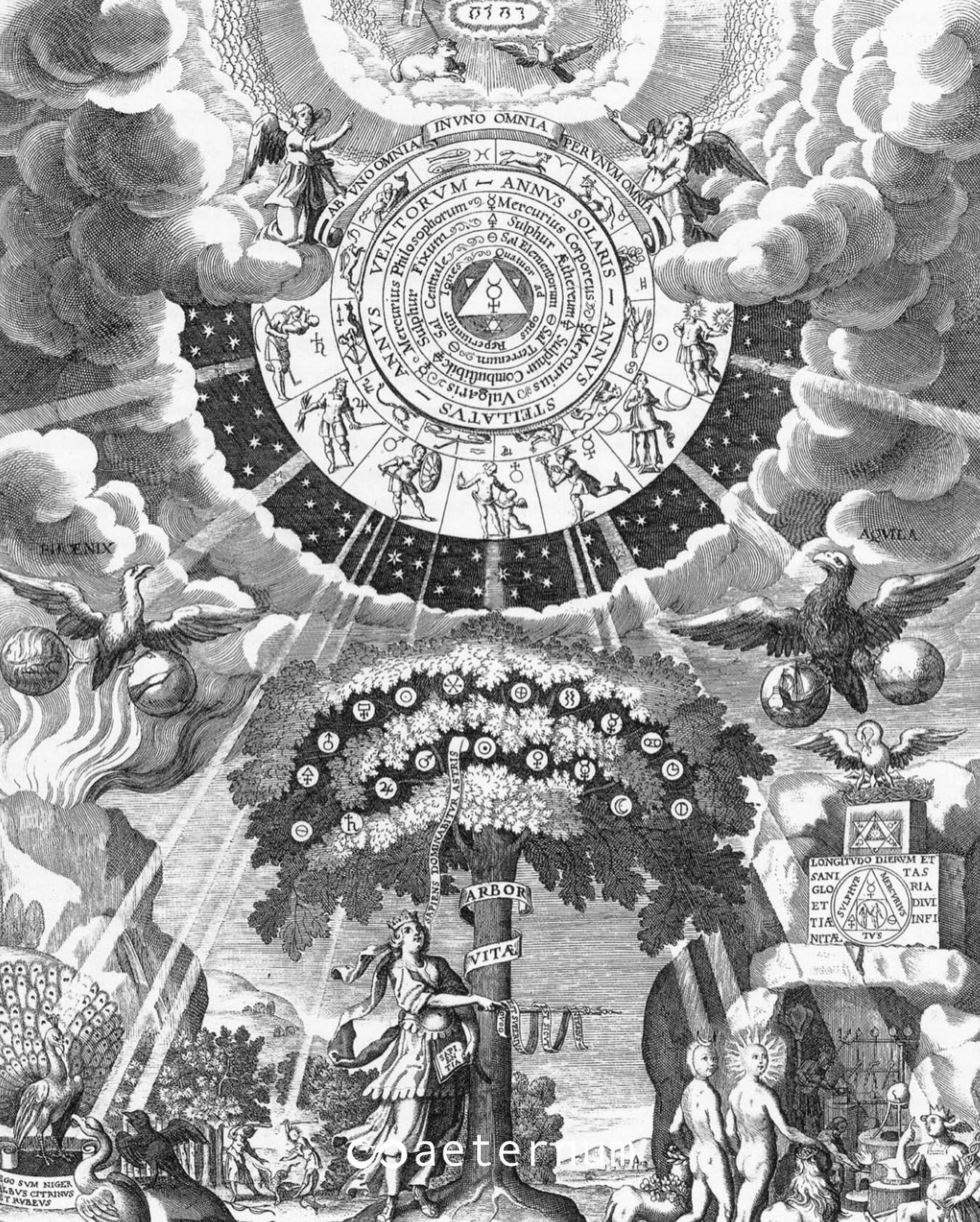
The Mandrake root enters manuscripts in human form. It screams when pulled from the ground, kills whoever hears it, and forces the gatherer to delegate the ordeal to a dog. Once possessed, it becomes an oracle, a household guardian, a love charm, and a promise of wealth. Few plants have produced such a vast magical imaginary.
From biblical texts to Greek and Latin herbals, from medieval manuscripts to Arab-Islamic magical traditions, the Mandrake moves between fertility, sleep, poison, and talisman. Roots shaped and sold as small figures further amplified its reputation.
The plant contains tropane alkaloids capable of causing severe anticholinergic syndrome. The product or collection fragment remains closed, labeled, and separate from any preparation. The proposed practice is based on the container, the image, and care given to provenance.
The Root That Takes Human Form
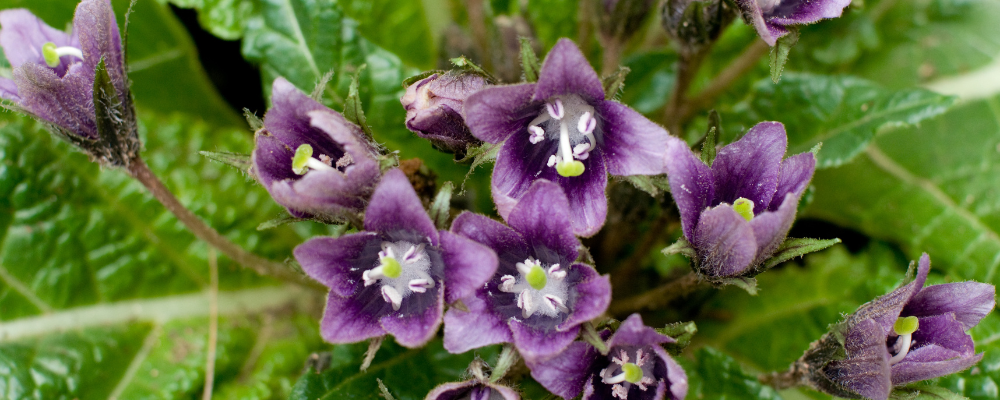
Mandragora officinarum L. belongs to the Solanaceae family. A rosette of large leaves develops close to the ground, followed by purplish flowers and then yellow fruits. The thick root can divide into two branches, suggesting a torso with legs.
Kew recognizes Mandragora officinarum and places its native range from northern Italy to the northwestern Balkans, with the Levant included in the distribution data. The genus also includes Mandragora autumnalis and other species. Kew, Mandragora officinarum.
The human resemblance is not apparent in every root. Merchants also carved white bryony roots to make false Mandrakes. The magical object can therefore be natural, interpreted, or sculpted.
Rachel and Leah’s Mandrakes
In Genesis, Reuben finds dudaim during the wheat harvest and brings them to his mother Leah. Rachel, who desires a child, asks for these plants and negotiates with her sister. The identification of the dudaim with the Mandrake has shaped the European reading of the passage.
The fragrant fruit and the context of rivalry between the two women connected the plant with fertility, desire, and exchange. The Mandrake does not appear there as an isolated object: it circulates within a family negotiation where motherhood, alliance, and jealousy intersect.
Folkard follows this identification and connects the biblical passage to the plant’s Eastern reputation as an aid to fertility and an ingredient in love potions. Richard Folkard, “Mandrake”.
The Scream, the Dog, and the Circles
The medieval harvesting account requires the root to be cleared, tied to a dog, and then the animal provoked so that it pulls it out. A horn covers the deadly scream, and the harvester protects their ears. Other versions prescribe three circles drawn with a sword, a precise orientation, and a prayer.
The British Library shows this device in several herbals, including manuscripts from the 11th, 12th, and 15th centuries. The dog and the horn are therefore not a recent addition to the imagery. British Library, manuscripts depicting the harvesting of Mandrake.
The rite dramatizes the price of knowledge: someone must receive the danger associated with the extraction. Read today, it raises an ethical question about the sacrifice of the animal and the desire to possess.
The root that refuses to be uprooted. The scream gives the plant a voice. The legend transforms harvesting into a negotiation with a presence that does not want to be taken.
Alraunes, Hands of Glory, and Arab Magic
In Germany, anthropomorphic roots called Alraunen were dressed, kept in boxes, and consulted as oracles. They were believed to attract good luck, protect the home, reveal treasure, or multiply the money entrusted to their care.
In France, the name hand of glory or hand of glory may have become associated with fed and tended Mandrake figures. These objects required an ongoing relationship: clothing, bathing, symbolic nourishment, and secrecy regarding their place of safekeeping.
Research into Arabic sources from the 10th to the 17th century also reveals uses of Mandrake in sīmiyāʾ, natural or white magic, in the form of amulets, talismans, and other preparations. Lozano-Cámara, Mandrake and sīmiyāʾ. Their presence confirms an exchange between Greco-Roman, Eastern, Arab, and Christian traditions.
Keep the root without exposing it
Keep every Mandrake fragment in its original closed container, with its botanical name, supplier, and acquisition date. Place an image of a medieval box or a reproduction of a manuscript under the container. The vessel becomes the object's home, without direct contact.
Write a question on a piece of paper, fold it three times, then place it under the box overnight. In the morning, write your answer after reading a historical source. The oracle comes from the work of thinking and the relationship with the text, not from ingestion or smoke.
To evoke the cry, tie a string around a drawing of a human root. Untie it while naming what you accept leaving on the ground. This gesture reverses the story of capture and acknowledges the right not to possess.
Historical correspondences
| Reference | Correspondence |
|---|---|
| Botanical name | Mandragora officinarum L. |
| Texts and contexts | Genesis, Greek and Latin herbals, medieval manuscripts, Arab sources |
| Figures | Rachel and Leah, extracting dog, Alraune, hand of glory |
| Objects | Anthropomorphic root, box, miniature garment, horn, and circle |
| Magical domains | Fertility, love, oracle, domestic protection, luck, and treasure |
| Safe form | Sealed fragment, image, drawing, and written work |