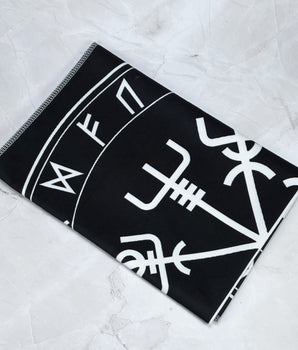
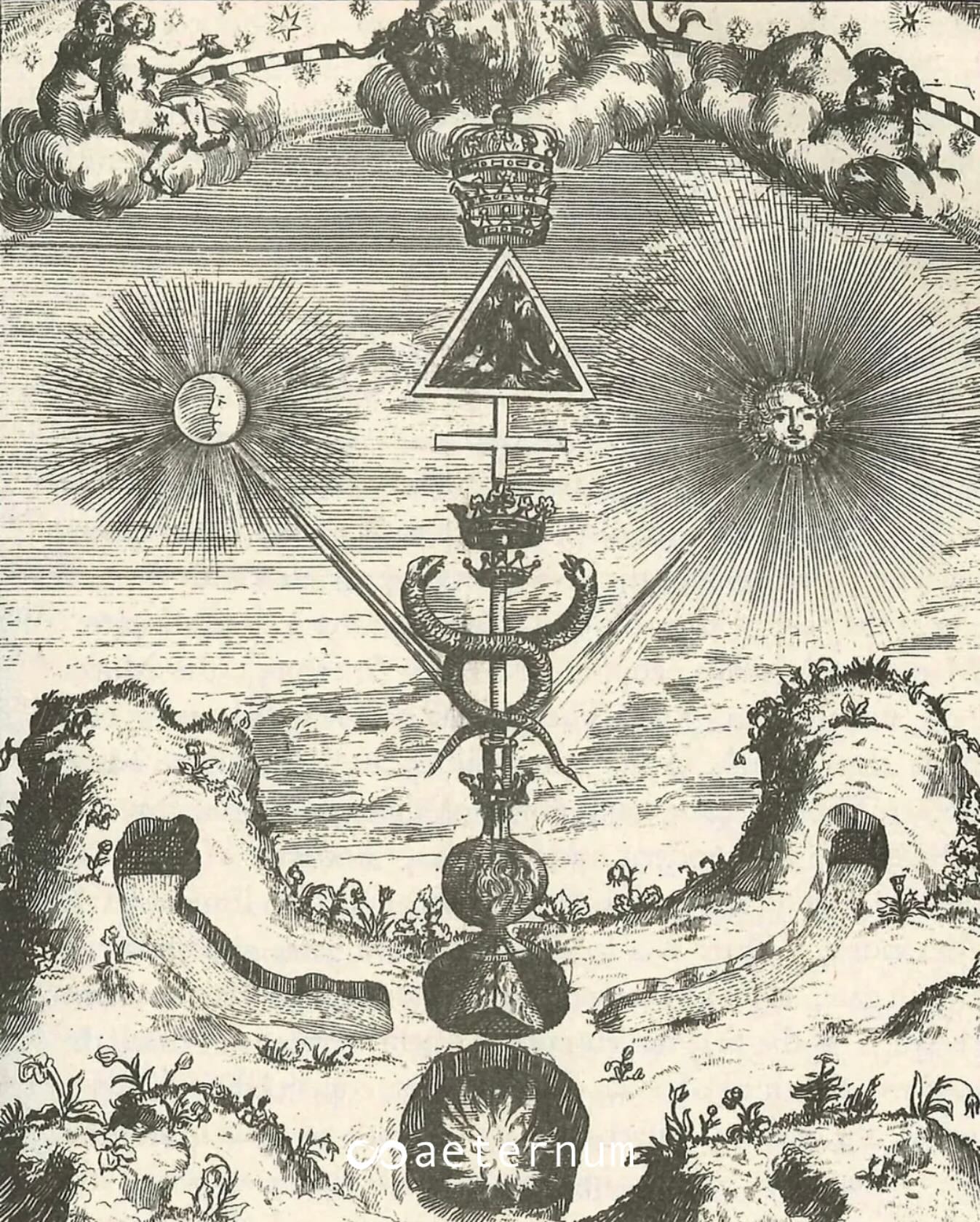
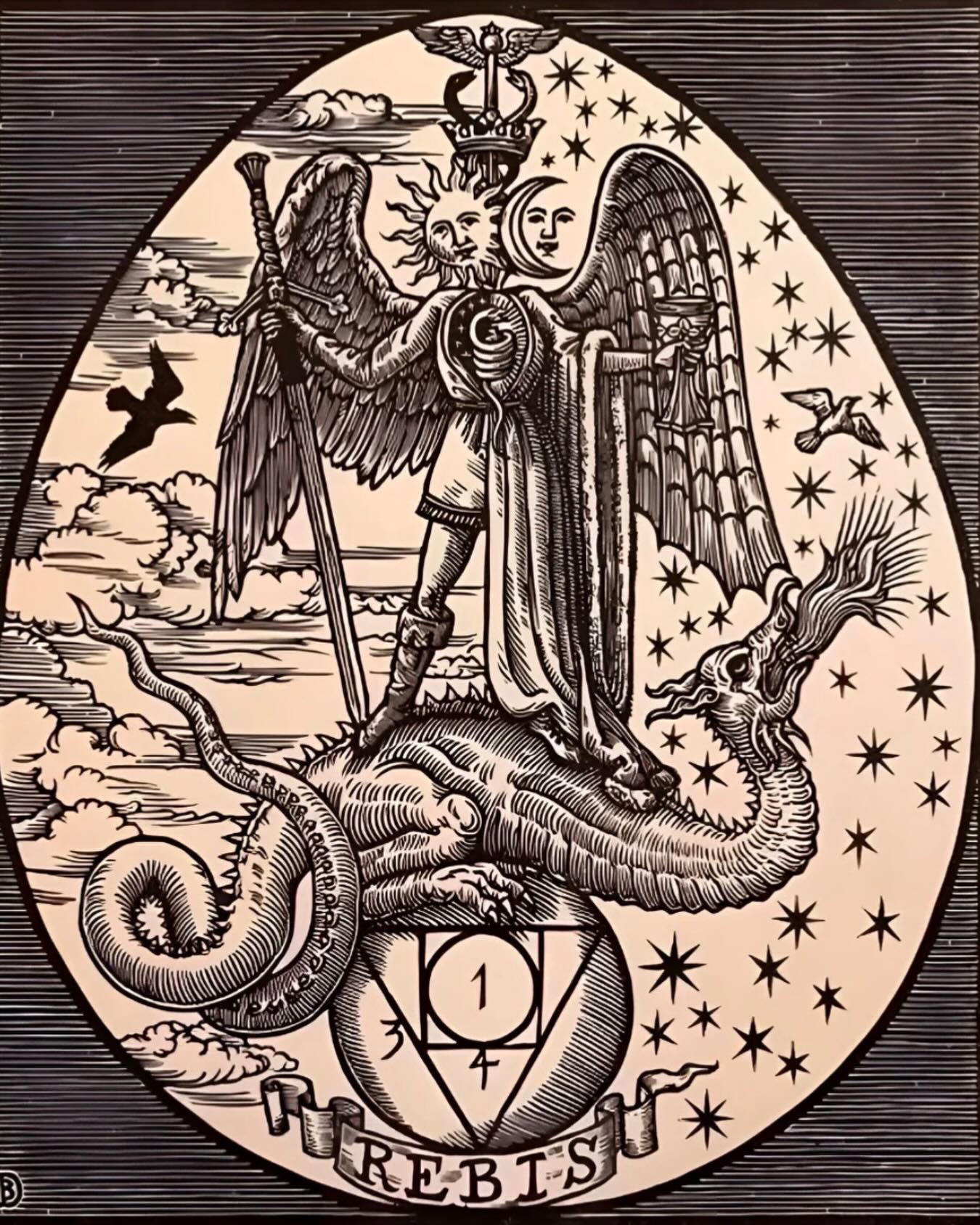
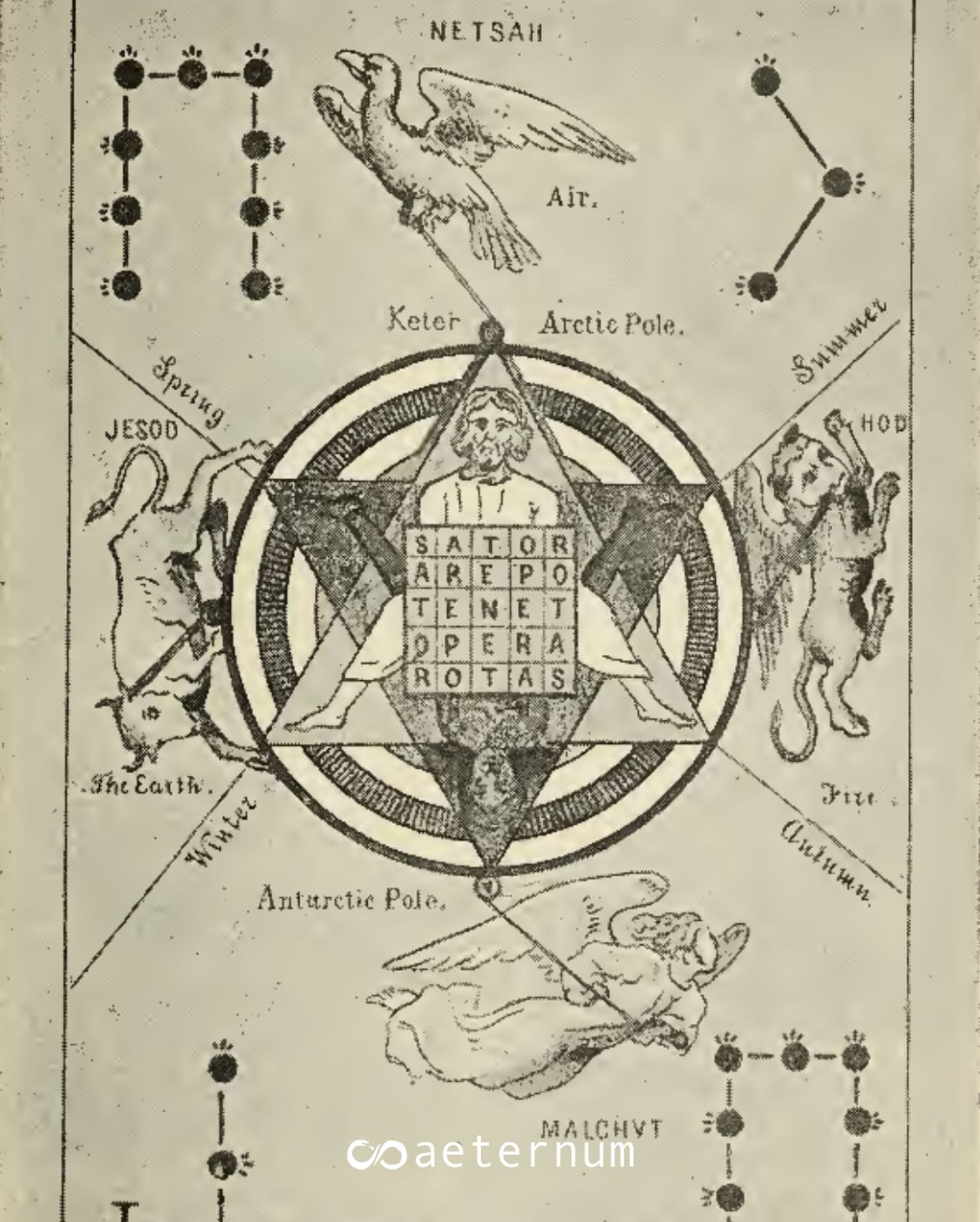
Build your altar around the practice you want to establish there. Cloths, altar boards, small altars, incense holders, ribbons, and other accessories help structure a space for magic, divination, or devotion.
For a general magical altar, start with a stable surface and a central cloth or board. Then add the tools you actually use: candle, incense, chalice, athame, talisman, or stone.
For divination, plan for more space for cards, runes, cowrie shells, or the crystal ball. The divination accessories complement this arrangement.
For a prayer altar, novenas, medals, rosaries, religious incense, and holy water help create a coherent space without overcrowding it. The guide How to Create a Magical Altar at Home? offers a simple starting point.
Ritual altars: compose the space before buying the objects.
Altar cloth, board, small altar, incense holder, and accessories: start with the available surface and the practice you wish to set up there. An altar for magic, divination, or devotion does not require the same arrangement.
A few well-chosen items are enough. Leave room to handle the cards, light a candle, or place the tools without cluttering the space.
Boxes and chests play an essential role in magic, providing a dedicated space for storing and protecting ritual tools and materials. They keep magical objects safe and shielded from outside influences when not in use. By storing herbs, crystals, amulets, scrolls, and other magical accessories in boxes or chests, practitioners ensure that these objects retain their energy and power. In addition, these containers can be chosen or decorated according to specific intentions, adding an extra layer of personalization and magic to the workspace.
Beyond their simple storage function, boxes and chests also have a symbolic and ritual dimension. They can be used in ceremonies to hold sacred objects or to symbolically contain energies or intentions. For example, a box dedicated to healing may contain medicinal herbs and healing crystals, while a protective chest may hold talismans and amulets to ward off negative influences. During rituals, opening and closing these containers becomes a powerful symbolic act, marking the beginning and end of magical workings. By incorporating boxes and chests into their practice, magicians and witches add a dimension of organization, protection, and symbolism to their art, thereby enhancing the effectiveness and depth of their rituals.
Connect with your deity
Statues of deities (or creatures) play a symbolic role in magical and spiritual practice by serving as focal points for devotion and meditation. They represent physical embodiments of deities, allowing practitioners to connect more deeply with the divine energies and spiritual forces they symbolize. By incorporating these statues into an altar or sacred space, one invites the deity's attributes and blessings into daily life. For example, a statue of the goddess of wisdom may be used to attract mental clarity and inspiration, while a statue of a god of war may bring protection and courage. These sacred objects serve as tangible reminders of the presence and influence of the deities, thereby strengthening the practitioner's faith and concentration.
Beyond their symbolic role, statues of deities also play a functional role in magical rituals and ceremonies. They can be used as focal points for invocations and prayers, helping to channel the deity's specific energies toward the practitioner or the ritual's intention. Offerings such as flowers, incense, or food may be placed before the statues to honor the deities and request their assistance or blessing. By meditating before a statue of a deity, practitioners may also receive visions, messages, or insights, thereby deepening their spiritual connection. In short, statues of deities are not merely objects of veneration, but active tools that enrich and support magical and spiritual practice on multiple levels.
Small altar or plaque: create a focal point
A plaque or small altar immediately structures the space without requiring a large table. Check the dimensions against the objects you want to place on it.
Selection, function, dimensions, and use: useful answers before ordering.
How to create a magical altar at home?
Choose a stable surface, define the practice or intention, then add only the tools actually used.
Do you need a lot of items?
No. A simple altar is easier to use and maintain. The Aeternum guide explains how to work with few elements.
What altar size should I choose?
Measure the available space and allow a clear area for handling objects or performing the ritual gestures.
Altar cloth or altar mat?
The cloth defines the surface with little volume; the plate creates a more rigid central point.
Can an altar be used for divination?
Yes, as long as you leave enough space for the cards, runes, cowrie shells, or pendulum.
How are orders prepared?
Our team prepares the instruments available from France and protects fragile items during transport. The information specific to each product remains visible on its page and in the order tracking.
How to choose the dimensions?
Compare the measurements indicated on the product page with the available space on your altar and how you plan to handle the object.
How can I ask a question before purchasing?
Use Contact us with the reference link and the detail to verify: size, material, contents, weight, or compatibility with your altar.
— Build a useful altar
.
Creation, simplicity, and purification: three guides for organizing a truly practical space.
Aeternum is first and foremost a small, passionate French team that selects, packs, and ships more than 2,500 items dedicated to spiritual paths from around the world. Far from clichés, we value traditional practices and source our products as close as possible to local communities, offering ritualized, charged, and authentic products. We ship everywhere in France, Belgium, Switzerland, Luxembourg, Monaco, Réunion, French Guiana, Guadeloupe, Martinique, Mayotte, Saint Barthélemy, Saint Martin, New Caledonia, Italy, Spain, Portugal, Germany, the Netherlands, Canada, and the United States within 24 to 48 hours, and we remain available to answer your questions, whether you are preparing an altar, purifying a space, or simply looking for the right product. Our commitment is simple: to offer sincere, meaningful objects and support you with kindness on your own path. Whether out of curiosity or conviction, come and discover our esoteric bookshop, our incense, our ritual candles, our crystals, or our magical apothecary!