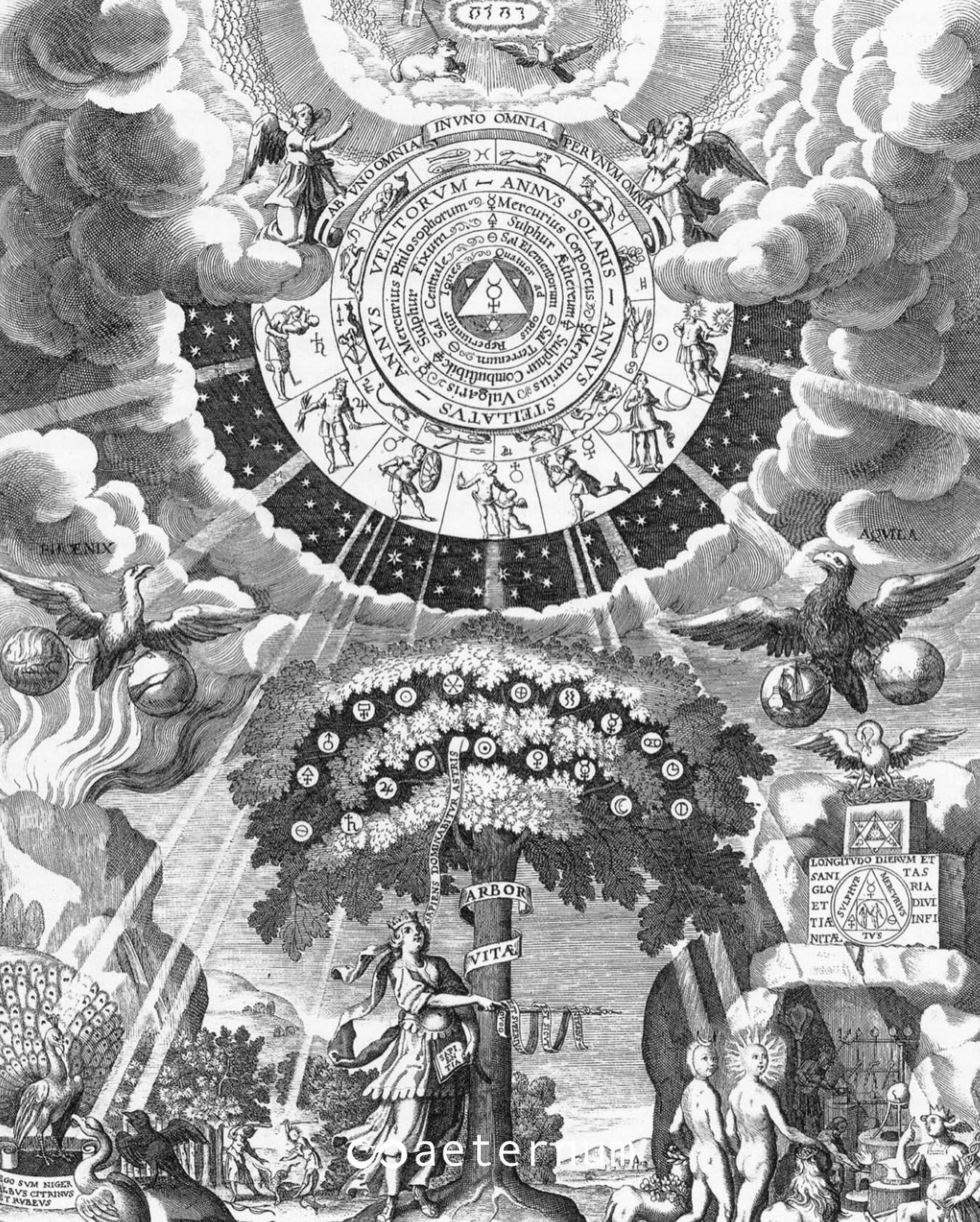
Medieval Tarots
Discover medieval tarot decks, whose imagery draws on illuminated manuscripts, courts, knights, bestiaries, saints, and legends from the Middle Ages. These decks use this imagery to give the arcana a historical or legendary atmosphere.
Tarot as we know it did not originate in the early Middle Ages; these editions are modern reinterpretations. Some follow the Rider-Waite-Smith, while others are closer to the Tarot de Marseille. Check the structure, language, and guidebook for each listing.
The collectible tarot decks bring together other decks distinguished by their graphic or historical craftsmanship. Also explore All Tarots and divination books.
Filter and sort
3 products


Choose a medieval tarot deck by distinguishing historical iconography from modern tarot.
Medieval tarot decks use illuminated manuscripts, knights, courts, bestiaries, saints, and legends to give the arcana a historical atmosphere. However, tarot as we know it appeared after much of the Middle Ages: these sets are modern reinterpretations, not medieval decks passed down unchanged.
When choosing, check the system, the number of cards, the language, and the graphic source indicated by the publisher.
To continue your selection
Origin of tarot Marseille Tarot decks Collector's Tarot Divination books
Authentic illumination or medieval aesthetic?
Some games cite manuscripts or ancient works; others recreate an imaginary Middle Ages. Consult the publisher's description to distinguish reproduction, inspiration, and original creation.
This difference is of particular interest to collectors and readers who are sensitive to historical context.

Tarot did not originate in the early Middle Ages.
The first documented tarot cards date back to Renaissance Europe. Medieval iconography can therefore be entirely artistically coherent without constituting the historical origin of tarot.
Our article on the origin of divinatory tarot provides the necessary context.

Marseille or Rider-Waite back design
The deck may follow the Tarot de Marseille, Rider-Waite-Smith, or an adaptation. Examine the minors, the names of the majors, and the structure before choosing a compatible book.
Historical setting does not replace the cartomancy system.

Collect or use the deck
The details of an illustration inspired by manuscripts may be more visible in a large format. For regular readings, also check how easy the cards are to shuffle and the sturdiness of the box.
Collector's tarot decks also allow you to compare other editions of graphic or historical interest.
Frequently asked questions about medieval tarot cards
System, iconography, format, and learning: the answers before choosing.
Do medieval tarot cards date back to the Middle Ages?
The decks sold today are modern. Historical tarot appeared in Europe during the Renaissance; medieval aesthetics are a source of inspiration.
Why use illuminated artwork in a tarot deck?
They give the deck a historical and symbolic visual language, which the author adapts to the functions of the cards.
Do these decks follow the Tarot de Marseille?
Some do; others follow the Rider-Waite-Smith system or their own system. Check the structure.
Are they suitable for beginners?
Yes, as long as the images remain legible and the booklet clearly explains the correspondences.
How can I tell whether the images are historical?
Check the credits, publisher, and sources mentioned. An antique aesthetic does not automatically mean a reproduction of a manuscript.
Which book should be paired with the deck?
First choose a book compatible with the tarot system, then supplement it with a historical reading if the context interests you.
Is a larger size preferable?
It makes it easier to observe the details, but requires more space. For frequent readings, mixing comfort also matters.
Are the Medieval Tarot and the Tarot de Marseille identical?
No. “Medieval” describes the visual style here; Marseille refers to a specific historical and iconographic tradition.
How are medieval tarot orders prepared?
Our team prepares and ships orders from France. Check the availability and contents of the selected edition. Shipments are sent in discreet packages.
Where can I find the shipping costs for a medieval tarot deck?
The Shipping Methods page presents the general terms. The options and fees corresponding to your address and cart appear at checkout.
How long should I expect to wait to receive a medieval tarot deck?
The timeframe depends on availability, preparation, and the chosen shipping method. Check the information in your cart, then track your order after it ships.
How can I ask a question about a medieval tarot deck before purchasing?
Send the box set link through Contact us and specify what you would like to verify: language, dimensions, number of cards, system, or box contents.
— Ancient images and the history of tarot .
Place the medieval reinterpretations back into the actual chronology of the cards.