

























































































































































































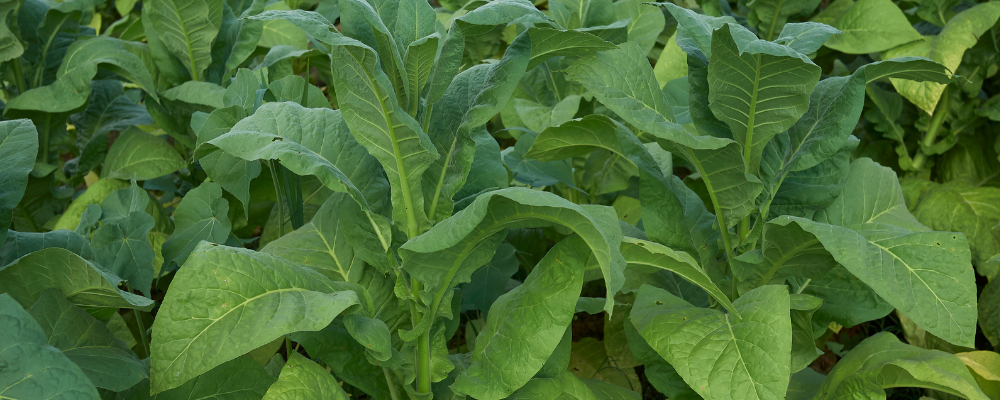
In a garden, the word tobacco may refer to the tall plant with broad leaves, a white-flowered species grown for its fragrance, or Rustica Tobacco with yellow flowers. Behind these similar silhouettes lie very different histories: Indigenous ceremony, colonial cultivation, global trade, and horticultural ornament. A magical entry therefore begins with a simple question: which Nicotiana is actually in the packet?
The current entry concerns Nicotiana tabacum L., a cultivated species originating in the Americas. The name “Garden Tobacco” remains ambiguous, as garden centers also offer Nicotiana alata, Nicotiana sylvestris, and ornamental hybrids.
Tobacco holds a major religious place in many Indigenous nations, but these uses do not constitute a pan-American ceremony accessible to everyone. The proposed practice studies identity and historical circulation without smoking, ingestion, plant offerings, or handling the leaves.
Distinguishing garden Nicotiana
Nicotiana tabacum belongs to the Solanaceae family, which includes Belladonna, Mandrake, tomato, and potato. The annual plant produces a sturdy stem, large alternate sticky leaves, and then pink or red tubular flowers clustered at the top.
Kew considers the species native to Bolivia and the result of a history of domestication. Its cultivation spread it throughout the world. Kew, Nicotiana tabacum.
Nicotiana rustica, Rustica Tobacco, bears greenish-yellow flowers and contains a concentration of nicotine that may exceed that of N. tabacum. Nicotiana alata, Winged Tobacco or Ornamental Tobacco, produces pale, fragrant flowers. The garden name does not make it possible to distinguish between them.
A dried leaf without flowers and with no source information offers few reliable identifying features. The label should specify the species, the plant part, the country of cultivation, and the absence of pesticide treatment. Nicotine remains present in fresh or dried leaves and can pass through the skin.
A ceremonial plant of the Americas
The peoples of the Americas cultivated several Nicotiana species long before the arrival of Europeans. Leaves, smoke, powder, and juice became part of diplomacy, healing, offerings, and communication with spiritual powers. Practices, authorized individuals, and meanings differ from one nation to another.
In Guatemala, residue analysis of vessels from Cotzumalhuapa identified tobacco markers in a ritual archaeological context. Archaeological study of the ritual use of tobacco at Cotzumalhuapa.
This evidence concerns a specific place, period, and set of objects. It does not turn every tobacco leaf into an interchangeable offering. The ceremonial relationship belongs to the communities that have passed it down and may remain subject to rules of kinship, language, and protocol.
Sacred Tobacco and Nicotiana rustica
Among several North American nations, the ceremonial cultivated tobacco is Nicotiana rustica. The Virginia Museum of Natural History presents this species as Sacred Tobacco and reminds readers that its history is not the same as that of commercial cigarettes. Virginia Museum of Natural History, Sacred Tobacco.
The seeds, care given to the garden, and harvest may all be part of the ritual relationship. The plant offered is not merely a substance: it comes from a cycle of cultivation, responsibility, and connection between people.
The sacred name denotes a relationship. It does not automatically become the property of every leaf sold under the word tobacco.
This distinction protects two histories at once: that of Indigenous ceremonies and that of Nicotiana tabacum, cultivated on a large scale for a market that transformed the plant into an addictive commodity.
From medical curiosity to colonial commodity
In the 16th century, tobacco reached European courts and gardens. Jean Nicot, the French ambassador to Portugal, contributed to its medicinal reputation; his name would be given to the genus Nicotiana and later to nicotine.
European accounts describe a new plant using the vocabulary of the panacea, poison, and exotic curiosity. Tobacco therefore does not belong to European medieval grimoires. It entered magical and medical literature after the conquest of the Americas.
Colonial plantation farming then changed the scale of the material. Forced labor, slavery, taxation, and mass consumption reorganized tobacco around profit. An honest magical reading keeps this history alongside ceremonial narratives, without making commercial smoke the direct heir of Indigenous rites.
The mystery of Garden Tobacco lies in this gap: a plant may be kin, offering, and speech within one community, then become a tax drug and industrial object in another economy.
Establishing an identity card without an offering
On a sheet of paper, draw three boxes labeled Nicotiana tabacum, Nicotiana rustica, and Nicotiana alata. Under each, note the usual flower color and the main context: commercial cultivation, ceremonial tobacco among some nations, ornamental plant.
Place the sealed product beside the box that matches its label. If the botanical name is missing, write “identity to be confirmed” and contact the supplier. Do not assign any ritual function before this verification.
Add a map of the Americas and the name of the historical source studied to the file. This gesture makes the species, territory, and circulation visible. It involves no smoke, leaf deposit, ingestion, or imitation of an Indigenous prayer.
Historical correspondences
| Reference point | Correspondence |
|---|---|
| Species covered by the sheet | Nicotiana tabacum L. |
| Species to distinguish | Nicotiana rustica L., rustic or sacred tobacco |
| Related ornamental species | Nicotiana alata Link & Otto |
| Historical reference | Uses in the Americas before the 16th century |
| Magical significance | Situated ceremonial relationship, offering, and speech |
| Safe form | Botanical card, historical file, and sealed product |