


Laurel keeps its leaves in winter, releases its fragrance when crushed, and forms a crown that does not wilt within a few hours. At Delphi, it belongs to Apollo; in Ovid, Daphne becomes the tree the god will wear in his hair and on victorious weapons. Books on natural magic place it among solar plants. Its power speaks of prophetic speech, measured victory, and a renown that entails responsibility.
The plant in this guide is Laurus nobilis L., Bay Laurel or Sweet Bay. The word “laurel” also appears in the names of Oleander, Nerium oleander, and Cherry Laurel, Prunus laurocerasus, two highly poisonous plants that do not belong to the same family. The Latin label helps prevent a serious confusion here.
The European magical Laurel does not come from an isolated correspondence. It brings together Apollo’s sanctuary, the story of Daphne, victory crowns, and the solar classifications of the Renaissance. This guide follows that continuity, then turns the crown into an examination of responsibility.
Identifying Laurus nobilis
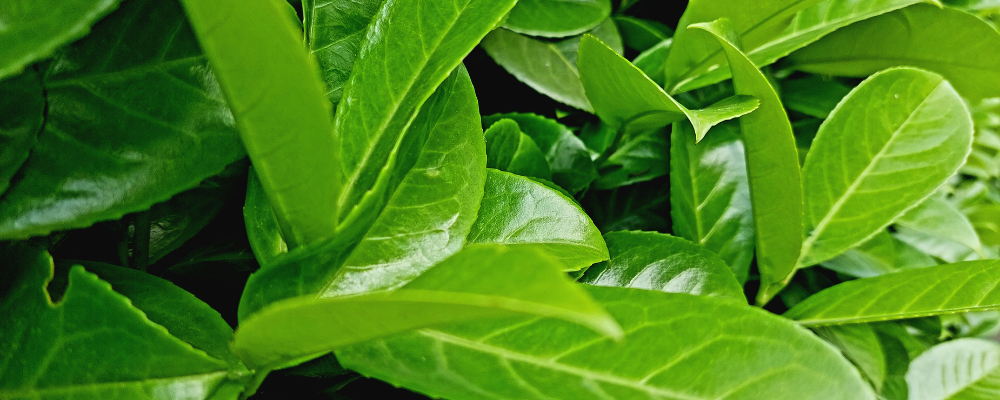
Laurus nobilis belongs to the Lauraceae family. This evergreen shrub or small tree bears alternate, leathery, lance-shaped, aromatic leaves. Pale flowers appear in small clusters, and female plants may then bear black berries.
Kew places its native range from the Mediterranean to southwestern Germany. The plant grows in woodlands and shrubland, and cultivation later spread it into gardens and kitchens. Kew, Laurus nobilis.
The leaf withstands drying, retains its shape, and remains fragrant. These qualities explain its place in crowns: the branches bend, can be tied, and remain recognizable longer than delicate flowers.
The word nobilis means noble or renowned. The botanical name connects with the social history of the crown, but the tree does not confer rank. It provides the material for a sign the community recognizes.
Daphne Becomes Laurel
In Ovid’s Metamorphoses, Apollo pursues the nymph Daphne despite her refusal. When she reaches the banks of the Peneus River, she asks her father to transform her beauty. Her body becomes a trunk, her hair foliage, and her feet roots.
Apollo still embraces the tree, then declares that Laurel will belong to him. He will wear it in his hair, around his lyre and quiver; Roman leaders will receive its branches at their triumph. Ovid, Metamorphoses, Book I.
The crown is born from a refusal that the god does not respect. The victory narrative therefore retains a tension: Apollo’s emblem comes from a woman who chooses transformation to escape his pursuit.
This reading changes the magic of success. A victory obtained against another person’s consent does not deserve the crown. Laurel asks us to look at the price, the absent voice, and the boundary crossed.
Apollo, Delphi, and the Word
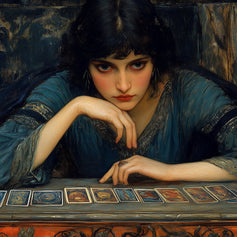
At Delphi, Laurel belongs to Apollo’s sanctuary. Accounts and images show the prophetess, the god, or the consultants near its branches. The plant connects the oracular word to purification and the authority of the place.
The branch does not produce an answer by itself. The oracle depends on a sanctuary, a calendar, priests, a formulated question, and an interpretation. The leaf becomes the visible sign of this system.
The mystery of Laurel lies in the word that must be heard without being simplified. Greek oracles take a brief form and may require interpretive work. Even a prestigious answer remains dangerous when bent to the consultant’s desire.
In the grimoire, the prophetic realm becomes an art of questioning. Before seeking an answer, write down what would change your decision and what would not. This distinction reveals whether the consultation remains open or merely seeks approval.
Agrippa’s Solar Laurel
In the 16th century, Henry Cornelius Agrippa classified Laurel among the plants consecrated to the Sun and Phoebus. In another chapter, he recommends Laurel leaves for wrapping materials said to be solar. He also includes it in a fumigation with saffron, cloves, myrrh, and incense.
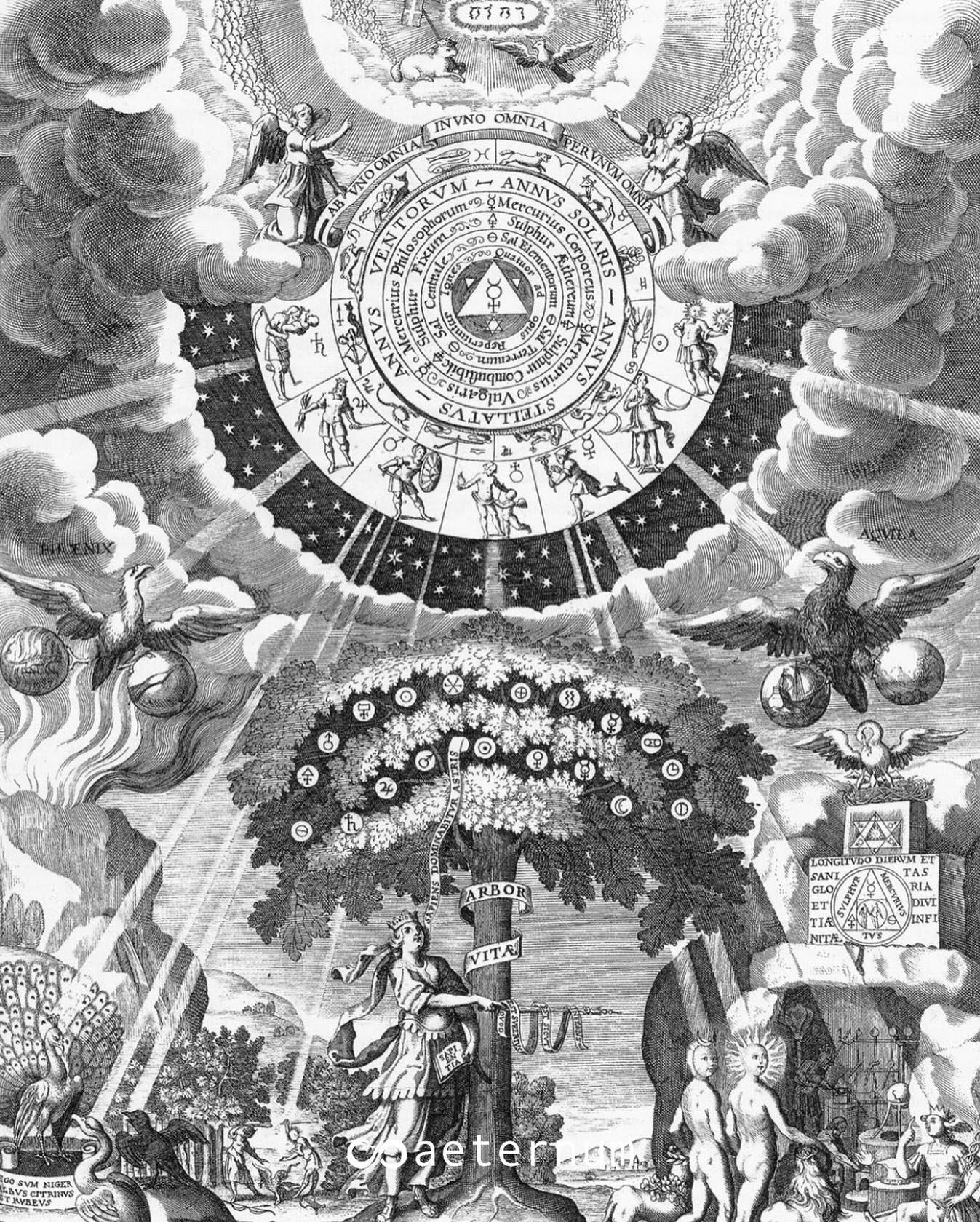
These passages belong to the learned natural and astrological magic of the Renaissance. Agrippa, Occult Philosophy, Book I, Chapter 23.
The solar correspondence is based on Apollo, the crown, the persistence of the foliage, and public reputation. It is suitable for visibility, displayed work, and recognition received.
Historical fumigations are not instructions for use. Dried laurel produces irritating smoke, and the mixtures described in the text contain materials that should not be burned in a household fire. Drawing a crown is sufficient to work with the same principle.
Earning the crown
Draw an open crown made up of seven leaves. On three leaves, write the actions that produced the result. On two others, write the people who contributed. On the sixth, note the actual cost. On the seventh, note the responsibility that begins after success.
Leave the opening of the crown visible. It reminds us that merit does not close the story. Then reread the story of Daphne in your own situation: check consent, credit-sharing, and respected boundaries.
Place the sealed product to the left of the page until the result is announced. After the announcement, thank the people listed and fulfill the responsibility of the seventh leaf. The laurel becomes a sign of high standards, not a shortcut to glory.
Historical correspondences
| Reference | Correspondence |
|---|---|
| Botanical name | Laurus nobilis L. |
| Family | Lauraceae |
| Divine figure | Apollo and the sanctuary of Delphi |
| Central narrative | Daphne’s transformation in Ovid |
| Magical domains | Oracle, victory, renown, consent, and responsibility |
| Safe form | Drawn crown and sealed product |