


Guaiac is a wood that sinks, polishes to a black finish, and bears the name “wood of life.” In the Caribbean, the Taíno carved it into seats of power and figures associated with ancestral beings. In Europe, its resin became a celebrated remedy for syphilis in the 16th century. Between ritual object, colonial trade, and promise of healing, guaiac demands an accurate history and impeccable provenance.
This entry focuses on Guaiacum officinale L., a tree of the Caribbean and the tropical coasts of the Americas. The name “guaiac” may also refer to Guaiacum sanctum, other species of the genus, their wood, or their resin. It should not be confused with Palo Santo, a name applied to several trees with no direct relationship.
The primary magical use here comes from preserved Taíno objects, not from a planet added afterward. The European reputation of lignum vitae illuminates a second, medical and colonial history. This entry holds these two worlds together without making European trade the origin of the wood’s sacred character.
The True lignum vitae
Guaiacum officinale belongs to the Zygophyllaceae family. The small evergreen tree bears opposite compound leaves with two pairs of leaflets, blue flowers with five petals, and yellow or orange capsules containing seeds surrounded by a red aril.
Kew places its native range from Florida and Panama to Venezuela, Peru, and the Caribbean. The species is classified as endangered by the IUCN and listed in CITES Appendix II. Kew, Guaiacum officinale.
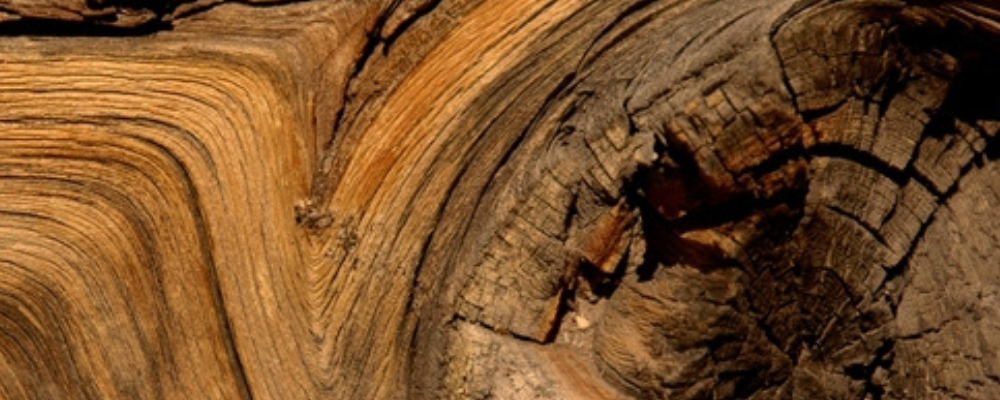
Its heartwood is extremely dense, resinous, and durable. It can be heavier than water. Polishing reveals a dark, lustrous surface, used for technical objects as well as high-status sculptures.
Density provides an initial indication of durability and authority. Yet it is not enough to tell the story of Guaiacum. Provenance, conservation status, and Caribbean uses must accompany every piece of wood presented under this name.
Taíno Seats of Power
The British Museum holds a duho, a Taíno ceremonial seat carved from Guaiacum officinale wood. The crouching male figure bears traces of adornment, while gold inlays once occupied the eyes and joints.
The museum explains that the hardness, durability, and darkness of guayacán were sought for major religious objects. Blackness referred to the night and the invisible realm of spirits. Chiefs and ritual specialists used these seats to act with the ancestral beings called cemís. British Museum, Taíno duho seat.
The seat gives authority a form: the body lowers itself onto a powerful figure to receive a place from which to speak and intercede. The wood is not merely a neutral material. Its color, polish, and resilience contribute to the object.
Guaiac wood carries power because it becomes seat, gaze, and articulation. The magic resides in the complete Taíno object, not in a chip isolated from its history.
Figures, Tears, and the Ancestral World
Another Taíno sculpture at the British Museum, also carved from guaiac wood, shows a rigid figure with exposed teeth and visible tears. The catalog connects this posture to ritual possession and the world of honored male dead.
The back reveals the vertebrae, while the polished surface brings the resin to the surface and gives the wood a black sheen. British Museum, Taíno figure in guaiac wood.
These objects do not provide a recipe to transpose. They attest to a relationship among matter, image, status, and spiritual practice in the Caribbean before and during the early colonial period. Their presence in a European museum also carries the history of the displacement of collections.
The mystery of guaiac lies in its ability to give sculpted bodies dark skin and to support an encounter with ancestral beings. Any current practice must begin with this memory and refuse to reduce the cemí to a decorative symbol.
The Wood of Life in 16th-Century Europe
After the arrival of Europeans in the Caribbean, guaiac wood was imported as a remedy for syphilis. Wood decoctions and resin entered treatises, household recipes, and a trade presented as that of a lignum vitae, the wood of life.
The Wellcome Collection preserves an early 17th-century German medical compendium that mentions Guaiac among New World materials used against syphilis. Wellcome Collection, domestic remedies book.
The European reputation associates it with warmth, sweating, purification of the body, and hope of healing. It belongs to premodern medicine and the colonial economy. It validates no current treatment and must not erase earlier Taíno uses.
In Western magic, the name “wood of life” can support workings of endurance and symbolic recovery. This interpretation must remain secondary to Caribbean objects and the conservation of the species.
Occupying a place with memory
Draw a low seat viewed from the front. On the seat, write the responsibility you accept. On each of the four points of support, note one condition: provenance, consent, memory, consequence.
Add two golden eyes to the drawing to represent what this place compels you to see. Write beneath the seat the name of the people or stories to which your decision must be accountable.
Place the closed product to the left of the drawing and check its origin label. If the provenance is missing, use only the image and do not replace Guaiac with wood sold under a similar name. The work involves no burning, ingestion, or dust.
Historical correspondences
| Reference point | Correspondence |
|---|---|
| Botanical name | Guaiacum officinale L. |
| Names | Guaiac, guayacán, and lignum vitae |
| Ritual framework | Taíno seats and figures |
| European history | Remedy for syphilis in the 16th century |
| Magical domains | Authority, memory, endurance, and responsibility |
| Safe form | Drawing, verified provenance, and closed product |