















































































































































































































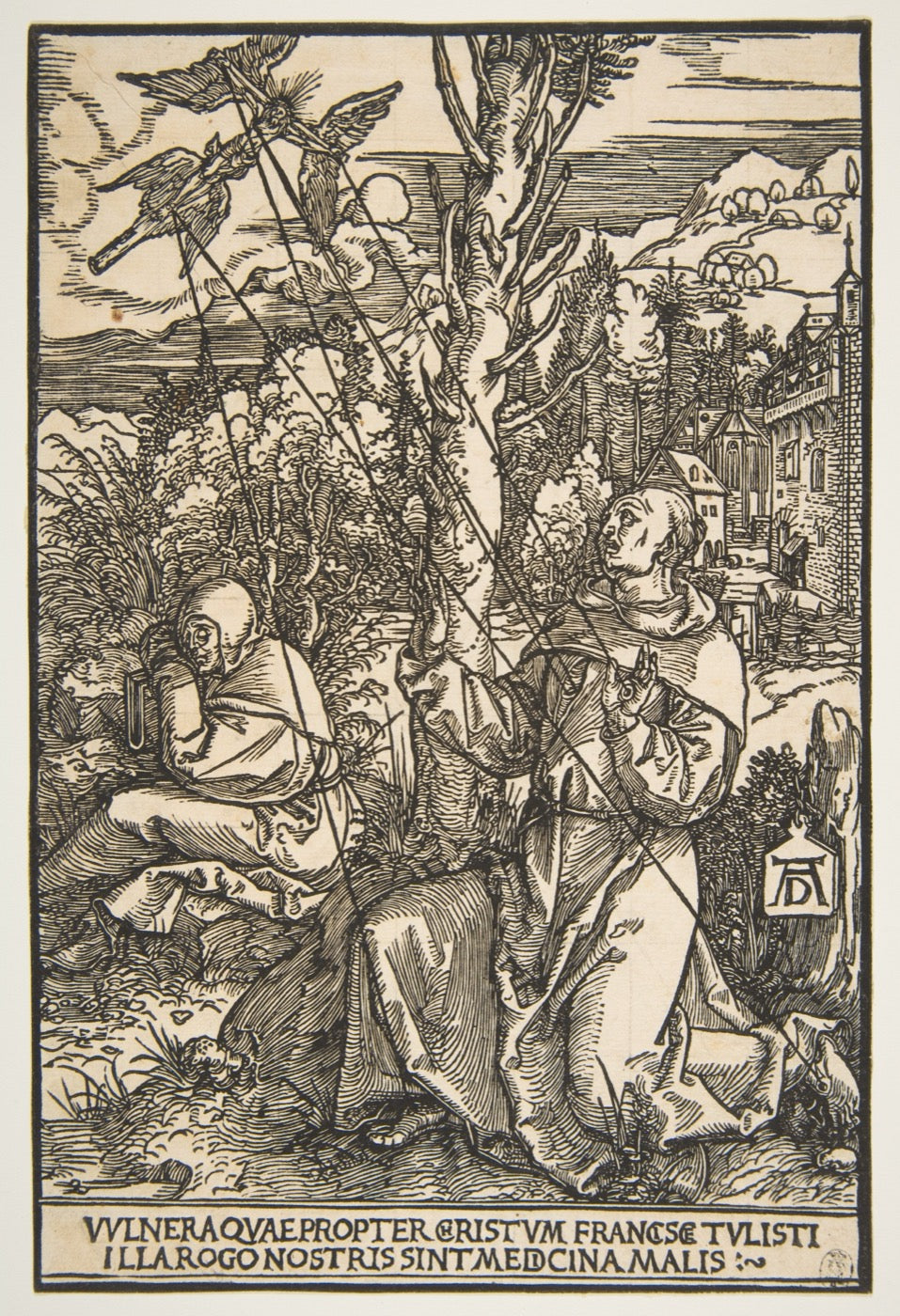
The major Christian religious families have developed different ways of living the Gospel. Some emphasize monastic stability, while others emphasize preaching, spiritual accompaniment, poverty, or educational and charitable service.
A diversity of vocations
Religious communities and spiritual schools seek to live the Gospel with different emphases. They do not constitute levels of power or perfection to be compared. A charism may prioritize contemplative prayer, fraternal life, teaching, preaching, care, or presence among people who are poor.
Some major families
The Benedictine tradition brings together prayer, work, reading, and community life under a rule. Franciscan families place particular emphasis on fraternity, evangelical poverty, and peace. The Dominican tradition combines study, community life, and preaching. Carmel deepens prayer and the relationship with God, particularly through the legacy of Teresa of Ávila and John of the Cross.
Discernment and mission
Ignatian spirituality, rooted in Ignatius of Loyola, develops discernment and attentiveness to the way one serves. The Spiritual Exercises are a guided journey, not a personality test. The Salesian and Vincentian traditions, along with many apostolic congregations, each have their own texts, works, and history.
Do not confuse the different statuses
An order or congregation is an institutional reality; a spirituality can be lived beyond its members. A third order or lay fraternity associates people with a tradition according to its own rules. Religious does not automatically mean priest, and consecrated life does not mean only cloistered life.
Choosing sources
To discover a family, read its rule, the writings of its prominent figures, and the introductions to its communities. Internal diversity and historical reforms deserve to be highlighted. A brief profile helps provide direction, but it does not replace experiencing a community or reading its foundational texts.
Benedictines, Franciscans, Dominicans, Carmelites, and Jesuits
The Rule of Saint Benedict shaped Western monastic history through its structure of prayer, reading, and work. The Franciscans are linked to the evangelical ideal of Francis and Clare of Assisi; the Dominicans developed a life of preaching and study. Carmel has a contemplative tradition renewed notably by Teresa of Ávila and John of the Cross. The Society of Jesus, founded by Ignatius of Loyola and his companions, places major emphasis on discernment, mission, and formation.
These families cannot be reduced to a founder and a date. They have undergone reforms, developed branches, and accumulated local histories that explain the diversity of their communities today. Their rules, constitutions, and founders’ writings are the best sources for understanding their choices, before the simplified images that portray them as mere styles of religious personality.










