















































































































































































































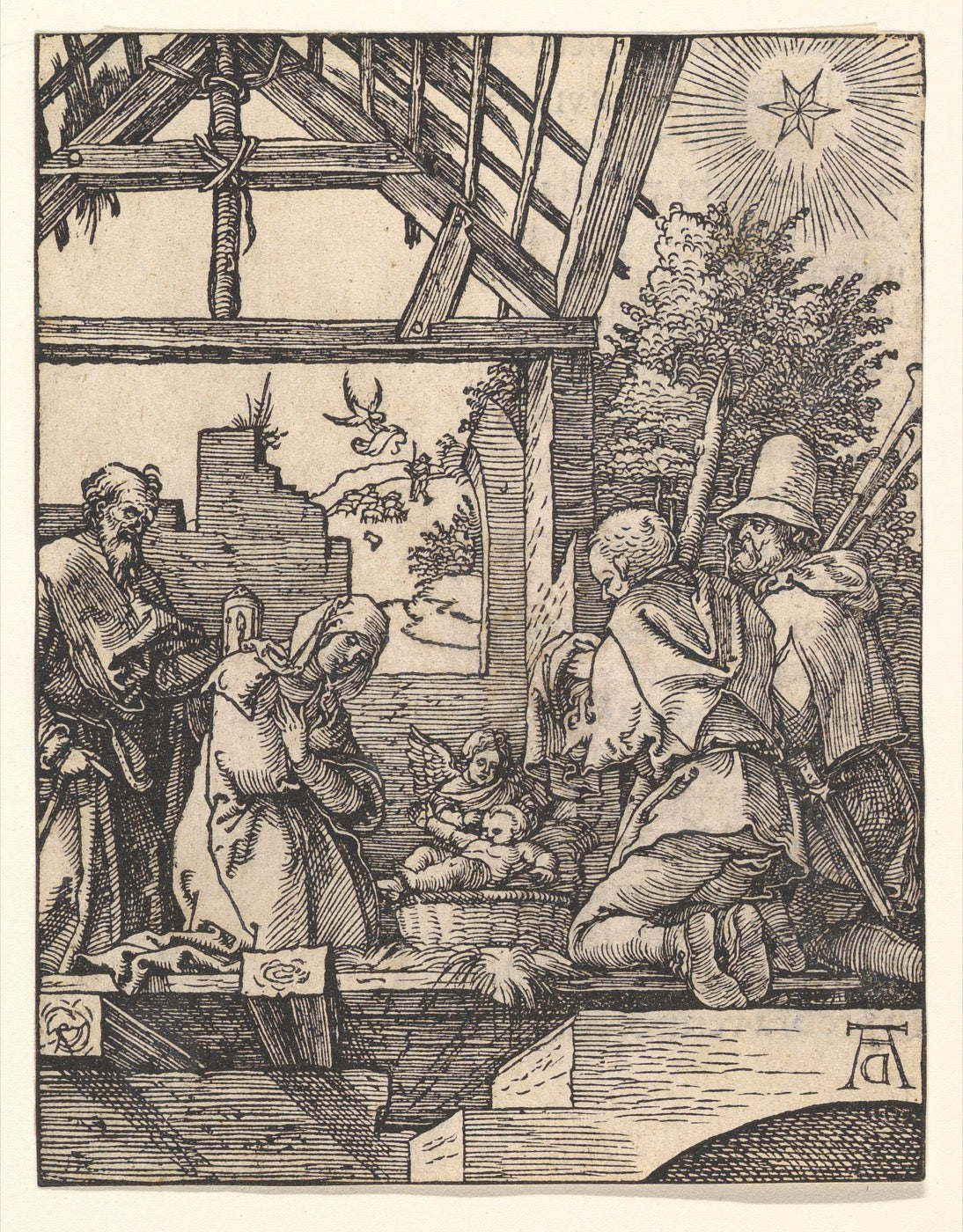
The liturgical year enables Christians to progressively celebrate the major stages of Christ's life and the Church's memory. It does not correspond to a calendar of independent feasts: its seasons relate to one another around Easter and Sunday.
Sunday and the Paschal Mystery
The liturgical year organizes the celebration of Christ's life. Sunday, the memorial of the Resurrection, is its fundamental rhythm. Easter is the center of the year; its movable date determines the dates of Lent, the Ascension, and Pentecost. Eastern calendars may celebrate Easter on a different date because of different calculation methods and calendar references.
The seasons of the year in the Roman Rite
Advent prepares for Christmas and the expectation of the Lord. The Christmas season celebrates the Incarnation and the manifestation of Christ. Lent leads to Easter through prayer, sharing, and conversion. The Paschal Triduum runs from the evening Mass of Holy Thursday to Evening Prayer on Easter Sunday. The Easter season lasts fifty days until Pentecost. Ordinary Time unfolds Christian life between these cycles; ordinary here means ordered, not unimportant.
Solemnity, feast, and memorial
These terms indicate degrees of celebration. A solemnity holds a particularly prominent place; a feast and a memorial follow their own liturgical rules. A memorial may be obligatory or optional. The general calendar is supplemented by national, diocesan, and religious calendars. A saint's feast day may therefore vary without a source necessarily being incorrect.
The colors
White is used especially for feasts of Christ outside the Passion and for saints who are not martyrs; red evokes the Passion, the Spirit, and martyrs. Violet primarily marks Advent and Lent; green marks Ordinary Time. Rose may be used on two specific Sundays. Funeral practices vary. These colors are liturgical signs, not spiritual frequencies or obligations for personal prayer.
Checking a celebration
For a specific date, consult the calendar for the year and place: priority Sundays, transfers, and proper feasts may alter the celebration. August 15 celebrates the Assumption, November 1 All Saints' Day, and November 2 the Commemoration of the Faithful Departed. These latter two days have different purposes.
How the Christian calendar is structured
Advent prepares for Christmas, then Lent leads to Holy Week and Easter. The fifty days of the Easter season end at Pentecost. Ordinary Time accompanies the rest of the year by gradually presenting the teachings and actions of Christ. Liturgical colors, biblical readings, and hymns convey these differences in tone. Every Sunday retains a central connection with the Resurrection.
The Roman calendar, monastic practices, Orthodox traditions, and the calendars of Churches that emerged from the Reformation do not coincide in every respect. The date of Easter and the feasts of the saints may vary. Understanding these distinctions prevents a local practice from being treated as a rule valid for all Christianity. The calendar is above all a way of following the memory of salvation in communal prayer.










