





















































































































Between clear crystal and the color of wine, Amethyst carries an ancient idea: remaining master of oneself when the senses, anger, or ambition cloud judgment. Its purple does not invite escape from the world, but rather keeping a clear awareness amid its seductions.
Its Greek name evokes the absence of drunkenness; ancient authors and lapidaries attributed virtues of sobriety, protection, and favor to it. Current systems extend this heritage through Jupiter, Saturn, Air, and Water.
To place this stone among related minerals, compare it with Quartz, Citrine, and Ametrine.
The Purple of Quartz
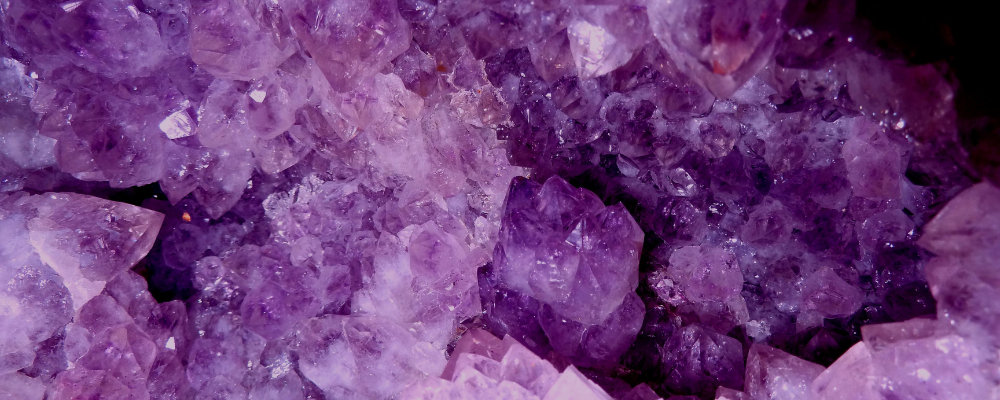
Amethyst is the purple variety of quartz, with the formula SiO2 and a hardness of 7. Its color arises from traces of iron, natural irradiation, and changes in the crystal structure. It can range from pale lilac to deep purple, with colored zones that tell the story of the crystal’s growth.
The Gemological Institute of America describes these mechanisms based on Moroccan crystals. The stone occurs in geodes, druses, and veins.
A name against drunkenness
The Greek amethystos means “not drunk.” The stone was thus associated with restraint before wine and, by extension, with control over surges of emotion. Its color itself seems to stop between clear water and the red of the drink: it approaches intoxication without surrendering to it.
Amethyst does not eliminate desire or emotion; symbolically, it helps bring them into balance. It is suited to decisions made under pressure and periods of chosen abstinence.
From Pliny to the lapidaries
In the 1st century, Pliny the Elder reported the Amethyst’s reputation against drunkenness and cited magical recipes attributed to magi. These accounts show what Roman antiquity said about the stone; they do not constitute a promise of a physical effect.
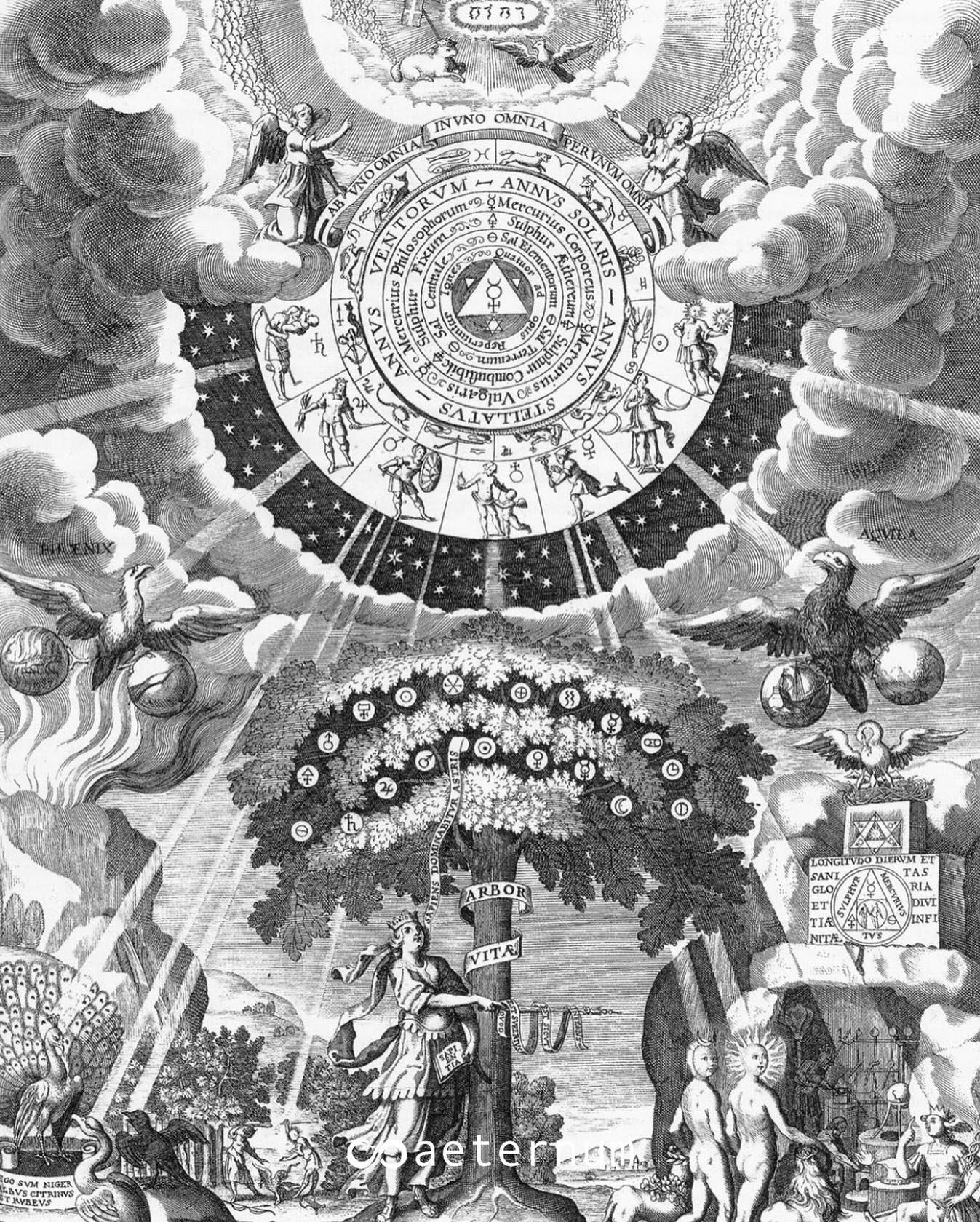
Medieval lapidaries associated gems with prayer, protection, and the order of the world. During the Renaissance, Henri-Corneille Agrippa integrated them into networks of planets, stars, and plants.
The legend of the young Amethyst transformed into stone is not a Greek myth preserved from antiquity. Its known form appears in the poet Rémy Belleau in 1576. Distinguishing it from the ancient etymology makes the stone’s story richer, as it reveals how each era added its own image.
Jupiter, Saturn, Air, and Water
Jupiter suits dignity, counsel, and rightful authority; Saturn restraint, silence, and boundaries. Air supports lucid thought, while Water receives twilight violet, dreams, and purification. These correspondences form a current practical synthesis based on the ancient theme of temperance.
Thursday is suitable for requests and study; Saturday for renunciations and boundaries. A bowl of water, a violet candle, and frankincense create a simple altar.
Temperance, Vigil, and Prayer
Amethyst accompanies vigils, meditation, self-examination, and the preparation of a request. It belongs near a dream journal, a text to study, or a letter whose tone must remain dignified.
In a protective practice, it recalls an inner boundary: what we accept, what we refuse, and how we remain present.
The Clear Bowl Rite
At dusk, fill a bowl with drinking water and place the Amethyst beside it without immersing it. Write down the excess you wish to bring back into balance, followed by a concrete course of action that expresses this balance for seven days.
Look at the stone through the bowl and say: “May my desire remain alive, may my judgment remain clear.” Drink the water, place the stone on the sheet, and carry out the chosen action starting the next day.
Correspondences and References
| Reference | Correspondence |
|---|---|
| Nature | Violet variety of quartz |
| Celestial Bodies | Jupiter and Saturn |
| Elements | Air and Water |
| Days | Thursday and Saturday |
| Ritual Colors | Violet, white, midnight blue |
| Domains | Temperance, vigil, prayer, decision |
| Associated Objects | Bowl of water, frankincense, notebook |
| Gesture | Name a measure and embody it for seven days |