General Description of Sirin
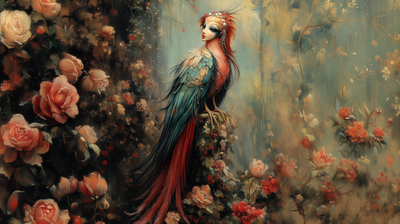
Sirin is a mythological creature from Slavic folklore, often described as a wonderful bird with the head of a woman. It is generally associated with concepts of mystery, divine knowledge, and prophecy. Inspired by the sirens of Greek mythology, Sirin is an ambiguous creature: in some traditions, it symbolizes heavenly joy and paradise, while in others, it embodies danger and deceptive illusions. Its enchanting song is said to lure mortals into mystical ecstasy or self-loss.
In positive tales, Sirin is associated with celestial beings and angels, and its song is considered a divine melody that only the chosen can hear without perishing. However, in other stories, its song can lead to death or despair, like the sirens of Greek mythology.
Correspondence Table of Sirin
| Stones | Lapis lazuli, sapphire |
| Colors | Blue, white, gold |
| Plants | Laurel, sage |
| Signs | Aquarius, Pisces |
| Planet | Venus (symbol of beauty and harmony) |
| Offerings | Flowers, fruits, incense |
Symbols and Appearances
Sirin is depicted as a majestic bird, with a bird’s body and a woman’s head of great beauty. Its shimmering feathers are often described as gold and blue, symbolizing its celestial and divine nature. As a winged creature, it embodies the link between the earthly world and the divine. It is frequently associated with mystical ecstasy and artistic inspiration.
Genealogy of Sirin
Sirin has no defined genealogy in Slavic mythology, but it is part of a group of winged mythological creatures, such as the Alkonost and the Gamayun, which are also birds with women’s heads. These creatures share similar roles as divine messengers or prophets, symbolizing wisdom, beauty, and divine mystery. In some versions, Sirin may be linked to celestial or divine figures, but it remains primarily an independent mythological creature.