General Description of Baba Yaga
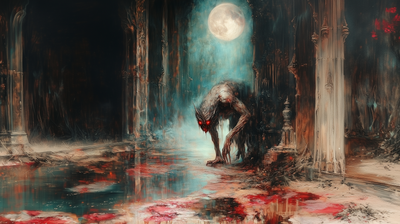
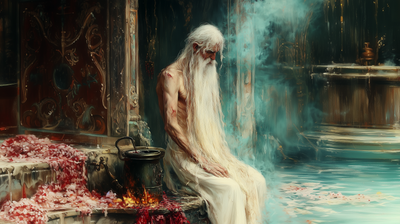
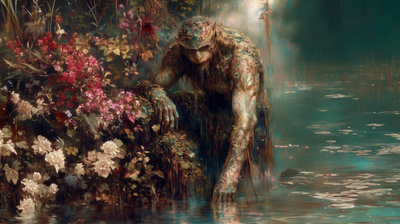
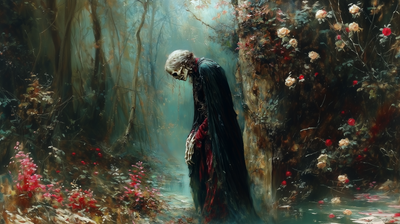
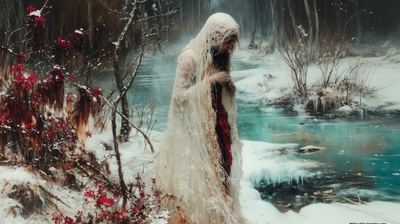
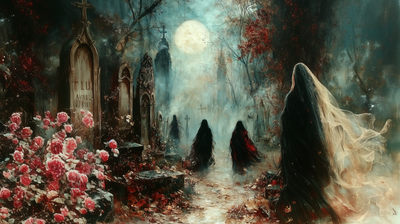
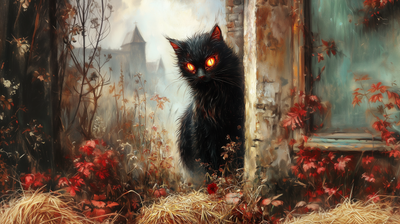
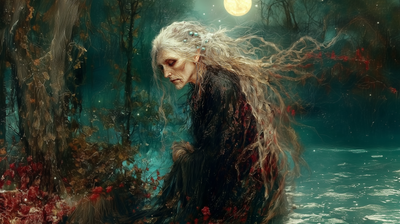
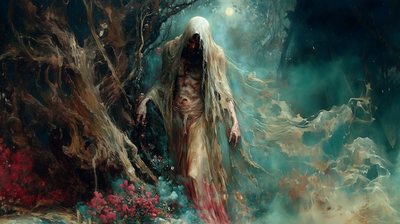
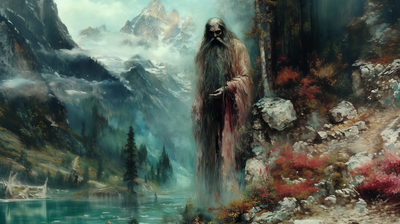
Baba Yaga is an iconic figure of Slavic folklore, depicted as a terrifying and ambiguous old witch. She lives in a hut perched on chicken legs, capable of spinning around. Baba Yaga can be both an obstacle and a help in tales, sometimes eating children or lost travelers, sometimes playing the role of guide or catalyst for transformation for those who manage to respect her. She is often associated with wild nature, cannibalism, but also with wisdom and transformation. In some stories, she is portrayed as an incarnation of Mother Nature, controlling forces like Day, the Sun, and Night, symbolized by riders.
Baba Yaga Correspondence Table
| Stones | Obsidian, hematite |
| Colors | Black, red, gray |
| Plants | Mandrake, nettle, juniper |
| Signs | Scorpio, Capricorn |
| Planet | Saturn (symbolizing destruction and wisdom) |
| Offerings | Bones, food, metal objects |
Symbols and Appearances
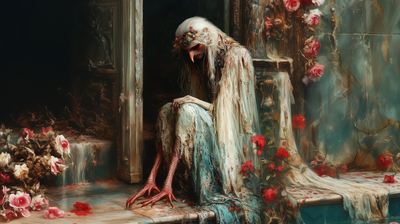
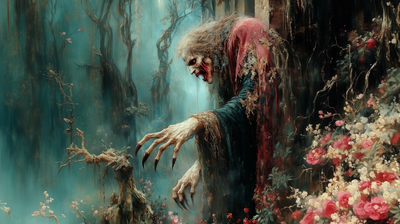
Baba Yaga is often depicted as a hunchbacked old woman, with a hooked nose and iron teeth. She flies through forests in a giant mortar, which she pushes with a pestle while sweeping her tracks with a broom. Her hut, perched on chicken legs, symbolizes her connection to wild nature and her detachment from human societies. She can be a benevolent or destructive entity, depending on the circumstances.
Genealogy of Baba Yaga
Although Baba Yaga has no clear genealogy in Slavic tales, she is sometimes presented as a figure linked to death or cold deities, such as Morozko or Koshchei the Immortal. These connections reinforce her role as guardian of the in-between world, between life and death, civilization and nature. In some stories, she is the sister of several other Baba Yagas, indicating a repeated figure or a multiplied deity in folklore.