Lughnasadh, also called Lammas in some Neopagan calendars, is celebrated at the beginning of August and marks the first harvest in the contemporary Wheel of the Year.
The festival honors the harvests, grain, work completed, prosperity, and the transition into the second half of summer. Bread, wheat, offerings, and solar colors naturally find their place on the altar.
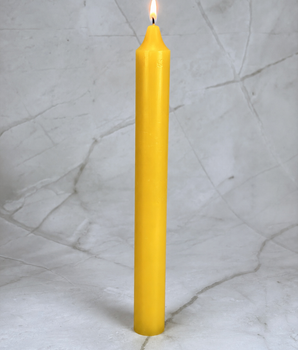
Yellow candles and Citrines accompany workings related to the Sun, abundance, and success. Wealth oils and large Abundance candles extend this focus.
Amber, sage, or lavender incense can accompany the preparation of the space, while offering bowls provide a place to set grain, bread, fruit, or other seasonal gifts.
The Sabbat of Lughnasadh / Lammas 2026, the festival of bread.
The Lammas / Lughnasadh sabbat is a magical festival not to be missed on August 1st! Imagine yourself in the heart of summer, surrounded by the first ripe fruits and golden wheat fields. It’s the perfect time to gather with your loved ones, sharing laughter and stories around a campfire. The celebration begins with baking fresh bread, a symbol of the abundance of the harvest offered by the Celtic god Lugh. The generosity of the earth is honored, and every bite of shared bread strengthens community bonds. Let yourself be enchanted by the solar and festive energy of Lughnasadh, and celebrate the richness of nature in an atmosphere of gratitude and joy.
Lughnasadh takes place between the summer solstice and the autumn equinox. It marks the beginning of the harvest season, where the light slowly starts to fade. This sabbat reminds us that everything sown reaches maturity, that the time of labor bears fruit, but that nothing lasts without transition. It invites us to acknowledge the full cycle: effort, reward, offering, detachment. It is a time to look at what has grown, what must be shared, and what gracefully moves away.
How to celebrate Lammas in a magical practice?
Lammas honors the earth, the grains, the solar fire, the connection between living beings and their environment. In practice, golden candles are lit, bread is prepared, and an altar is decorated with wheat, sunflowers, and dried fruits. It is a time to thank the forces of nature, to bless the home, and to make an offering. The fire remains central, not as destruction, but as a witness to what has ripened. The magic of this sabbat is based on gratitude and giving, not on asking.
What objects or rituals accompany Lughnasadh?
Everything that comes from the earth can accompany this sabbat: handmade bread, preserved seeds, a bouquet of dried grains, a ritual candle charged with intention. You can create a blessing water or a solar infusion with locally gathered plants. A harvest incense, a thanksgiving powder, an object made of rope or braided wheat become supports to say thank you to what has grown, lived, and nourished. Every object used during this time marks a cycle that ends, a new seed, a legacy.
Why does Lughnasadh remain a powerful sabbat despite its subtlety?
Because it celebrates gratitude without extravagance. It reminds us that abundance deserves to be acknowledged, even in simple details. It does not seek excess. It honors the balance between giving and receiving. This sabbat imposes nothing. It invites you to look around, to touch the material, to thank what has nourished the year. In the wheel of the year, it marks a subtle but profound shift: the light diminishes, but the heart can open.
A question about Lughnasadh?
We have the answers.
Why is Lughnasadh associated with bread and grains?
This sabbat marks the beginning of the harvest. Wheat, barley, and oats take center stage. The shared bread becomes a direct offering, a way to give back to the earth what it has provided. The oven, flour, and seeds are all elements that connect the ritual gesture to the daily act.
Can Lughnasadh be celebrated without a garden or personal harvest?
Yes. This sabbat does not require producing anything to exist. It invites you to recognize what has been accomplished, whether material, emotional, or spiritual. Preparing a simple meal, placing a symbolic offering, lighting a thanksgiving candle, all of this is enough to mark the moment. It is the intention of gratitude that gives meaning to the celebration.
What energy dominates this sabbat in the cycle of the year?
Lughnasadh carries an energy of maturity and transition. The light wanes, the fruits are ripe, the efforts come to fruition. It is a time of reflection, a calm after the momentum. It does not push towards action, but towards recognition. It calls for balance between what remains and what must be let go.
What connection does this sabbat have with the deity Lugh?
In Celtic traditions, Lugh is a god associated with art, skill, and harvest. His festival does not celebrate a warrior's triumph, but a tribute. The sabbat is dedicated to him not for his battles, but for his light, fertility, and creative genius. He embodies the beauty of what reaches maturity, transmission, and the wealth of knowledge.
Is this a good time to set an intention?
Lughnasadh invites less to ask and more to give thanks. It is a time of conscious gratitude, not of launching. Setting an intention can be done, if it arises from an honest look at what has been harvested. This sabbat encourages clarity, not illusions.
How are the products prepared?
All products listed as in stock are prepared within 24 hours from order confirmation (excluding weekends and holidays).
Our packages are prepared by our own team with care to ensure the protection of your products.
What are the delivery methods?
We currently offer delivery via Mondial Relay or Colissimo. Find more information here.
What is the delivery time?
The delivery time starts from the shipment of your package, and we indicate the average times observed by our carriers at the time of order. You can check our delivery methods and rates directly here.
To which countries do you ship?
We ship your orders to the following destinations: Metropolitan France, Belgium, Monaco, Luxembourg, Switzerland, Réunion, French Guiana, Guadeloupe, Martinique, Mayotte, Saint Barthélemy, Saint Martin, New Caledonia, Italy, Spain, Portugal, Netherlands, Germany, Canada, United States.
Shipping methods, prices and delivery times depend on the destination and the products ordered. See our shipping information; available options are shown at checkout.
Aeternum is first and foremost a small, passionate French team that selects, packs, and ships more than 2,500 items dedicated to spiritual paths from around the world. Far from clichés, we value traditional practices and source our products as close as possible to local communities, offering ritualized, charged, and authentic products. We ship everywhere in France, Belgium, Switzerland, Luxembourg, Monaco, Réunion, French Guiana, Guadeloupe, Martinique, Mayotte, Saint Barthélemy, Saint Martin, New Caledonia, Italy, Spain, Portugal, Germany, the Netherlands, Canada, and the United States within 24 to 48 hours, and we remain available to answer your questions, whether you are preparing an altar, purifying a space, or simply looking for the right product. Our commitment is simple: to offer sincere, meaningful objects and support you with kindness on your own path. Whether out of curiosity or conviction, come and discover our esoteric bookshop, our incense, our ritual candles, our crystals, or our magical apothecary!