























































































































|
1. The origins of Lughnasadh / Lammas |
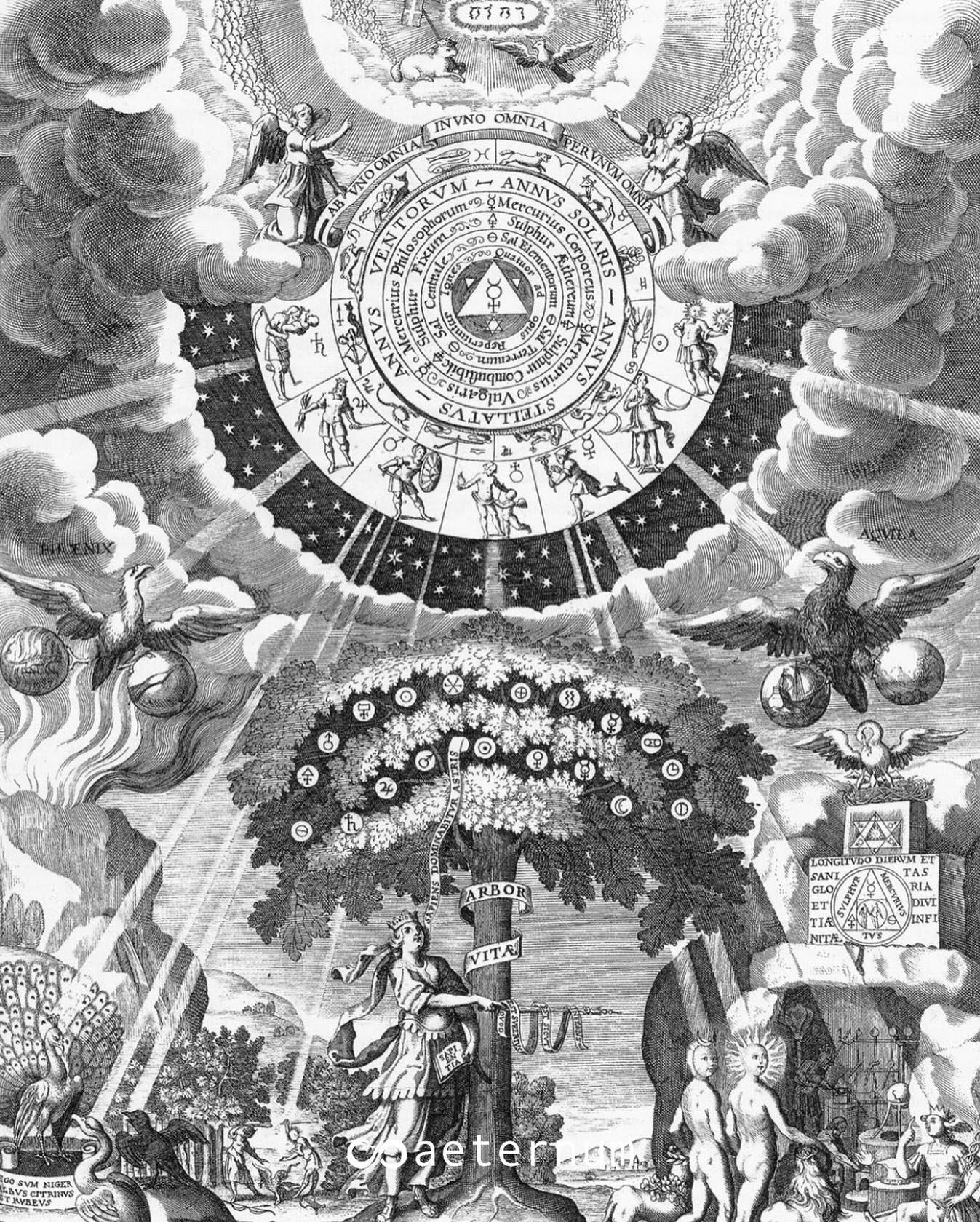
Lammas, more commonly called Lughnasadh or Lugnasad, is a traditional festival celebrated mainly in pagan and neo-pagan cultures. Taking place in the Wiccan wheel of the year after Litha, it marks the first harvest of the year, situated halfway between the summer solstice and the autumn equinox, usually on August 1st. It is a time of gratitude, celebration of the harvests, and recognition of the abundance of mother earth. Introduction.
1. The origins of Lughnasadh / Lammas
1.1. Lughnasadh or Lammas?
Lughnasadh comes from Celtic traditions, where it was dedicated to Lugh, the solar god of arts, light, and skills. Lugh is often associated with mastery, know-how, and protection, making Lughnasadh a festival in his honor, also celebrating his range of talents. Although Lugh is not a classic sun god, he is nonetheless destined to take on the patronage of this important season, as he is not only extremely skilled and talented in all kinds of crafts, but he also has the secret knowledge of the perfect timing to plow, sow, and harvest. He is therefore close to the people, knows their needs and fears, and uses his skills for the common good, so that the harvest season is successful.

With the arrival of Christianity in Europe, many pagan festivals were reinterpreted and integrated into Christian traditions. Lammas, which means Loaf Mass or "mass of bread" in Old English, became a Christian feast celebrating the blessing of the first wheat harvests, where the faithful brought breads to church to be blessed.
1.2. The sabbat of breads
Historically, this festival marked the beginning of the harvests, especially of cereals like wheat and barley. Communities gathered to harvest, cook, and share bread made from the first reaped grains. It was also a time of festivities, including games, competitions, weddings, and trade exchanges. This tradition is also the origin of the nickname "sabbat of breads."

2. The themes of Lugnasad
2.1. Abundance
Lammas / Lughnasadh marks the first harvest of the year, a crucial milestone for ancient agricultural societies. It is the time when planting and cultivation efforts begin to bear fruit, literally. The first cereal harvests, like wheat and barley, are particularly symbolic as they represent the promise of survival and sustenance for the coming months. This initial harvest is a sign of the earth's fertility and future abundance, bringing a sense of security and prosperity to the community.
Grains, especially wheat, are powerful symbols of life and regeneration. As the first harvest, they are the tangible result of farmers' hard work and nature's generosity. Wheat, being the basic ingredient for bread, is also seen as a symbol of life itself, nourishing both bodies and spirits.
Bread, made from the first grains harvested, is a central element of Lammas celebrations. It is often blessed and shared during rituals, representing not only material prosperity but also spiritual and communal communion. Breaking and sharing the bread is an act of gratitude and solidarity, uniting the community in collective recognition of the abundance received.
2.2. The transition
Lughnasadh also marks a period of transition, signaling the shift from summer to autumn. It is a moment of change in the natural cycle, where days begin to shorten and nights lengthen. This transition is visible in nature: golden fields of wheat ready to be harvested, ripening fruits, and signs of the end of the active growing season.
This seasonal change is a time of preparation for the coming winter. The harvests must be gathered, provisions stored, and communities prepare for the colder months. It is a time to reflect on the work accomplished and plan for the future.
2.3. The connection
Lughnasadh also invites deeper reflection on the cycles of nature and life with the freshly cut fields and harvested wheat. The festival highlights the interconnectedness between humans and nature, reminding us that human life is intrinsically linked to seasonal cycles. The harvest, preparation, and gratitude are central themes that encourage awareness of natural rhythms and appreciation of the abundance they bring.
The cycles of sowing, growth, harvest, and rest resonate with human experiences of birth, growth, maturity, and old age. Lughnasadh is therefore also a time to honor these life cycles, recognize personal and community transformations, and express gratitude for the lessons and blessings received throughout the year.
3. The celebrations of Lughnasadh / Lammas
Unlike other more "integrated" sabbats, the sabbat of Lughnasadh is certainly the most discreet, if not the least celebrated. Yet it carries a strong symbolism of harvest after having celebrated fertility deities and is therefore a powerful moment of gratitude that allows replenishing reserves.
3.1. The grain dolls
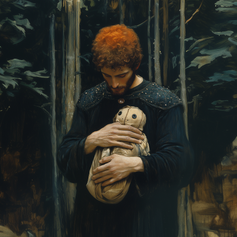
One common ritual consisted of making grain dolls, made from the first ears of wheat harvested. These dolls, representing the harvest goddess, were kept throughout the year to bring luck and protection. At the end of the harvest season, these dolls were often burned during purification ceremonies, symbolizing the cycle of death and rebirth.

3.2. The feast of Lughnasadh
Banquets and dishes made with fresh harvests obviously have a central place in the sabbat of Lughnasadh. In a prominent place stands unsurprisingly the bread, or rather the breads, made from flour as a symbol of abundance. It is thus a perfect occasion to prepare breads of different types, shapes, and flavors to accompany the meal (mainly the wheat bread, corn bread, and herb bread).
As with every celebration, the meal is also a moment of conviviality and family or community gathering around a good meal. These ingredients are to be favored: cereals of course (pancakes, cakes, loaves), but also berries, apples, carrots, potatoes, squashes, herbs, and spices (for pies, tarts, or soups).
Drinks are not left out as the famous mead (fermented honey) is traditionally drunk at this time, or cider (from Brittany, of course).
3.3. The fairs
Trade fairs were also common during Lughnasadh, offering an opportunity for artisans and merchants to sell their products, Lugh also being the god of craftsmanship. These fairs were social gathering places, facilitating economic, cultural, and personal exchanges. Marriages and engagement agreements were often made during these gatherings, strengthening community bonds.
3.4. The altar to Lugh

As with every sabbat, you can create an altar dedicated to Lugh with these elements:
-
Grains and wheat ears: place ears of wheat, barley, or other grains on the altar to symbolize the first harvest.
-
Bread: add a small loaf or cake as an offering, symbolizing abundance and gratitude.
-
Candles: use golden, yellow, white, or red candles to represent the light and energy of Lugh.
-
Ribbons: decorate the altar with fabrics in colors associated with Lugh, such as gold, yellow, and white.
-
Flowers: add seasonal flowers, especially yellow or golden ones, to honor nature and the harvest.
-
Stones and crystals: stones like Tiger's Eye, Citrine, and Quartz can be placed on the altar to attract the energy of light and creativity.
-
Tools: Lugh is often associated with tools, notably spears, athames, and mallets. Place small replicas or images of these objects on the altar.
-
Creations: place handcrafted objects or artworks you have made to honor the skills and arts that Lugh represents.
3.5. The sacred hill of Uisneach
As I mentioned earlier, this sabbat is one of the least celebrated, if not the least. Yet, the site of the sacred hill of Uisneach in Ireland is the setting for this celebration. This place is considered the heart of Ireland and is also a very symbolic link for the Beltane festivities.

4. The correspondences of Lugnasad / Lammas
| Stones | Amber, Jade, Tiger's Eye, Ruby, Rock Crystal |
| Planets | Sun |
| Day | August 1st (traditional date of Lammas/Lughnasadh) |
| Deities | Apollo, Balder, Freya, Lugh, Helios, Ra |
| Creatures | Fairies, Elves, Dragons, Phoenix |
| Plants | St. John's Wort, Lavender, Sage, Rosemary, Oak |
| Signs | Leo (astrological sign of mid-summer) |
| Direction | South (associated with the sun's zenith, heat, and light) |
| Element | Fire (representing the power and light of the sun at its peak) |
| Season | Summer (late summer, beginning of the harvest season) |
[bloctwist]