










































































































































































































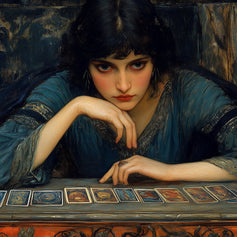




Lead may not look impressive with its gray luster and heavy weight, but it carries a fascinating occult power within it. Since Antiquity, this metal has been at the heart of some of the most formidable and respected esoteric practices. From the sorcerers of ancient Rome to the alchemists of the Renaissance, they all saw lead as far more than a simple material: a vehicle for curses and metamorphoses, a shield against darkness, and a key to spiritual transmutation. The magic of lead continues to intrigue through its paradox: toxic to the body, it can—so they say—heal the soul.
Ancient curses engraved in lead
At the heart of the remains of ancient magic, we find mysterious lead sheets covered with cabalistic inscriptions. Known as defixiones, these small tablets were intended to harm a particular person—an adversary, a romantic rival, or a thief—by invoking supernatural forces against them. They constitute the most widespread evidence of witchcraft in the Greco-Roman world, with approximately two thousand examples discovered dating from the 6th century BC through Late Antiquity. Preserved in the archives of Clermont-Ferrand, some of these curse tablets from Turkey show just how common and feared this practice was: thin sheets of lead engraved with the victim’s name and a malevolent formula, which the mage concealed in a tomb, a well, or a sacred spring to seal the spell. Once buried in the depths, the curse was believed to act inexorably, bound to the target’s soul and to the underworld deities complicit in the curse.


The choice of lead as a medium for these spells was not accidental. This metal was inexpensive and easy to work with: its great malleability made it possible to engrave long and complex formulas, while its resistance to corrosion ensured that the engraved spell would endure through the ages without fading. If sorcerers happened to run short of lead, they did not hesitate to steal it from city water pipes—even if that meant sacrificing the aqueduct plumbing! This practicality was accompanied by a strong symbolic dimension. A cold and obscure metal, lead was perceived as being intimately linked “by sympathy to the hidden worlds” below—that is, the subterranean realms of spirits and chthonic gods. By using it, the magician connected the curse to the powers of the invisible. Poison of bodies and souls, lead was the ideal vehicle for baleful energies: this “vilest of metals” could poison not only the physical body—which is where lead poisoning gets its name—but also the human soul itself. Paradoxically, this power of death also gave it protective strength—we will return to this. Firmly traced onto a lead tablet, curses took on a lasting and implacable force, materializing the resentment or vengeance of the person who formulated them and entrusting them to the inert weight of the metal to act in the shadows.
Saturn and the alchemical transmutation of lead
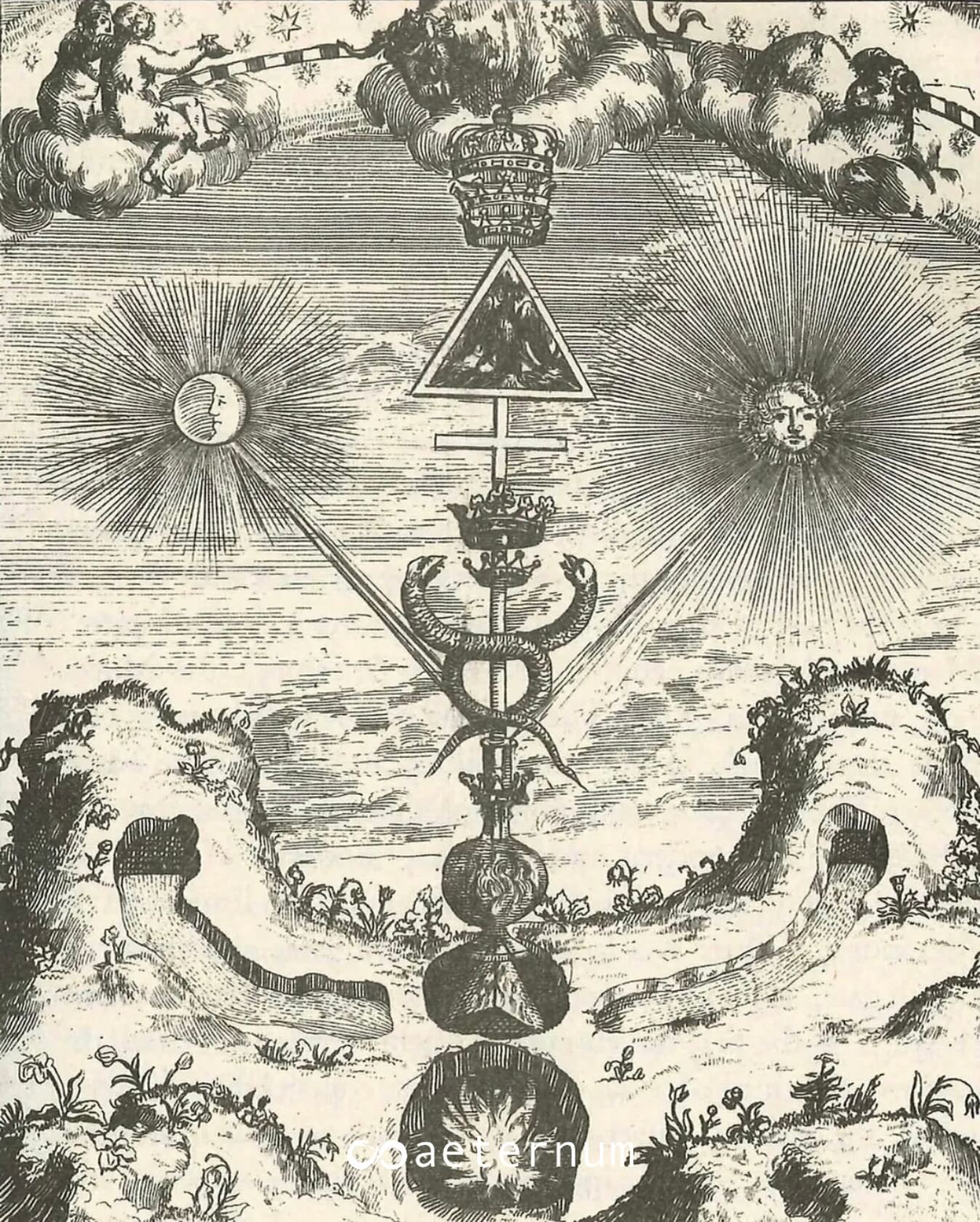
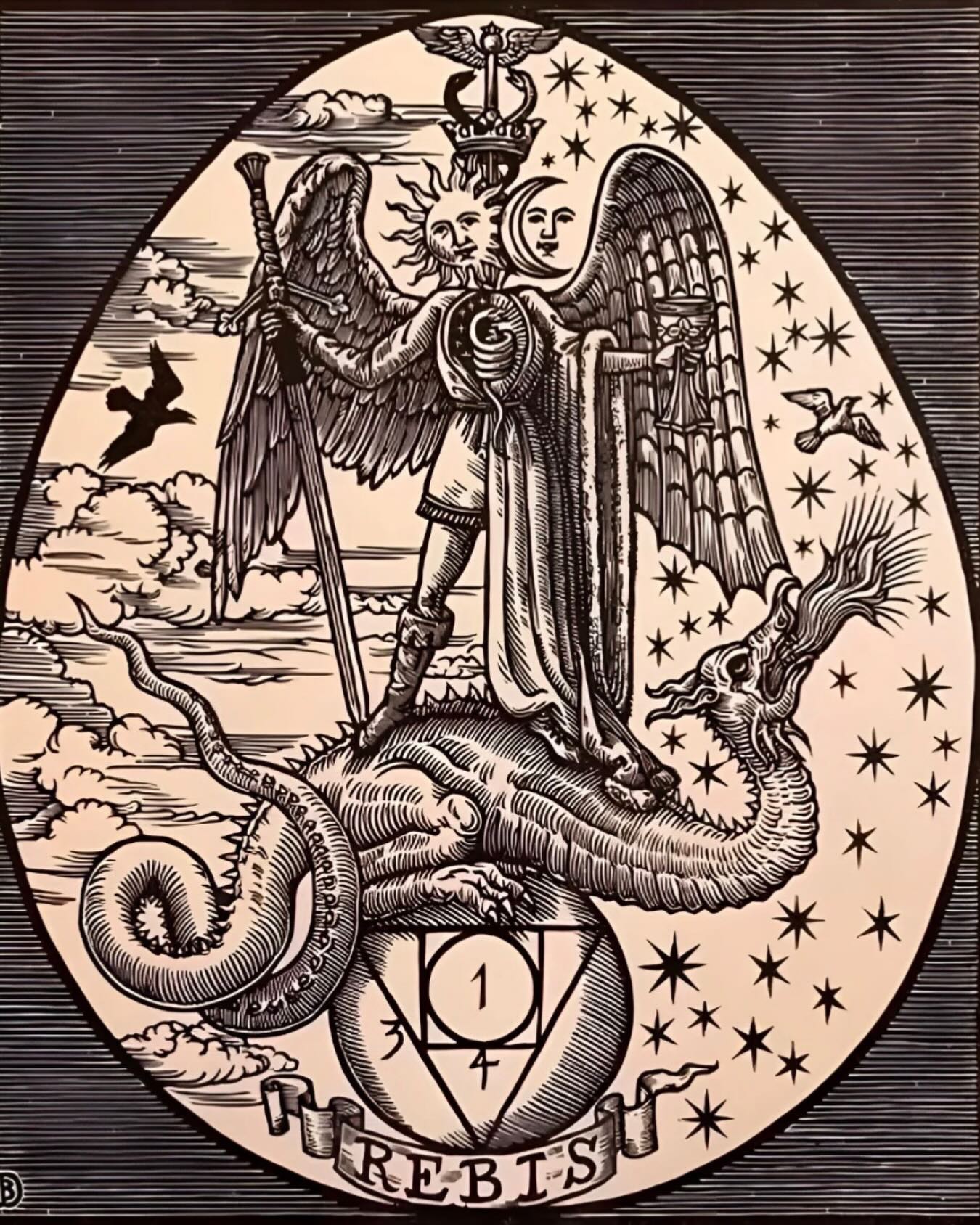
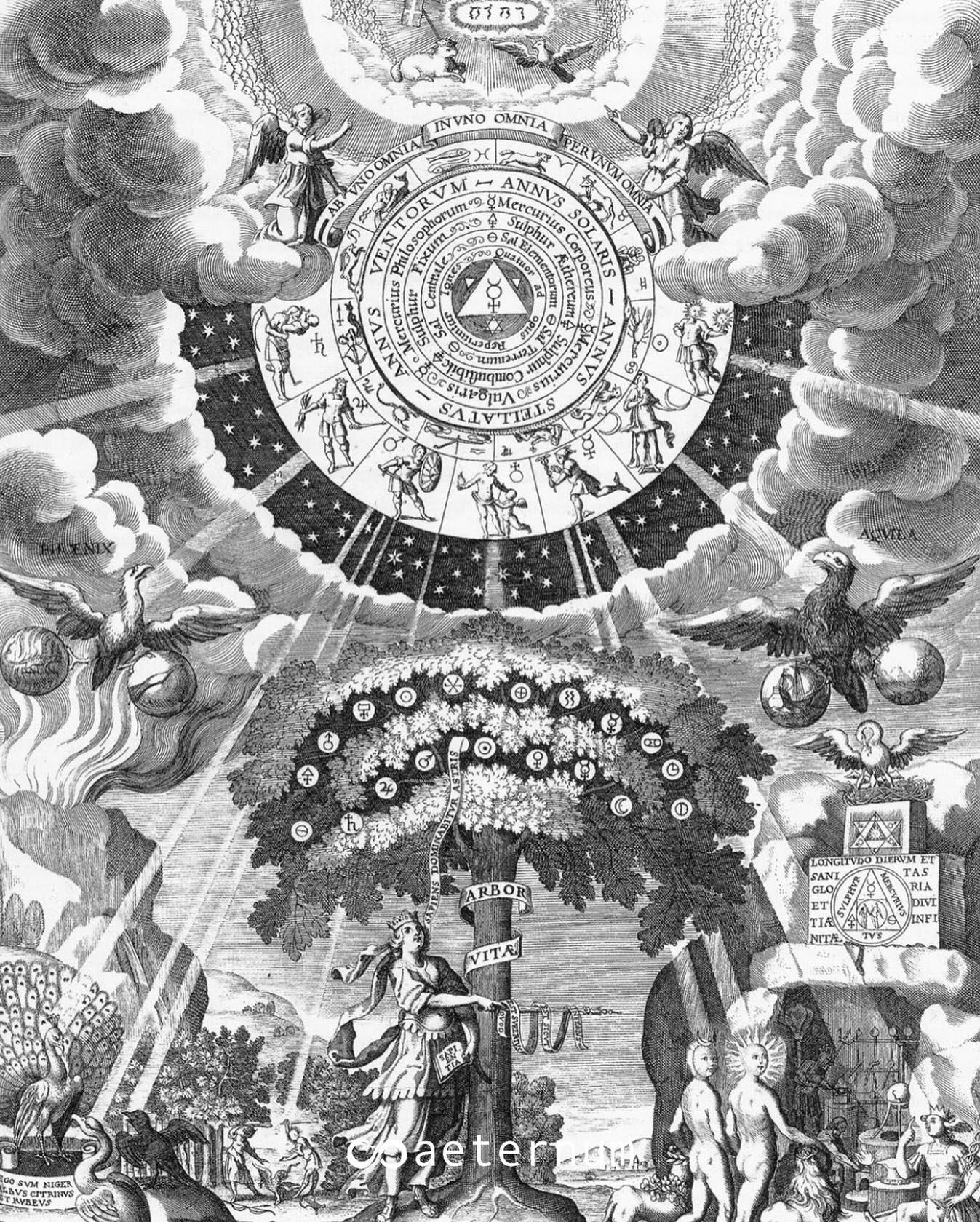
In alchemy, lead holds a prominent place as Saturn’s metal. The ancients associated each of the seven known metals with a celestial body, and lead corresponded to the planet Saturn, the old planet with dark rings. This correspondence was not merely astronomical: Saturn symbolized time, fate, and melancholy—qualities readily attributed to lead by analogy. In alchemical treatises, it is said that Saturn rules over lead, and the latter is imbued with all the Saturnian influences: heaviness, slowness, coldness, and a dark appearance. Black color, putrefaction, apparent death—lead thus embodies the initial stage of the Great Work. Alchemists call this first phase, in which the prima materia must symbolically “die” in order to be reborn purified, the blackening (Nigredo). Indeed, “in alchemy, lead is the metal associated with the color black, putrefaction, and the first stage of the Opus: the Nigredo.” Under the sign of Saturn, lead marks the beginning of the alchemical process, when everything dissolves into primordial darkness. It is Saturn’s realm, that of raw and imperfect matter immersed in melancholy. Alchemists also saw the darkness of lead as a reflection of the prima materia, the original chaotic matter from which light must emerge. For them, lead was a starting point, the tangible symbol of the initial corruption to be transcended.
If lead is the dark foundation of the Great Work, it also contains the light of gold in embryo. Alchemy’s most famous quest is precisely to transmute lead into gold, an operation that is both material and spiritual. For centuries, adepts sought the formula for converting this heavy and impure metal into pure, radiant gold—a metaphor for the perfection of the soul. Alchemical texts are lavish in their praise of this miracle of transformation. Far from being scorned, lead was instead exalted by the hermetic masters: “Know, nevertheless, that our lead is more precious than any gold,” declared the alchemist Eirenaeus Philalethes in the 17th century. Beneath its base form supposedly lay the soul of gold, the very seed of the noble metal, which only needed to be awakened. Treatises describe how, after elaborate furnace work and distillations, lead is purified, changes color, passes through white (the albedo), and finally turns red into incandescent gold (the rubedo). This chemical journey conceals a mystical path: the elevation of the human spirit. Alchemy viewed lead as the symbol of the unawakened person, weighed down by material instincts. Through patience, study, and faith in the Art, this inner lead could be transfigured into golden consciousness. The magic of lead is this promise that the basest can give birth to the most precious. Indeed, a hermetic maxim reminds us: “our lead is more precious than gold, because within it lies potential gold.” Lead was not an end in itself, but the indispensable beginning of the great alchemical metamorphosis—without it, no alchemical gold was possible.
Protection rituals and divination through lead
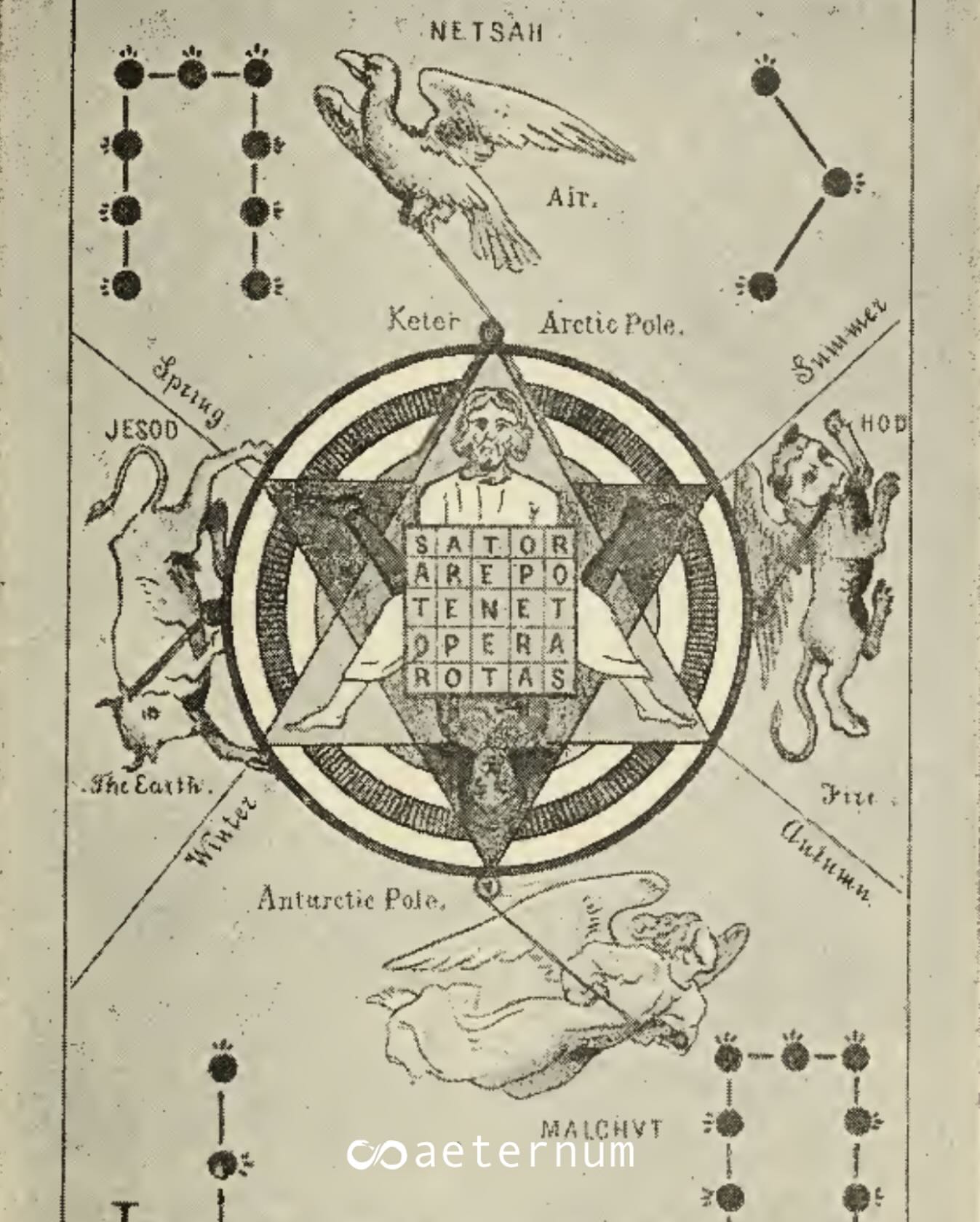
A metal of curses, lead has also historically established itself as a formidable protective metal. Mages and occultists soon understood that what carries evil within it can also ward it off—similia similibus, as they say in homeopathy. In other words, “the harm caused by lead can also serve to undo it.” Thus lead found its place in countless esoteric rituals of appeasement and healing. In Late Antiquity and the Middle Ages, lead amulets were made to repel evil spirits: their symbolic heaviness created a barrier between a person and malevolent occult influences. Just as lead sheets imprisoned curses, it was believed that a lead talisman could imprison the evil eye and prevent any negative force from reaching its wearer. Planetary magic grimoires recommended forging pentacles of Saturn on a lead plate, during the astrological hour of the old god, in order to capture its protective energy. The famous Key of Solomon states that Saturn’s sacred seal—intended to terrify demons—must be engraved on lead, the metal dedicated to him. By its nature, lead blocks and absorbs. Just as it stops X-rays or gamma rays in science, it absorbs negative energies in magic. Used in unwitching rituals, it neutralizes curses by literally drinking them in, acting as an occult sponge. Practitioners thus use it to dispel stagnant or harmful influences that haunt a place or person. Melting a small quantity of lead in a brazier, pouring it into water, and watching the evil become fixed in the solidified metal—this was a purification gesture found in various traditions from Eastern Europe to the Maghreb. Through its affinity with Saturn, lead also serves to anchor spiritual forces in the material world: it fixes beneficial spells, structures energies, and marks the boundaries that malevolent entities must not cross. In this sense, it is a weighty ally—quite literally—for anyone seeking lasting protection.
The magic of lead does not stop at defense: it extends to the divinatory arts, where the metal becomes a messenger of destiny. One of the oldest practices, still alive today, is molybdomancy—divination through molten lead. The principle is simple in appearance: lead (or a lead-based alloy) is melted and suddenly poured into a container of cold water. The molten metal solidifies instantly, forming strange figures while producing hisses and crackles. The diviner must then interpret these shapes and sounds to read omens in them. An ancient and universal art, molybdomancy has been documented since Antiquity and continues in many cultures. Even today, it is a New Year’s Eve tradition in Germany, Finland, Switzerland, Turkey, and many other countries. On New Year’s Eve, everyone enjoys pouring molten lead into water and guessing what the coming year has in store by examining the metal’s frozen silhouette. What looks like a popular game conceals deeply magical roots: in Greco-Roman Antiquity, these lead libations were already practiced to consult fate. A pour resembling a heart? A marriage on the horizon. A shrill sound as the metal plunged into the water? A warning from the gods… Popular tradition is full of ready-made symbolic interpretations, but the true practitioner will know how to listen to their intuition to decipher the unique signs engraved by lead.
Finally, the ritual use of lead has experienced a revival as a means of diagnosing the invisible. These are small rituals during which lead is melted above a person who is supposedly bewitched: if the metal forms certain figures or solidifies in an abnormal way, this confirms the presence of a spell or harmful energy. Once the evil has been detected, a lead uncrossing is performed. The mass of molten lead serves as a catalyst for extracting the malevolent influence: by pouring it into water or onto a talisman, the spell is symbolically “transferred” from the patient to the metal. The latter absorbs the evil, which is then imprisoned in the solidified disk that will be buried or broken.
Cursed metal and sacred metal, lead alternately embodies the evil that eats away and the protection that saves, Saturn’s darkness and the promise of spiritual gold. Civilizations have feared it for its curses as much as they have revered it for its occult virtues. Its symbolism is powerful: it reminds us that the darkest forces can be transmuted into light. The magic of lead, indeed, invites us to transform—raw matter into subtle matter, “leaden instincts” into golden wisdom.








2 comments on The Magic of Lead, Between Sacred and Cursed