












































































































|
CONTENTS...
1. What is Kabbalah? |
Kabbalah has intrigued for centuries. It is also cited by many occultists in their esoteric works. This is not surprising: behind this name lies a rich teaching that questions the nature of the universe, the place of humans, and the meaning of existence. Long perceived as reserved for an elite, it has gradually opened to a wider audience. Introduction to one of the oldest magical traditions in history.
1. What is Kabbalah?
Kabbalah represents a spiritual and philosophical tradition originating from Judaism. This current is based on the idea that the visible world hides invisible structures accessible through study and reflection. Its teachings are founded on ancient texts that describe the nature of the universe, the relationship between humans and the divine, and the laws governing creation.
The word Kabbalah comes from the Hebrew Qabbalah (קַבָּלָה), meaning "reception" or "tradition." This term evokes a transmission of knowledge, seen as revealed and entrusted to successive generations. In its historical use, it refers to esoteric knowledge preserved and studied by certain Jewish scholars. This transmission took various forms, through commentaries, symbolic visions, and meditative practices.

Jewish Kabbalah fits within a specific religious framework. It is based on fundamental texts, notably the Sefer Yetzirah, the Zohar, and the Sefer HaBahir, which interpret the Torah from a symbolic and numerical perspective. This tradition emphasizes Hebrew letters, divine names, and the hidden structures of the world.
From the Renaissance onward, Christian and European occultist thinkers became interested in Kabbalah, integrating it into other philosophical and magical systems. This adaptation gave rise to what is called Christian Kabbalah and Hermetic Kabbalah. In these currents, Kabbalistic teachings meet concepts borrowed from Neoplatonism, alchemy, and astrology.
2. The main principles of Kabbalah
Kabbalah is based on a worldview where everything follows an ordered structure. The universe is not limited to what is perceptible. Behind matter lies a subtler reality, organized according to precise laws. This tradition seeks to understand the origin of creation, the forces that flow through it, and how humans can consciously engage with it.
2.1. The nature of reality and creation
In Kabbalistic thought, the idea of Tsimtsoum describes a process by which the divine infinite (Ein Sof) made the existence of the world possible.
Before any creation, only the divine presence occupied space, without limits or distinctions. For something else to exist, a separation was necessary, a kind of voluntary withdrawal. This withdrawal does not mean disappearance but a reduction of divine omnipresence to make room for an independent space where the material and spiritual world could emerge.


In this cleared space, energy channels called Sephiroth formed, serving as bridges between the divine and creation. These emanations transmit the various forces necessary to structure the universe. Far from being a world detached from its origin, creation remains connected to the divine through these energy flows that organize matter and consciousness.
2.2. The Tree of Life and the Sephiroth
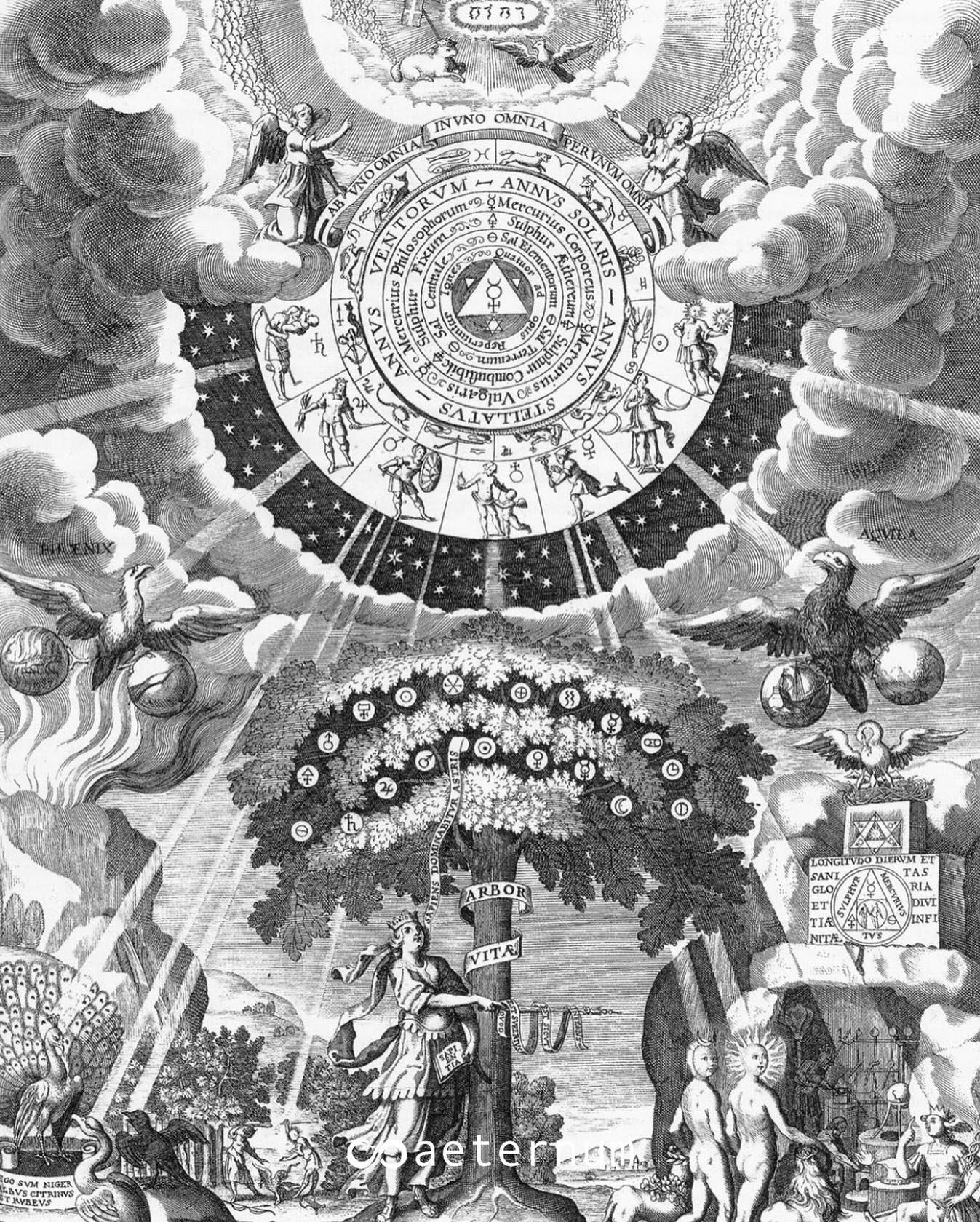
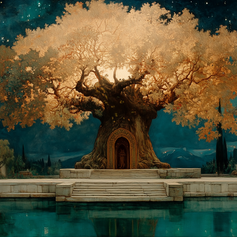
One of the fundamental frameworks of Kabbalah is based on the Tree of Life, a representation composed of ten emanations called Sephiroth. These ten principles express the different facets of creation and the divine. Each Sephirah has a specific function and connects to others through symbolic paths.
| Sephirah | Facet | Symbol |
| Kether (The Crown) | The pure and indefinable origin, source of all existence | This Sephirah embodies the primordial essence, beyond form and duality |
| Chokmah (Wisdom) | Raw creative impulse, a pure energy in motion | It represents intuition and divine inspiration that initiate the act of creation |
| Binah (Intelligence or Understanding) | The structuring of creative energy | This Sephirah shapes concepts and gives a defined form to what was an abstract impulse |
| Chesed (Grace or Kindness) | Expansive love and infinite generosity | It expresses abundance, kindness, and openness of heart |
| Gevurah (Severity or Strength) | Discipline and justice | It represents the need for order, limits, and restriction to balance Chesed's generosity |
| Tiphereth (Beauty and Harmony) | The balance point between opposing forces | It embodies enlightened consciousness and the quest for truth through harmony |
| Netzach (Victory or Eternity) | The energy of movement, perseverance, and passion | It is connected to emotions and desires that drive action |
| Hod (Glory or Splendor) | Rationality and intellect | It embodies analysis, communication, and the ability to structure thought |
| Yesod (The Foundation) | The link between the spiritual and the material | It acts as an intermediary between the higher worlds and physical reality |
| Malkuth (The Kingdom) | Concrete manifestation | It represents the material world, the embodiment of higher energies in tangible reality |
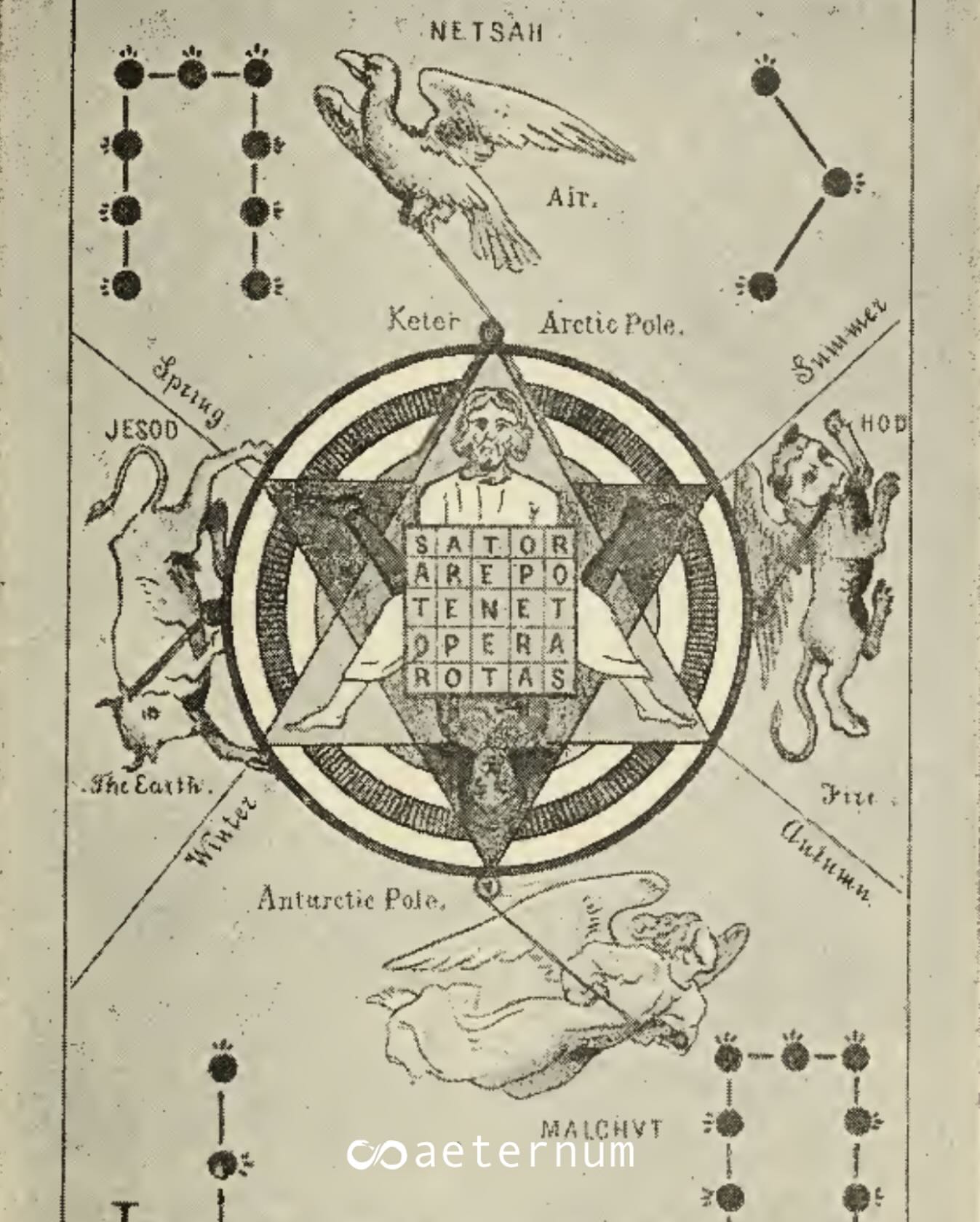
These emanations form a structured sequence, ranging from the most subtle to the most material. At the top is Kether, which represents the pure and immaterial origin. Lower down, other forces come into play, down to Malkuth, the domain of the physical world. This tree functions as a model of understanding, allowing exploration of the relationship between man and the universe.
In other words, it functions as a model of spiritual progression. Every human being carries these ten energies within in different forms. The spiritual quest consists of becoming aware of these levels of existence and working on the balance between these forces. The higher the consciousness rises in the Tree of Life, the more it is united with the divine.
2.3. The role of Hebrew letters
In Kabbalah, the Hebrew alphabet is not limited to a simple writing system. Each letter carries a specific vibration and a meaning that goes beyond its linguistic use. These letters are seen as fundamental forces that participated in the creation process. The universe was shaped not only by an abstract divine will but also by the precise arrangement of these symbols, which transmit their own energy.
Each letter has a numerical value, which allows correspondences to be established between words and hidden teachings to be extracted. This approach, called gematria, is based on the principle that words with the same numerical sum share a secret relationship. This method of analysis opens up new perspectives of understanding by revealing connections between concepts that apparently have no relation.
| Letter | Name | Level | Correspondence | Value |
| א | Aleph | Mother letter | Air | 1 |
| ב | Beth | Double letter | Mercury | 2 |
| ג | Gimel | Double letter | Moon | 3 |
| ד | Daleth | Double letter | Venus | 4 |
| ה | He | Simple letter | Aries | 5 |
| ו | Vav | Simple letter | Taurus | 6 |
| ז | Zayin | Simple letter | Gemini | 7 |
| ח | Chet | Simple letter | Cancer | 8 |
| ט | Teth | Simple letter | Leo | 9 |
| י | Yod | Simple letter | Virgo | 10 |
| כ / ך | Kaph | Double letter | Jupiter | 20 |
| ל | Lamed | Simple letter | Libra | 30 |
| מ / ם | Mem | Mother letter | Water | 40 |
| נ / ן | Nun | Simple letter | Scorpio | 50 |
| ס | Samekh | Simple letter | Sagittarius | 60 |
| ע | Ayin | Simple letter | Capricorn | 70 |
| פ / ף | Pe | Double letter | Mars | 80 |
| צ / ץ | Tsade | Simple letter | Aquarius | 90 |
| ק | Qoph | Simple letter | Pisces | 100 |
| ר | Resh | Double letter | Sun | 200 |
| ש | Shin | Mother letter | Fire | 300 |
| ת | Tav | Double letter | Saturn | 400 |
The three mother letters (Aleph, Mem, Shin) symbolize the three fundamental elements: air, water, and fire (note that earth is considered a component of the three elements, which is why it has no assigned letter). They represent the primordial principles of creation and are found in the most fundamental paths of the Tree.
The seven double letters (Beth, Gimel, Daleth, Kaph, Pe, Resh, Tav) correspond to the forces that balance the universe. They are associated with the seven traditional planets and cycles of transformation.
The twelve simple letters (He, Vav, Zayin, Chet, Teth, Yod, Lamed, Nun, Samekh, Ayin, Tsade, Qoph) are linked to the twelve zodiac signs and the different experiences that mark the spiritual and existential journey.
3. The 22 paths of the Tree of Life
You are surely wondering what the connection is between the Sephiroth, the Tree of Life, the alphabet, and the different correspondences.

These letters are actually seen as keys, allowing one to open one of the 22 paths enabling progress in the Tree of Life. An individual's life is thus analyzed (the letters of the first and last name, life experience to date, current experience, sign,...) to determine which path they are on. Of course, as we have seen, life is not limited to one path, but to several that do not follow the same order but follow life itself.
Moreover, if you practice tarot, you will have made a connection between the 22 paths and... the 22 cards. In Western Kabbalah, tarot is studied on the same level as other correspondences but it arrived later and is not part of the Ktraditional Jewish Kabbalah.
If you feel like it, here is a table of correspondences (more modern therefore) linking the letters, the Sephiroth, and the tarot cards:
| Letter | Name | Path | Arcana |
| א | Aleph | Kether towards Chokmah | The Fool |
| ב | Beth |
Kether towards Binah |
The Magician |
| ג | Gimel | Kether towards Tiphereth | The High Priestess |
| ד | Daleth |
Chokmah towards Binah |
The Empress |
| ה | He | Chokmah towards Tiphereth | The Emperor |
| ו | Vav |
Chokmah towards Chesed |
The Pope |
| ז | Zayin |
Binah towards Tiphereth |
The Lovers |
| ח | Chet |
Binah towards Geburah |
The Chariot |
| ט | Teth |
Chesed towards Geburah |
Strength |
| י | Yod |
Chesed towards Tiphereth |
The Hermit |
| כ / ך | Kaph |
Chesed towards Binah |
The Wheel of Fortune |
| ל | Lamed |
Geburah towards Tiphereth |
Justice |
| מ / ם | Mem |
Geburah towards Hod |
The Hanged Man |
| נ / ן | Nun |
Tiphereth towards Netzach |
Death |
| ס | Samekh |
Tiphereth towards Yesod |
Temperance |
| ע | Ayin |
Tiphereth towards Hod |
The Devil |
| פ / ף | Pe |
Netzach towards Chesed |
The Tower |
| צ / ץ | Tsade |
Netzach towards Hod |
The Star |
| ק | Qoph |
Netzach towards Yesod |
The Moon |
| ר | Resh |
Netzach towards Malkuth |
The Sun |
| ש | Shin |
Hod towards Yesod |
Judgment |
| ת | Tav |
Hod towards Malkuth |
The World |
4. The periods of Kabbalah
Like its vision, Kabbalah evolved and enriched itself over time, through distinct periods.
4.1. Ancient Kabbalah (before the 10th century): the symbolic and numerological foundations
The origins of Kabbalah date back to the first centuries of the Christian era, although its concepts draw from older traditions. At that time, Jewish esoteric teachings circulated mainly orally or through cryptic texts.
This period is marked by speculations about the creation of the world, the role of angels, and the invisible structures of the universe. At this stage, Kabbalah does not yet constitute a structured school, but rather a set of esoteric reflections and practices within rabbinic Judaism.
4.2. Medieval Kabbalah (12th - 14th centuries): the structure of kabbalistic thought
It is at this time that Kabbalah truly takes shape as an organized spiritual and theological tradition. The appearance of several major texts will define the foundations of kabbalistic thought.
This period sees the emergence of major kabbalistic schools in Spain and Provence, with figures like Nahmanide and Abraham Abulafia, who introduce ecstatic Kabbalah, focused on meditation on letters and divine names.
4.3. Lurianic Kabbalah (16th century): the cosmological vision
After the expulsion of the Jews from Spain in 1492, Kabbalah experiences a major revival in Safed, Galilee, under the influence of Rabbi Isaac Louria (1534-1572). His vision transforms Kabbalah and influences all subsequent generations.
He develops the doctrine of Tsimtsoum, where God withdraws to leave space for creation. He also introduces the concept of Kelim (broken vessels), explaining that the initial universe shattered and humanity must repair these fragments through a process called Tikkoun Olam (repair of the world).
4.4. Modern Kabbalah and Hasidism (18th - 19th centuries): democratization of Kabbalah
From the 18th century, Kabbalah ceases to be a teaching reserved for an elite and spreads into popular Judaism through Hasidism, a movement founded by the Baal Shem Tov (1700-1760).
Hasidism simplifies certain aspects of Kabbalah to make them accessible to all. It emphasizes inner experience, joy, and prayer as a means of union with the divine. Teachings based on the fusion of Kabbalah and rational thought are thus developed.
This period also sees opposition between the kabbalists and the rationalist rabbis (mitnagdim), who reject the mystical approach in favor of a stricter reading of the Talmud (one of the fundamental texts of Judaism concerning Jewish law, ethics, traditions, and interpretations of the Torah).
4.5. Esoteric and Western Kabbalah (19th - 21st centuries)
From the 19th century, Kabbalah begins to influence Western esotericism. Several movements outside of Judaism adopt its concepts by merging them with other traditions, notably:
-
European occultism (Éliphas Lévi, the Golden Dawn) integrates Kabbalah with alchemy, astrology, and ceremonial magic.
-
The connection with divinatory tarot, with its compatibility with the twenty-two Hebrew letters and the Tree of Life (a late construction but widely used today).
-
In the 20th century, figures like Aleister Crowley and Dion Fortune deepened the links between Kabbalah and magical practices.
-
From the 1990s, "New Age" Kabbalah popularized by centers like Philip Berg's and celebrities like... Madonna (who is a member of the Kabbalah Centre), which was strongly criticized by traditional rabbis and Kabbalists for this commercial approach.
5. What is Kabbalistic magic?
Unlike Western magical practices, Kabbalistic magic relies on prayers, invocations, and meditations aimed at harmonizing the human being with the energies of the divine.

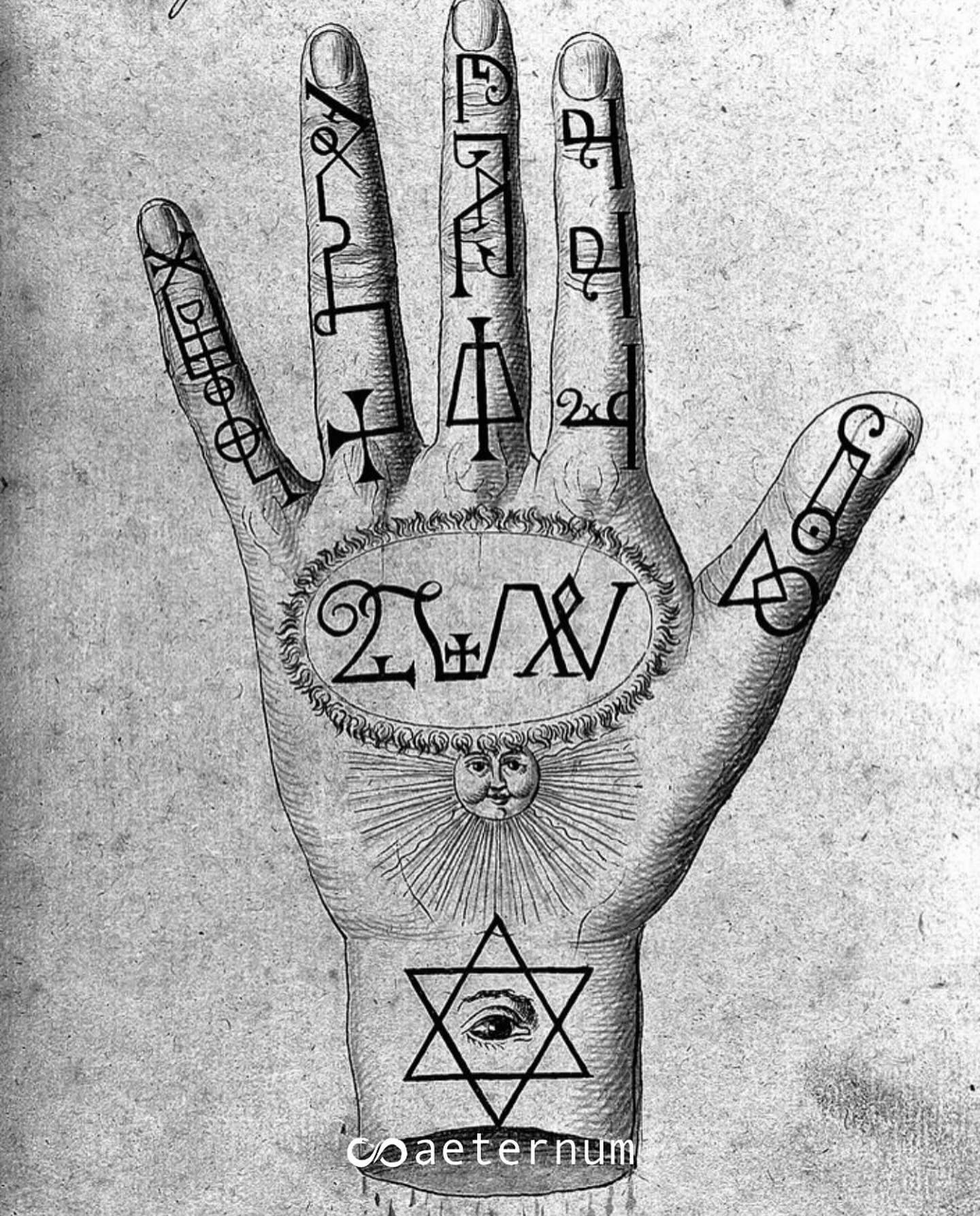
Talismans bearing Sacred Names are used, as well as the recitation of codified prayers and contemplation of the divine letters to channel certain energies. The goal is not to manipulate the material world but to align the soul with higher principles.
6. The fundamental texts of Kabbalah
Kabbalah is based on ancient texts that describe the structure of the universe and the hidden principles governing creation. These writings should not be considered dogmatic works but rather symbolic and philosophical ones.
6.1. The Sefer Yetzirah: the Book of Creation
The Sefer Yetzirah is one of the oldest known Kabbalistic texts. Its origin remains uncertain, but it is attributed to Abraham in tradition and dates from a period between the 2nd and 6th centuries. This book presents a worldview based on Hebrew letters and numbers, which are shown as the fundamental elements used to shape the universe.
The text describes creation in six chapters, explaining how the world is structured around ten Sephiroth and twenty-two letters of the Hebrew alphabet, which serve as energy channels connecting the different dimensions of existence. It also discusses the relationship between these letters and the elements (Air, Water, Fire), the seven traditional planets, and the twelve zodiac signs.
The Sefer Yetzirah is a work that lends itself to different readings: some study it from a purely speculative angle, while others use it as a practical manual for meditation and exploration of creative forces. It has influenced many esoteric currents and forms a fundamental basis for understanding the Tree of Life.
6.2. The Zohar: the Book of Splendor
The Zohar is considered the central work of Kabbalah. Its content is attributed to the sage Shimon bar Yohaï, a 2nd-century rabbi, but it was widely disseminated in the 13th century by Moses de León, a Spanish scholar who either wrote or rediscovered it. This monumental text is an esoteric commentary on the Torah, where each biblical passage is interpreted from a symbolic perspective.
The Zohar offers a reading where the sacred text is not limited to its literal meaning but contains multiple levels of significance. It describes the universe as a system of interactions between divine forces, souls, and the material world, structured by the Sephiroth. It also introduces concepts such as the Shekhinah, the divine presence in the world, and the Tsimtsoum, the voluntary withdrawal of God to allow creation (which we saw earlier).
The Zohar is written as dialogues between masters and disciples exploring the secrets of the divine, creation, and the destiny of the soul. Its style is dense and filled with symbols, making it difficult to approach without a deep knowledge of the kabbalistic tradition. It remains today an essential source for those seeking to understand the kabbalistic vision of the world.
6.3. The Sefer HaBahir: the Book of Brightness
The Sefer HaBahir is a kabbalistic text that appeared in Provence in the 12th century. Its title means Book of Brightness, although its content remains enigmatic. It is presented in the form of short paragraphs addressing themes such as the structure of the universe, divine light, and interactions between cosmic forces.
This book emphasizes the Sephiroth, which it describes as aspects of the divine in constant interaction. It stresses the importance of Hebrew letters, not only as elements of creation but also as vehicles of hidden wisdom.
The Sefer HaBahir is considered a transitional text between ancient Kabbalah and medieval Kabbalah. It marks a turning point by introducing concepts that would later be developed in the Zohar and in European kabbalistic schools. Its influence has been major in structuring Jewish and Western esoteric thought.
Thus ends this extensive introduction to the famous Kabbalah. Of course, many more articles would be needed to fully understand all the ins and outs of this very ancient tradition. So, if the subject interests you, I can only recommend that you acquire a book on Kabbalah from our online esoteric bookstore.