


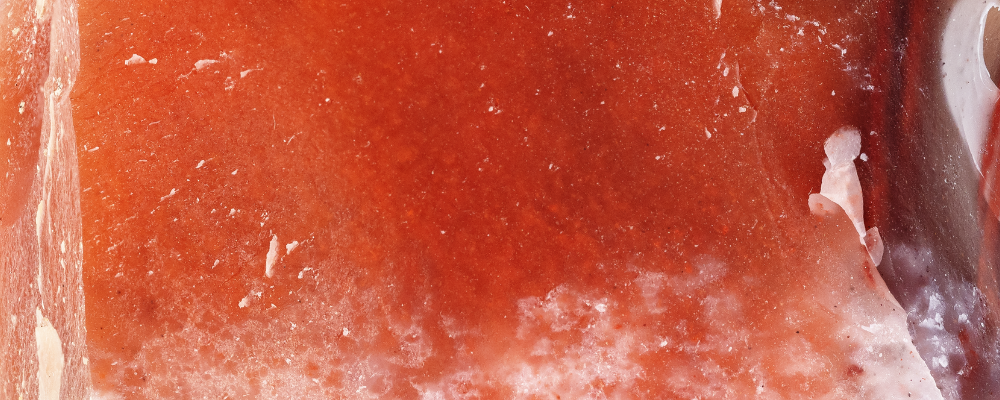
A solar stone of victory, eloquence, and courage, Carnelian accompanies public speaking, conflicts one wishes to navigate with dignity, and projects that demand a clear decision. Its flesh-and-fire color has given it a rich history: seals, amulets, intaglios, protection against enchantments, and talismans of contentment.
Carnelian has one of the richest lineages in the Mineral Grimoire. It was carved in ancient Egypt and the Mediterranean world, praised by Marbod, taken up by Albert the Great, and then associated with the Sun, the Lion, and victory. Contemporary magic adds eloquence, peace, and sexual energy.

To place this stone among related minerals, compare it with Agate, Blue Agate, and Dendritic Agate.
The Flesh-Colored Chalcedony
Carnelian is an orange to reddish-brown Chalcedony colored by iron. Its fine texture takes engraving very well, while its hardness, close to 7, withstands use. The hues can be intensified by heat, an ancient practice applied to Chalcedony.
The Met houses Carnelian amulets and seals that show the place of this material in personal objects. Its magical value comes as much from its color as from the possibility of inscribing a name, figure, or formula on it.
Seals, scarabs, and the memory of the name
Carnelian appears in beads, scarabs, and intaglios from Egypt, the Near East, and the Greco-Roman world. An engraving transforms the stone into a sign of identity, authority, or protection. Impressed in wax, the seal commits the name of its bearer.
This function remains very much alive in a ritual: placing Carnelian on a signature, a speech, or a promise. It does not merely provide momentum; it binds action to the name and to responsibility.
Contentment, victory, and defense
Kozminsky brings together several traditions in his 1922 work. He cites Marbod, attributes protection against witchcraft and fear to Albert the Great, then presents Carnelian as a stone of victory, contentment, and mastery in disputes.
He places it under the Lion and the Sun. He also reports a Rosicrucian reading in which the stone represents the strength of faith. These attestations provide a solid foundation for workings of courage, defense, and confidence.
Carnelian is not merely a stone of vitality. Its ancient functions concern the engraved name, victory, defense against enchantments, contentment, and dignity in conflict. Public speaking naturally extends this history.
Sun, Fire, and eloquence
Scott Cunningham places Carnelian under the Sun and Fire. He uses it for protection, peace, eloquence, courage, and sexual energy. He also recalls Renaissance amulets engraved with a sword or a warrior to defend the home.
Worn around the neck or kept near the text, it accompanies a speech, an interview, and any exposed public speaking. The Sun gives presence; Fire sets the voice in motion; engraved Chalcedony reminds us that every word carries weight.
Victory without anger
Carnelian is suitable for situations in which one must win without losing self-control. Before a confrontation, write down the desired outcome and the behavior you refuse to adopt. Place the stone between the two.
It also supports creation, desire, and a return to action. For this work, choose a concrete request: finish, present, defend, or decide. The stone supports taking action, not aimless agitation.
The solar seal of speech
On a Sunday, place the Carnelian on the text you need to recite. Light an orange candle, then read the most difficult passage three times: first slowly, then at full voice, and finally with the tone you want to maintain before your audience.
Pass the stone over your signature or along the bottom of the first page without marking the paper. Wear it while speaking. After the ordeal, note what was upheld and what needs correcting before undoing the consecration.
Correspondences and references
| Reference | Correspondence |
|---|---|
| Nature | Orange to reddish-brown chalcedony |
| Planet | Sun |
| Sign | Leo according to Isidore Kozminsky |
| Element | Fire |
| Day | Sunday |
| Areas | Victory, courage, eloquence, protection, contentment, and desire |
| Figures | Sword, warrior, seal, and solar heart |
| Ritual gesture | Place on a text, signature, or resolution |