















































































































































































































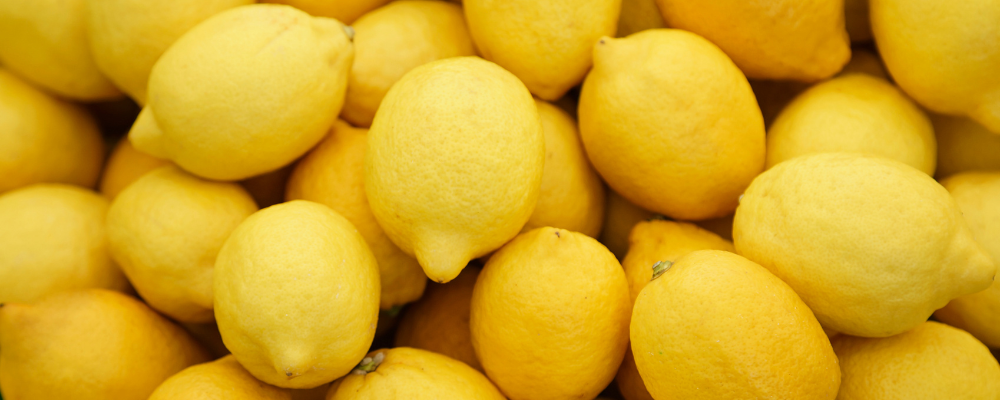
The Lemon embodies a clear tension: luminous skin, acidic pulp, and a fragrance that fills the room as soon as the fruit is opened. Pharmacy books separated its peel from its juice, painters unfurled its rind across luxurious tables, and magical practices made its blackening the visible sign of an action in progress.
The entry concerns Citrus × limon (L.) Osbeck. This cultivated lemon tree is a complex hybrid. It must not be confused with the citron tree, Citrus medica, whose fruit, called the etrog, is used in the Jewish festival of Sukkot. The stories associated with the etrog belong to the citron, even though the names vary from one language to another.
The Lemon offers precise magical material when its actual traces are followed: aromatic peel, cut fruit, acidity, limited shelf life, and changing color. The proposed practice uses these characteristics as a language of clarification and stated intent, without promising that a fruit absorbs an invisible force.
Identify Citrus × limon
Citrus × limon belongs to the Rutaceae family. The lemon tree is a small evergreen tree with leathery, aromatic leaves, white flowers tinged with purple, and fruits whose peel contains numerous oil glands. The pulp is divided into segments filled with acidic vesicles.
Kew accepts the Lemon as a cultivated hybrid derived from Citrus maxima, Citrus medica and Citrus reticulata. Its long history of selection makes the idea of a simple wild origin misleading. Kew, Citrus × limon.
The peel comprises a colored part rich in aromatic compounds and a thicker white part. The juice and peel therefore have neither the same composition nor the same history of use. The pharmacopoeias of the early modern period even classified the outer peel as hot and the pulp or juice as cold.
This material division gives the fruit its visual power. The surface carries the fragrance and color; the core cuts through with acidity. A ritual practice faithful to the Lemon can thus distinguish what is displayed, what protects, and what cuts short.
The Lemon and the Citron, Two Distinct Histories
European words muddy the trail. In French, “citron” means the English lemon, while the English word citron means citron. Latin authors and later translations add further shifts between citrus, citron, lemon, and orange.
Archaeobotany makes it possible to distinguish the seeds and remains of several citrus fruits. The AGRUMED project recalls that the citron appeared early in the Mediterranean, while other citrus fruits followed different routes and timelines. AGRUMED project, the Mediterranean history of citrus fruits.
The etrog of Sukkot belongs to Citrus medica. Transferring this identity to the yellow culinary lemon erases the identity of the ritual plant and the religious context that gives it meaning. The Lemon has its own history, later in Europe, linked to gardens, trade, the table, and pharmacy.
This distinction also sheds light on magical practice. A similar name is not enough to inherit a rite. The reader gains a more accurate fruit: not a universal citrus fruit, but a hybrid that arrived by human routes and became familiar through cultivation.
Hot Peel and Cold Heart in the Books
In the pharmaceutical tables published with Nicholas Culpeper's herbal, lemon juice is listed among the cold substances. The white part of the peel is described as moist, while the aromatic outer skin is said to be hot. The “lemon pills,” meaning the peels, are associated with the heart and stomach.
This reading by degrees comes from humoral medicine. It does not describe the measured temperature of the fruit. It constructs a symbolic anatomy: the acidic interior cools, while the fragrant exterior warms and sets things in motion. Nicholas Culpeper, The Complete Herbal.
The Lemon carries two modes within a single fruit. The peel radiates and the juice tightens. The old book makes visible an opposition that cutting can still allow us to feel.
This opposition suits discernment work. The peel can represent what must remain legible around you; the juice, the decision that removes the excess. The meaning comes from the fruit's structure and from an identifiable historical classification.
The Pierced Lemon and Visible Time
The Museum of Witchcraft and Magic in Boscastle preserves a blackened lemon pierced with pins, thread, and wax. The museum presents it as a modern version of a charm from southwest England: hidden near a targeted person, the fruit was meant to dry out while the spell ran its course. Museum of Witchcraft and Magic, black lemon with pins.
The object belongs to a specific hostile practice from southwest England. Its power lies in its materiality: fresh fruit turned black, threads that bind, points that pierce, and concealment in the house. The time of the spell can be read directly in the drying of the Lemon.
The grimoire can revisit the theme of visible change without reproducing malice. A dried lemon marks time, the end of a period, or the cost of resentment held for too long. Observation replaces the idea of acting at a distance on another person.
In 17th-century still lifes, the long lemon peel also unfolds the passage of time among the glasses, spices, and tableware. The fruit thus brings together imported luxury, sensual pleasure, and decay already underway.
Cutting things short and making the boundary visible
Draw a yellow circle on a sheet of paper, then divide it in two. In the first half, write what you protect. In the second, write what you end. Use concrete nouns: an hour, an expense, a conversation, access, or a task.
Draw a spiral peel around the circle. Place three marks on this spiral to indicate the acts that make the boundary real. A decision without a gesture remains vague; the date, the message sent, or the closed door gives it form.
Place an image of a lemon or the closed product near the sheet, then reread the half devoted to protection before the half devoted to completion. Put the page away as soon as the three acts are completed. No cutting fruit, needles, ingestion, or skin application is necessary.
Historical correspondences
| Reference point | Correspondence |
|---|---|
| Botanical name | Citrus × limon (L.) Osbeck |
| Species to distinguish | Citrus medica, citron and etrog |
| Materials | Aromatic peel, white pith, and sour juice |
| Book source | Culpeper’s pharmaceutical tables |
| Magical fields | Clarification, limit, term, and visible time |
| Safe form | Writing, drawing, and closed product |
Find Lemon in the Apothecary
Aeternum currently offers a Lime essential oil. For work related to purification or protection, also browse the Purification and Protection sections.










