



What if an ancient grimoire could grant its practitioner extraordinary wisdom, without years of study or a teacher to guide them, promising the acquisition of universal knowledge through prayers and sacred visions? Such a work exists in the occult tradition: it is known as the Notory Art, called Ars Notoria in Latin. This medieval text is attributed to King Solomon himself. An exploration.
Origins and Historical Legacy
According to legend, the Notory Art was revealed to King Solomon by an angel, which would explain the extraordinary wisdom demonstrated by this biblical king. Followers claim that Solomon recorded these secrets in a small book so that others could follow his path. Historically, the first concrete traces of the Notory Art appear toward the end of the 12th century in Italy, particularly around the University of Bologna. At that time, certain scholars on the margins of official schools copied and studied this mysterious text, which circulated in Latin. Over the course of the 13th and 14th centuries, the grimoire grew in reputation: monks, scholars, and even alchemists took an interest in it, hoping to find a path toward absolute knowledge that surpassed traditional methods of learning.


This quest for knowledge through occult means quickly concerned the Church. In 1323, a Benedictine monk named John of Morigny, who practiced the Notory Art while incorporating it into a devotion dedicated to the Virgin Mary, was condemned for heresy by the University of Paris. A few decades later, in 1402, Chancellor Jean Gerson issued an official condemnation of the Notory Art, denouncing it as a dangerous spiritual curiosity. For theologians of the period, claiming to obtain knowledge without human effort amounted to tempting God—some even went so far as to accuse the practice of involving a hidden pact with the demon. Despite these prohibitions and anathemas, the manuscript of the Notory Art continued to circulate clandestinely. During the Renaissance, occultists and alchemists are known to have consulted it discreetly, fascinated by the ideal of infused knowledge bestowed by Heaven.
Practices and Rituals of the Notory Art
Unlike ceremonial magic, which invokes entities, the ritual of the Notory Art is primarily a discipline of prayer and contemplation. The practitioner commits to a strict routine of fasting, devotion, and meditation on sacred figures. The text of the Ars Notoria provides a series of Latin prayers interspersed with words of power drawn from ancient languages—it contains divine and angelic terms in Hebrew, Greek, and Latin, sometimes mixed with enigmatic sounds whose language of origin is uncertain. These mysterious words and holy names are recited softly or chanted again and again until they plunge the officiant into a state of intense spiritual receptivity.
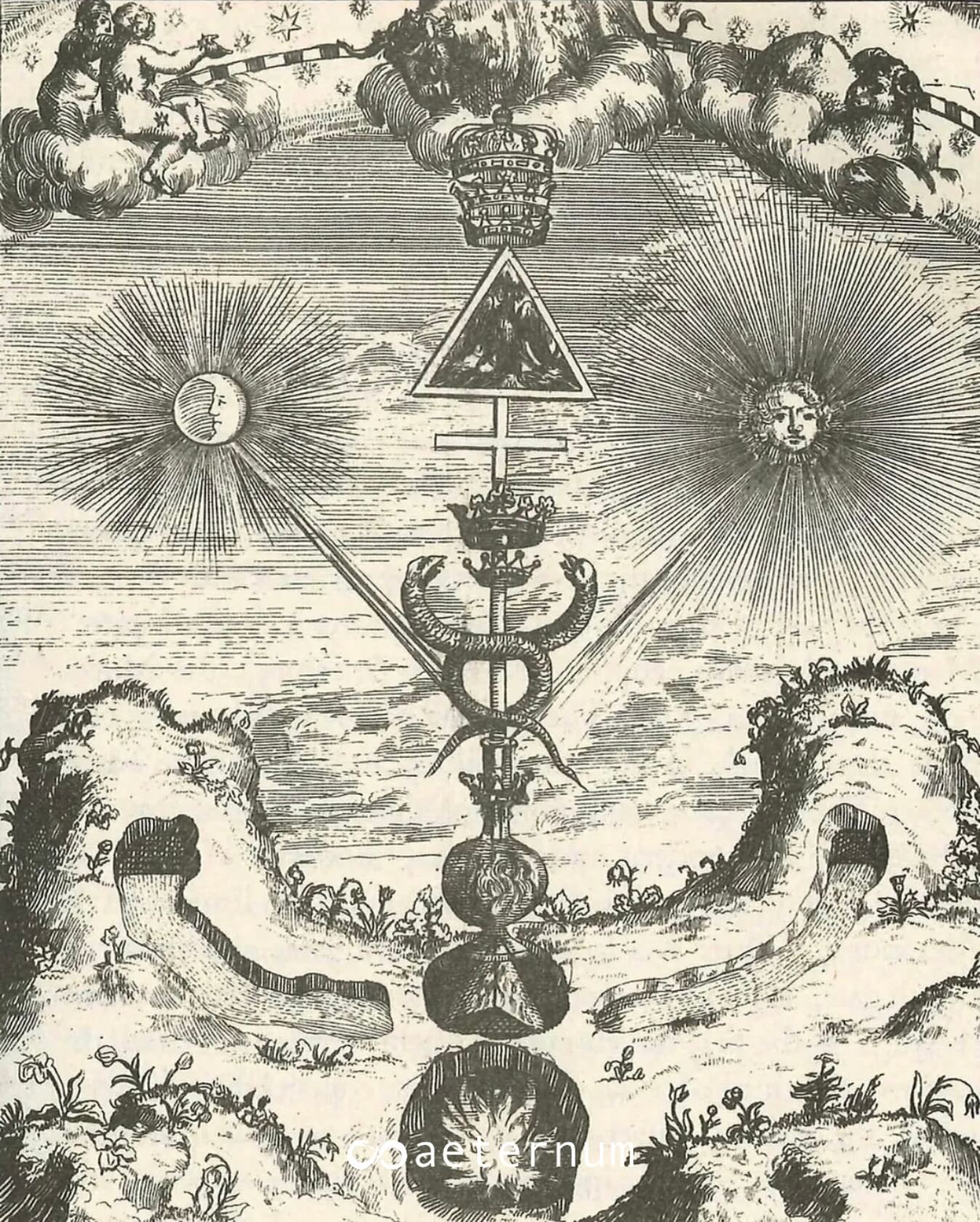
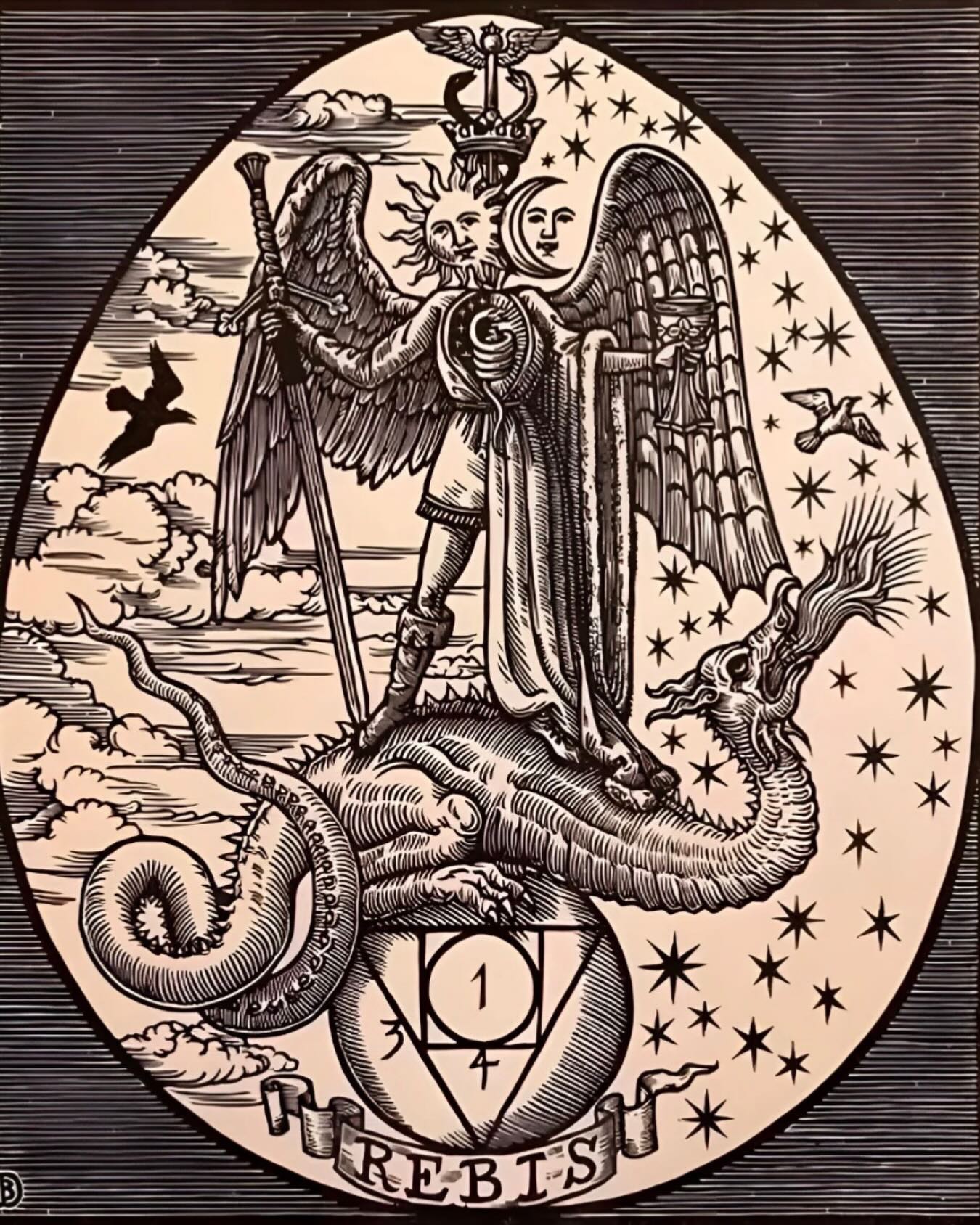
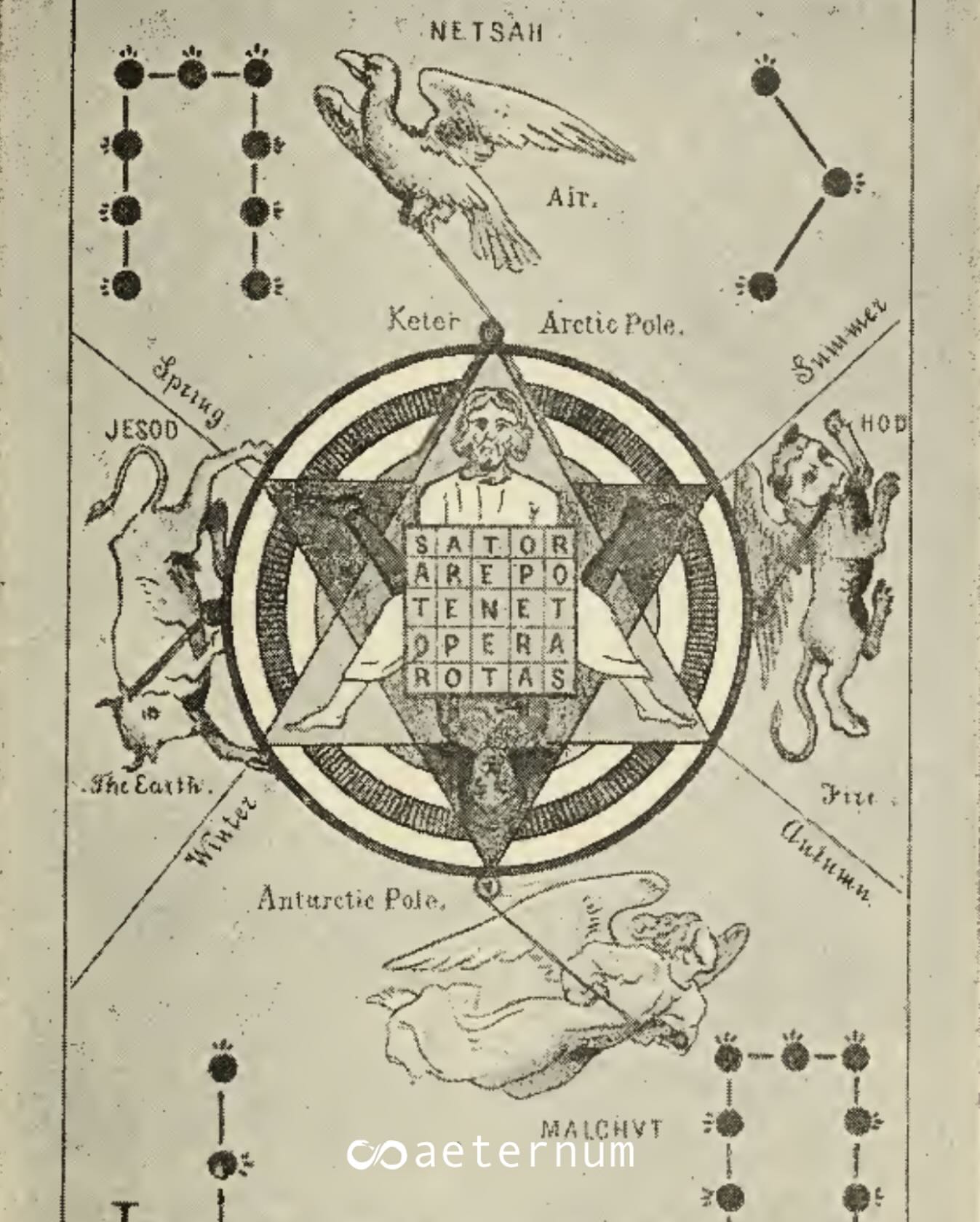
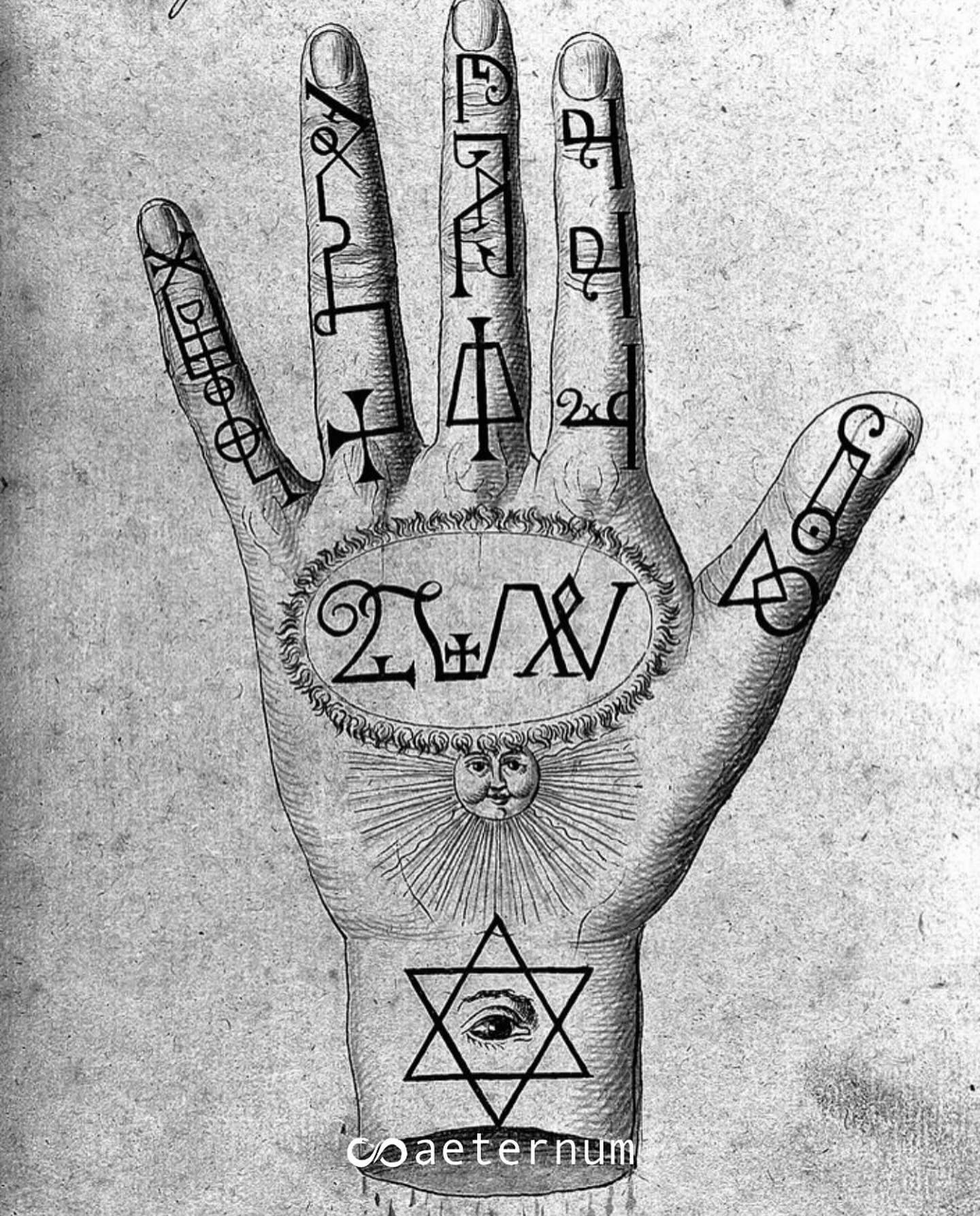
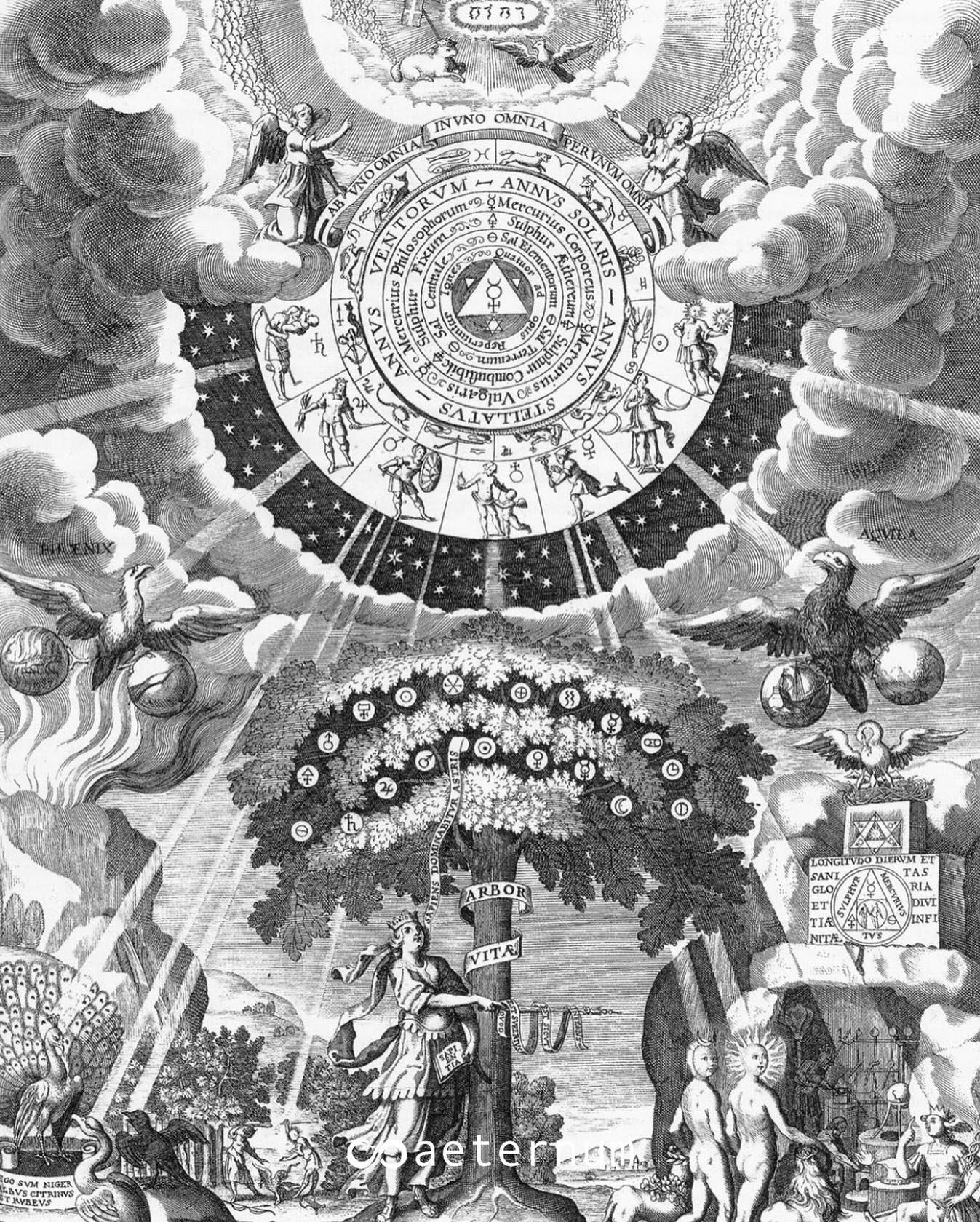
Alongside these prayers, the adept must carefully contemplate esoteric images and signs called notes (or notae in Latin). Each of these geometric figures symbolizes a branch of knowledge or a virtue of the spirit. There are notes associated with grammar, logic, music, and astronomy, as well as with more spiritual fields such as theology. The ritual specifies that these images must be observed at precise times, often in connection with lunar cycles or the canonical hours of prayer. One recommended practice is to choose the first days of the new moon to perform certain invocations at sunrise. During these moments, the practitioner—purified by weeks of fasting and preparatory prayers—fixes their gaze on the appropriate figure while reciting the corresponding prayer. The desired state of mind is one of absolute concentration, in which the mind is emptied of everything except the sacred intention of receiving knowledge.
The grimoire demands exceptional fervor and perseverance. It recommends following cycles of prayer for several consecutive weeks, without faltering, and adopting a devout life throughout the process. The texts advise regularly attending religious services, practicing abstinence on certain days, and redoubling one’s humility. It is a true spiritual journey: the Notory Art is not an instant magical formula, but a collection of rituals extending over long periods, with each stage bringing the practitioner’s soul a little closer to the light of the knowledge being sought.
The Promise of Absolute Wisdom
Why make such efforts and show such devotion? Because the hoped-for reward is extraordinary. The Notory Art promises nothing less than an understanding of all the sciences and arts, granted directly through divine grace. In the medieval period, this meant mastering the seven liberal arts of the trivium and quadrivium—grammar, dialectic, rhetoric, arithmetic, geometry, music, and astrology—to which philosophy and theology were added. In other words, the practitioner aspired to become the equal of a universal sage, capable of speaking eloquently, reasoning accurately, memorizing countless pieces of knowledge, and excelling in both the humanities and the sciences.
Ancient testimonies describe incredible effects among those who carried the ritual through to its completion. It is said that after performing the ceremonies of the Notory Art, some experience a sudden clarity of mind, as if a veil had been lifted from their intellect. Their memory is said to be greatly enhanced—the practitioner may remember entire pages of text or details they had only glimpsed. Their eloquence becomes natural and powerful, allowing them to present complex ideas with ease, even without prior preparation. Above all, they gain an intuitive understanding of entire disciplines: mathematics seems to “speak” to them almost spontaneously, foreign languages appear to decipher themselves, and the secrets of nature seem less obscure. The Notory Art leads toward a state of intellectual illumination in which knowledge is no longer a mountain to climb step by step, but a revelation that suddenly fills the mind of the fervent devotee.
Such a promise may seem incredible, and it already seemed so to many medieval contemporaries. Yet it is important to understand the appeal this grimoire held in its time. In the Middle Ages, access to knowledge was long and arduous, reserved for an elite with the means to study for many years. The idea that a secret path existed for obtaining knowledge without facing these constraints was bound to appeal to brilliant minds frustrated by the barriers of their era. The Notory Art offered hope of total knowledge, obtained not through laborious study but through inner illumination—in a sense, a miraculous gift granted by God to souls sufficiently prepared and worthy to receive it.
Occult Legacy
Despite religious prohibitions and the passage of time, the Notory Art has never completely disappeared from occult circles. Of course, the practice remained discreet, transmitted through handwritten copies and later through limited-print publications. In the 17th century, the Notory Art was incorporated as the fifth and final book of the famous Lemegeton, or The Lesser Key of Solomon, which compiles magical arts attributed to King Solomon. Its inclusion in this collection helped preserve its contents into the modern era.
Today, the Notory Art remains a subject of curiosity for occultism enthusiasts, even though it is rarely practiced in its entirety, given the uncommon dedication it requires. The available manuscripts and translations are studied for their symbolic and spiritual richness. If only in theory, it represents the idea that beyond the ordinary limits of the human mind, there may exist a direct bridge to divine knowledge.
At its core, the Notory Art embodies the human aspiration to infinite knowledge offered by the sacred. For the convinced occult practitioner, this grimoire is a demanding path toward absolute knowledge... but at what cost?