















































































































































































































To place this metal in its material and historical context, compare it with Tin, Bronze, and Iron.
Lead is a dense and malleable metal, known since Antiquity for its various practical and esoteric applications. In magic, it is renowned for its protective properties and its ability to absorb negative energies.
1. What is the technical and scientific profile of lead?
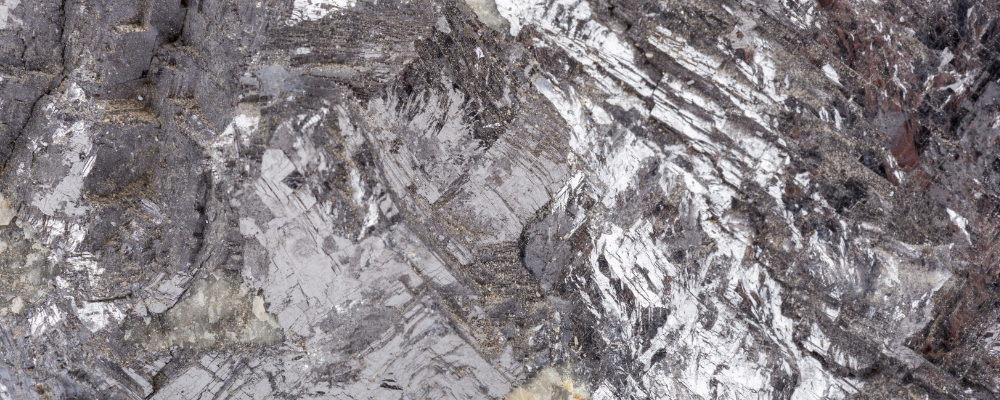
Lead, with the chemical symbol Pb (from the Latin plumbum), is a metallic element with atomic number 82. It is characterized by its bluish-gray color, high density (11.34 g/cm³), and great malleability, making it easy to shape. Its hardness on the Mohs scale is 1.5, ranking it among the softest metals. Lead is a poor electrical conductor and is corrosion-resistant, forming a protective patina on its surface when exposed to air. It is mainly extracted from ores such as galena (lead sulfide, PbS).
2. Where are the lead deposits?
Lead deposits are found worldwide. The main producers include China, Australia, the United States, Peru, and Mexico. In Europe, notable deposits are located in Sweden, Ireland, and Spain. Lead is generally extracted as a byproduct of mining zinc, silver, and copper ores.
3. How rare is lead?
Lead is relatively abundant in the Earth's crust, with an average concentration of about 14 parts per million. Although widely available, its extraction and use are strictly regulated due to its toxicity and environmental impact.
4. What are the psychic virtues and benefits of lead in magic?
In magic, lead is associated with protection and the neutralization of negative energies. It is used to guard against hexes, curses, and harmful influences. Lead is also employed in rituals of banishing and purification, helping to dissipate stagnant or harmful energies.
5. What is the history and origin of the name lead?
The word "lead" derives from the Latin plumbum. Used since Antiquity, lead was employed in the making of pipes, containers, pigments, and amulets. In alchemy, it was associated with the planet Saturn and symbolized the raw material to be transformed into spiritual gold. Lead was also used in magical practices for its protective properties and its ability to absorb negative energies.
6. What are the known variants of lead?
Lead mainly appears in metallic form, but it also forms compounds with other elements. The most common lead minerals include galena (lead sulfide), cerussite (lead carbonate), and anglesite (lead sulfate). These compounds have historically been used in the manufacture of pigments, ceramics, and other industrial applications.
7. What are the correspondences of lead in magic?
In magic, lead is associated with the planet Saturn and the element Earth. It is linked to energies of protection, limitation, and structure. Lead is used to establish energetic barriers, protect against negative influences, and ground spiritual energies into material reality. It is also connected to deities related to death, time, and transformation, reflecting its connection to natural cycles and transmutation.
8. What are the legends associated with lead?
In alchemy, it was considered the raw material to be transformed into gold, symbolizing the potential for spiritual transformation. Lead was also used in magical practices to protect against curses and malevolent spirits, due to its ability to absorb and contain negative energies. Some traditions attribute to lead the power to confer invisibility or protect against illnesses, reflecting its reputation as a metal with mystical properties.
9. What are the methods of purification and recharging of lead in magic?
To purify lead used in magic, it is recommended to rinse it under running water or place it on a bed of sea salt for several hours. Being sensitive to oxidation, it is advisable to dry it thoroughly after purification. To recharge it, exposing it to moonlight, especially during the new moon, is appropriate, as this strengthens its transformative and protective properties. It can also be placed on an amethyst cluster or a quartz cluster to restore its vibrational energy.
10. What are the other names of this metal?
Lead is also known by its Latin name plumbum, which gave rise to the term "plumbing" due to its historical use in pipe making. In alchemy, it was also called Saturnium in reference to its association with the planet Saturn. In some esoteric traditions, lead is also referred to as the metal of Saturn or the metal of melancholy, reflecting its planetary correspondences and symbolic attributes.










