

















































































































































































































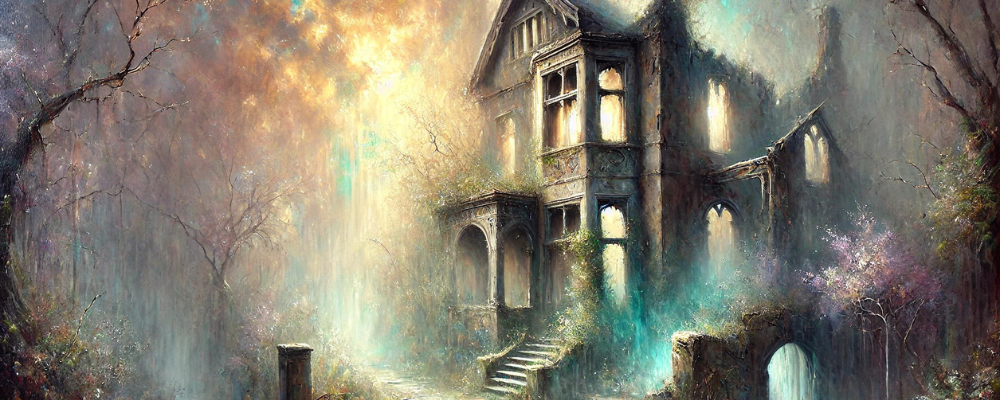
Seeing an abandoned or ruined house in a dream symbolizes aspects of your past, psyche, or emotional life that have been neglected or left behind. This type of dream often reflects a feeling of loss, obsolescence, or regret, but it can also represent an opportunity for rebuilding, healing, or transformation. The house is a metaphor for your inner being, and its condition reflects your emotions, memories, or experiences.
To explore this further, observe the light (gray, golden, twilight), the smells (dust, dampness, wood), the sounds (silence, echoes, wind), and your bodily state upon waking (heavy chest, full breath, tight throat). Keep a journal with four sections: “most striking room,” “key object,” “dominant emotion,” and “small concrete action for the day.” This mapping transforms the dream visit into a practical path toward repair (sorting, writing, calling, bringing closure).
What condition is the house in?
If the house is in ruins, with collapsed walls or dilapidated rooms, this may represent emotional wounds or aspects of yourself that you have ignored. An abandoned but still-standing house may symbolize memories or opportunities from the past that are waiting to be revisited or reintegrated. Details of the house, such as broken furniture or objects left behind, may offer clues about specific areas of your life that require your attention.
Refine the interpretation through the details: cracks (weakened boundaries), a leaking ceiling (uncontained emotions), boarded-up windows (protection turned into isolation), stuck doors (access to be regained). Brief exercise: choose one “area” (walls, roof, windows) and translate it into a real-life action - strengthen a boundary, contain an emotion (writing/breathing), or reopen a dialogue.
How do you feel about this house?
If you feel sadness or melancholy, this reflects an emotional connection to the past or a loss that you have not yet fully overcome. If you are curious or intrigued, this may indicate a desire to revisit memories, reconsider your choices, or understand parts of yourself that you have set aside. A feeling of fear or worry may symbolize repressed emotions or aspects of your past that you avoid confronting.
Connect emotion and body: heavy chest (grief), knotted stomach (apprehension), clenched jaw (control), full breath (openness). Upon waking, formulate a nonjudgmental statement of truth (“Right now, I feel... and I need...”), then choose one consistent, very small action (call an ally, throw away an obsolete object, schedule some rest).
Do you enter the house or stay outside?
If you enter the house, this symbolizes an exploration of your past or buried emotions. This action may indicate a desire to heal or reintegrate parts of yourself that you have set aside. If you stay outside, this may reflect hesitation or a fear of facing your memories or uncomfortable truths.
If you enter, note the first room you visit: living room (social connection), kitchen (emotional nourishment), bedroom (intimacy), attic (memory). If you stay outside, identify the exact threshold blocking access: it indicates the step you need to prepare for (information, support, time). Small step: write the “request” that would open the door (to yourself or someone else).
What is the origin or history of this house?
If the house seems familiar, like a former home or a known place, this may reflect specific memories or experiences from your past. An unknown but abandoned house may symbolize unexplored aspects of your psyche or unrealized opportunities. The feeling of a forgotten past or lost potential may be at the heart of this dream.
Ask yourself: what inner period does it refer to (childhood, the beginning of your career, a significant relationship)? Identify the lesson left on the doorstep (saying no, asking, creating, repairing). Exercise: write a short “historical record” of the house (3 dates, 3 facts, 1 value to retain) to integrate it without becoming confined by it.
Is the house surrounded by other significant elements?
If the house is isolated, this may symbolize a feeling of loneliness or abandonment in one area of your life. If it is surrounded by elements such as an overgrown garden, a forest, or similar buildings, this may reflect influences or contexts that contributed to its condition. These details offer clues about the relationships or situations that have shaped your current emotions.
Read the landscape: tall grass (neglect), rusty gate (access to be restored), absent neighbors (lack of a support network), well-worn path (a way back). Seeing an esoteric shop nearby may indicate a search for meaning and a desire to ritualize your inner restoration (closing ritual, intention, gratitude). Choose one symbolic “tool” from the setting and translate it into a real resource.
What is the spiritual meaning of this dream?
Spiritually, seeing an abandoned or ruined house represents an invitation to revisit and heal parts of your past or inner being. This dream may symbolize a call to clear stagnant energies, acknowledge your wounds, and rebuild on more solid foundations. The house, even in ruins, reminds us that everything can be restored or transformed over time through effort and intention.
Integration ritual: symbolically open the windows (4–6–8 breathing, three cycles), “dust off” through 10 minutes of writing, then lay a foundation stone - a guiding phrase (“I rebuild with clarity and gentleness”) and a 15-minute aligned action (sorting, repairing, having an honest conversation). In this way, the dream dwelling becomes an inhabitable place within you again.










