


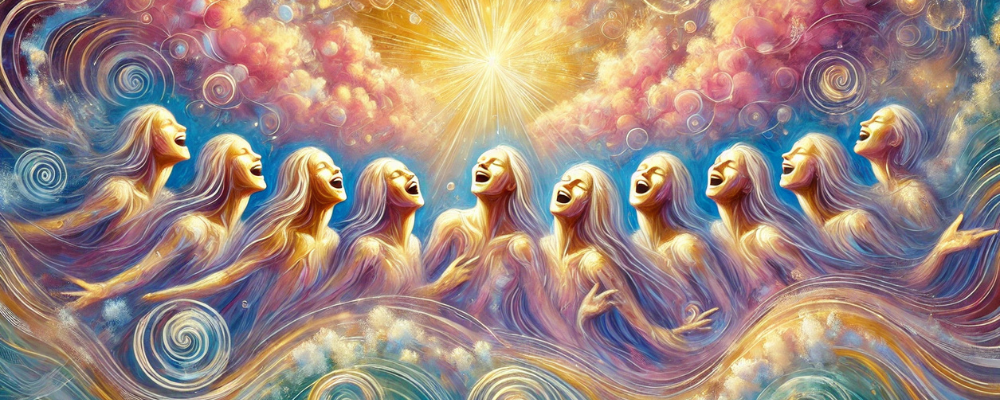
Laughter in dreams is a powerful expression of positive emotions, but it can also reveal tensions or unconscious needs. This dream often symbolizes joy, relief, or a moment of emotional release, while reflecting how you approach life’s challenges. It invites you to explore your deep emotions and recognize what brings you happiness or comfort.





To refine the interpretation, note the tone of the laughter (light, loud, nervous), its rhythm (brief burst, uncontrollable laughter, sneer), and others’ reactions. Record upon waking the sequence of the scene (trigger, intensity, ending): this sheds light on your coping mechanisms — easing tension, creating connection, diverting discomfort — and helps you choose, during the day, an action that respects your authenticity.
Is the laughter in your dream spontaneous or triggered?
When laughter arises spontaneously in a dream, it reflects genuine joy or a feeling of emotional freedom. It is often a sign that you feel comfortable in your current life or that you have found a way out of concerns. If the laughter is triggered by a situation or event in the dream, it may represent a need to release tension or lighten a situation that feels heavy to you. This type of laughter also reveals your ability to find positive aspects, even in complex moments.
Ask yourself: “What does this laughter relieve?” Spontaneous laughter may mark the completion of a challenging cycle; triggered laughter may indicate a strategy to tolerate discomfort. A brief exercise: upon waking, write two columns — what deserves to be lightened by humor, and what requires serious attention (clarification, decision, repair) — to avoid letting jokes mask what’s essential.
Are you laughing alone or with others?
Dreaming of laughing alone symbolizes introspection about your emotional well-being or personal satisfaction. It may indicate that you are at peace with yourself or learning to appreciate your unique qualities. Conversely, laughing with others reflects social connection and harmony with those around you. This type of dream may suggest you are in a phase where your interpersonal relationships are smooth and enriching. If you are surrounded by a group but feel isolated despite the laughter, it may reflect a need for genuine authenticity in your relationships.
Observe the synchrony: do you laugh at the same time as others or out of sync? Shared laughter strengthens belonging; laughter that sounds false within a group signals a tiring social role. A concrete gesture: choose an interaction where you practice the right balance — either daring a genuine laugh or naming your reserve — to align expression and feeling.
Does the setting of the laughter influence its meaning?
The place where you laugh in the dream plays an important role. If you laugh in a familiar or comfortable place, it may symbolize emotional grounding and a sense of security. If laughter bursts out in an unknown or strange environment, it may reflect a need for comfort in the face of uncertainties or an invitation to adopt a lighter perspective toward the unknown. Laughing in an inappropriate or out-of-place setting can also signal an unconscious reaction to stressful situations or difficulty expressing your emotions in waking life.
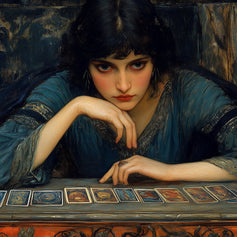
Each setting nuances the message: office (mockery as a release valve), classroom (learning, challenge), transportation (transition), stage (need for recognition). Laughing in an ésotérique shop can evoke the desire to desacralize your spiritual questions to live them with simplicity. Map the scene (lighting, distance to others, visible exits) then choose a concrete “step” to feel freer in a similar context.
Is the laughter sincere or forced?
Sincere laughter in a dream expresses pure emotional release and a surge of happiness. It can be a direct reflection of your inner satisfaction or your ability to embrace life’s simple moments. Forced laughter, on the other hand, may signal a need to hide your emotions or difficulty facing an uncomfortable truth. It can also indicate social pressure or fear of showing vulnerability.
Practical clue: in the dream, sincere joy is felt in the belly and relaxes the shoulders; forced laughter tightens the jaw or tires you. Upon waking, formulate a truthful sentence that replaces the facade (“Actually, I feel…”) and take a coherent action (postpone a commitment, ask for time, express calm disagreement).
What is the spiritual meaning of laughter in a dream?
Spiritually, laughter is a symbol of healing and connection. It reflects a light energy that purifies the heart and mind, inviting you to release accumulated tensions and reconnect with your joyful essence. Dreaming of laughter can also be interpreted as a message from your subconscious encouraging you not to take life too seriously and to find moments of gratitude and wonder, even amid challenges.
To integrate this dimension, practice a mini-ritual: three deep breaths, smile intentionally (gentleness, not performance), then write what your humor protects and reveals. Finally, choose a simple action that honors joy (thank someone, lighten a task, create a moment of play) so that the laughter from the dream becomes a concrete resource during the day.