Introduction to Mercury
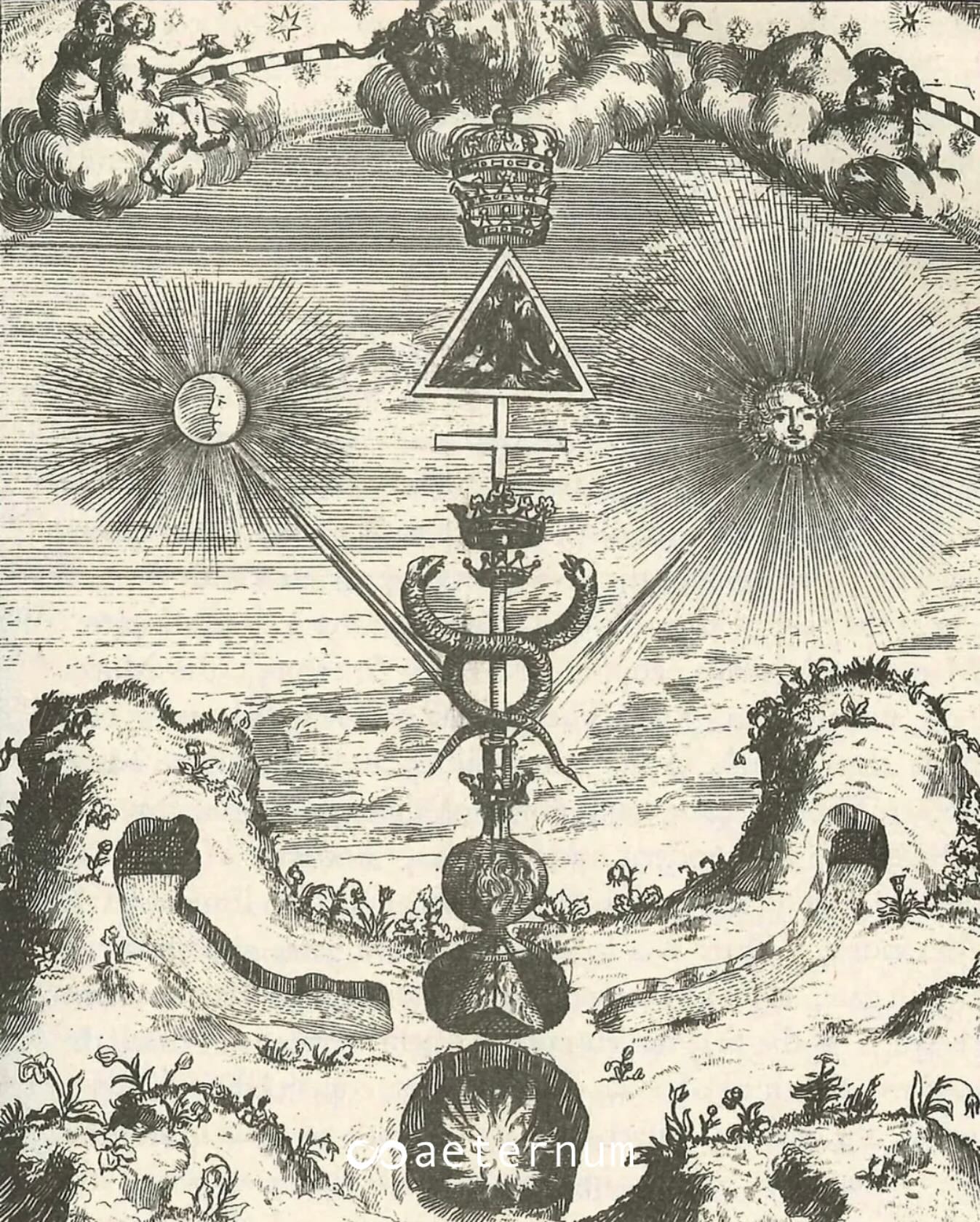
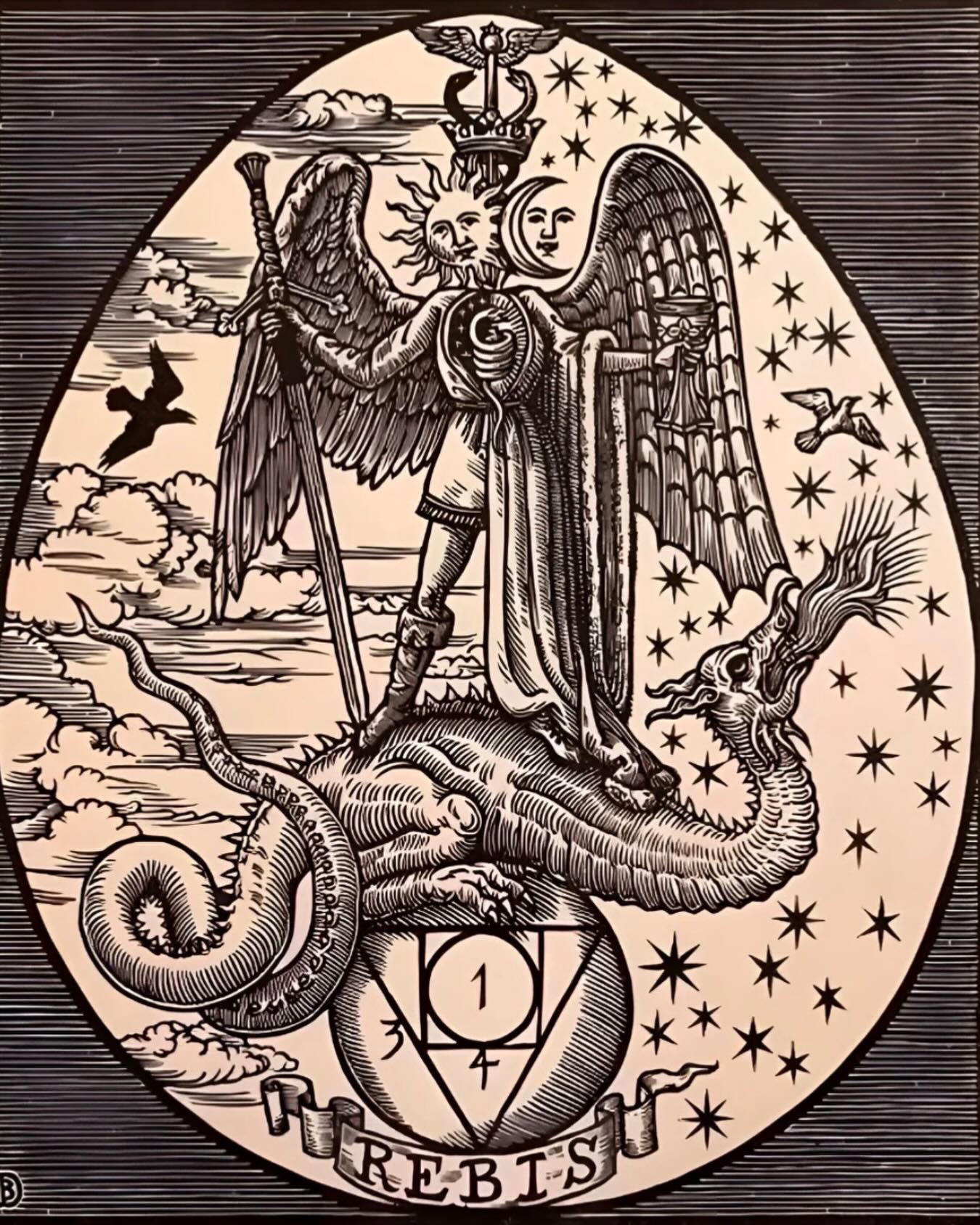
Mercury is the Roman god of commerce, travel, and thieves, and the messenger of the gods. He is often depicted wearing winged sandals, a winged hat, and carrying the caduceus, a staff with two intertwined snakes. Mercury is the Roman equivalent of Hermes in Greek mythology and shares many characteristics with him, including his role as a mediator between the gods and mortals, as well as a guide for souls to the Underworld. He is also known for his mischievous and cunning nature, sometimes playing tricks on the gods.
Correspondence Table for Mercury
| Planet | Mercury |
| Day | Wednesday |
| Number | 5 |
| Colors | Yellow, green |
| Sacred places | Temple of Mercury in Rome, crossroads |
| Offerings | Incense, coins, fruit |
Symbol and Appearance of Mercury
Mercury is frequently depicted as an athletic young man wearing winged sandals and carrying a caduceus. These attributes symbolize speed and his role as a messenger. He is also often associated with the rooster, representing dawn and new beginnings, as well as the tortoise, in reference to his invention of the lyre from a tortoise shell.
Genealogy of Mercury
Mercury is the son of Jupiter and Maia, a mountain nymph. He has several divine half-brothers and half-sisters, including Mars, Apollo, Diana, Vulcan, and Minerva. He is also the father of the Lares, protective deities of homes and roads, with the nymph Larunda. He also had a relationship with Venus, giving birth to Hermaphroditus, a famous androgynous figure in mythology.