



|
1. The youth of La Voisin |
Catherine Monvoisin, better known as La Voisin, is a famous figure of 17th-century France, associated with one of the most notorious criminal cases of her time: the Affair of the Poisons. Considered a seer, a witch, and a poisoner, she exerted influence even in the highest circles of French society. Portrait.
1. The youth of La Voisin
1.1. A modest family
Catherine Monvoisin, born Catherine Deshayes around 1640, was born into a modest background in France. Precise information about her birthplace remains unclear, but it is likely she was from Paris or its surroundings, a region experiencing economic and social growth at the time. 17th-century France was marked by social inequalities and economic hardships for the lower classes, which greatly shaped Catherine's early years. She grew up in a family that, although not wealthy, instilled values of resourcefulness and survival, essential in an environment where superstition and religious faith coexisted with the hardships of daily life.
Few details are known about her formal education, which was common for girls of her social status at that time. The education she received was probably limited and focused on domestic skills necessary to run a household. Nevertheless, Catherine developed an early interest in occult practices and divination, fields that would later define her career. She learned the basics of medicinal herbs and folk remedies, knowledge she would later use in a more sinister way.
1.2. Then a pragmatic marriage
At a relatively young age, Catherine marries Antoine Monvoisin, a tradesman who works as a jeweler. This marriage marks a turning point in her life, offering her some economic and social stability. Antoine, though respected for his trade, fails to provide lasting luxury for his family, which pushes Catherine to seek other ways to support their needs. Catherine's married life is likely marked by financial challenges and domestic responsibilities, but she uses these experiences to strengthen her independence and resourcefulness.
Marriage to Antoine Monvoisin gives Catherine the name by which she will later be known: La Voisin. Although their union is not particularly romantic or passionate, it is based on mutual needs and pragmatic respect. Antoine, while aware of Catherine's activities, seems to tolerate her occult practices, even tacitly encouraging them due to the extra income they generate. Together, they have several children, but Catherine quickly stands out for her side activities that begin to attract the attention of their neighbors and clients.
1.3. And a charisma that will make her reputation
Catherine, with her charisma and divination skills, attracts a varied clientele ranging from neighborhood residents to members of the nobility. Catherine's double life, between her responsibilities as a mother and wife and her activities as a witch and poisoner, demonstrates her ability to skillfully navigate between social expectations and her personal ambitions. Her home becomes not only a family residence but also a center of occult activity, where she practices her dark arts away from prying eyes.
2. The rise as a witch
2.1. Her knowledge of plants
La Voisin's first contacts with magic and witchcraft likely come through local figures, healers, and practitioners of folk magic. She begins to gain a reputation as a wise woman, capable of concocting potions and casting spells. Her growing knowledge of medicinal herbs and occult practices allows her to earn the trust of those who consult her. These early years are crucial for La Voisin, as they allow her to become familiar with the various aspects of witchcraft and divination.
2.2. A woman of influence
As La Voisin deepens her knowledge and skills, she establishes networks with other practitioners of magic and occultism. She partners with alchemists, astrologers, and healers, thus forming a clandestine network of individuals involved in esoteric practices including black masses. These relationships provide her not only with additional knowledge but also some protection from the authorities, as she becomes a respected and feared figure in these circles. La Voisin skillfully navigates this environment, using her contacts to expand her influence and scope of action.
2.3. Mastery of fortune-telling
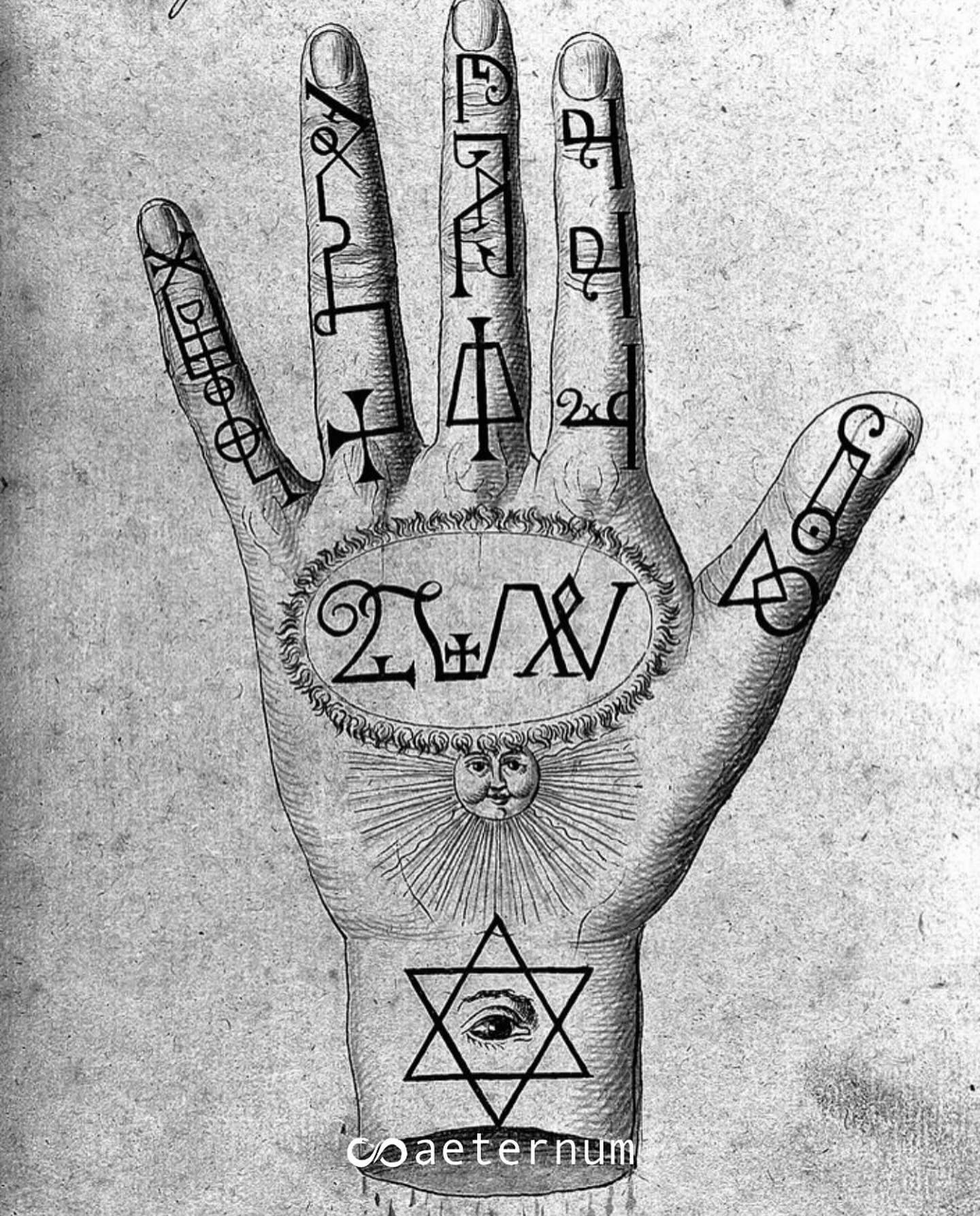
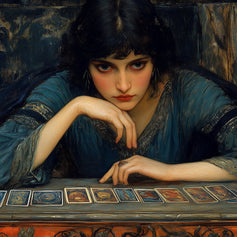
Alongside her immersion in occult networks, La Voisin develops a thriving activity in fortune-telling and magic. She offers divination services, using techniques such as chiromancy (reading palm lines), cartomancy (card reading), and necromancy (communication with the dead). These practices allow her to attract a diverse clientele, ranging from the working class to members of the nobility. Her talent for predicting the future and providing esoteric advice quickly earns her a reputation as a reliable and powerful seer.
La Voisin is particularly skilled in the art of divination. She uses various tools and rituals to offer consultations to her clients. Her predictions are often accompanied by purification rituals, blessings, and protective spells. She also offers charms and talismans, believed to bring luck, love, or success to their bearers. Her ability to manipulate the beliefs and hopes of her clients is one of the key elements of her success. La Voisin's services quickly become popular, and she is recognized for her discretion and effectiveness.
2.4. The angel maker
Her reputation for clandestine abortions is particularly notorious, to the point that many women, often desperate, discreetly sought her services to get rid of their illegitimate children. This specialty earned her the sinister nickname of "angel maker."
According to her own admissions, La Voisin allegedly orchestrated large-scale abortions, burning and burying in her garden the bodies of more than 2,500 prematurely born children.
2.5. Clients from all over Paris
La Voisin's clientele is extremely diverse. She attracts people from all social classes, each seeking to solve personal, romantic, or financial problems. Nobles and courtiers secretly consult her to obtain poisons or potions intended to eliminate rivals or gain the favor of Louis XIV. Bourgeois clients, on the other hand, look for solutions to their daily troubles, ranging from health issues to family disputes. La Voisin knows how to adapt to each person's needs, offering tailored services and ensuring the confidentiality of her consultations. This diversity of clients contributes to her growing influence and the consolidation of her reputation throughout Paris.
3. The Poison Affair
3.1. The court scandal
The Poison Affair is one of the most sensational scandals of the reign of Louis XIV, erupting in the 1670s and exposing a complex network of crimes involving the French nobility. This affair takes place in a context of superstition, political rivalries, and power struggles at the court of Versailles. 17th-century France, despite its grandeur and splendor, is also a place where black magic, poisons, and occult arts are commonly used to settle personal and political disputes. Poisons, in particular, become the weapon of choice for those seeking to eliminate enemies without drawing direct attention.

The poison affair began to attract public attention in 1677, when a series of suspicious deaths among the nobility led to a thorough investigation. Rumors of witchcraft, ritual murders, and poisoned plots spread quickly. The affair gained historical significance not only because of the scale of the crimes revealed but also because it exposed corruption, manipulation, and depravity within the royal court.
The revelation of these scandals led Louis XIV to establish the Chambre Ardente, a special court tasked with judging cases of witchcraft and poisoning.
3.2. La Voisin's involvement
Catherine Monvoisin, through her network, was quickly identified as a central figure in the poison affair. Her activities, considered occult and criminal, were at the heart of the poisoners' network operating in Paris. La Voisin was accused of supplying deadly poisons to a multitude of clients, ranging from ordinary citizens to members of the high nobility. Her house, located in the Montmartre district, became a place for illicit activities, attracting a diverse and desperate clientele.
La Voisin's criminal activities included the manufacture and sale of powerful poisons, such as arsenic and belladonna (a toxic plant well known in witchcraft), as well as performing black magic rituals to ensure their effectiveness. She used her knowledge of herbalism and alchemy to prepare deadly potions, often hidden in medicines or cosmetics.
La Voisin was also involved in "child sacrifices" during occult ceremonies, accusations that deeply shocked society at the time. Of course, these acts were meant to be "spectacular," with these sacrifices likely being abortions of illegitimate children.
Strangely, the documents recounting the black masses were destroyed at the king's request...
3.3. The court's network of influence
La Voisin maintained close relationships with several members of the nobility, who sought her services to get rid of rivals or obtain romantic favors. Among her most notorious clients was Madame de Montespan, the mistress of King Louis XIV, who is said to have used La Voisin's services to secure the king's affection and eliminate her competitors. La Voisin reportedly called upon a priest to organize three rituals involving sacrifices.

These high-level connections illustrate the extent of La Voisin's influence and the depth of corruption at court. The nobles who consulted her were willing to pay considerable sums for her services, allowing her to maintain a relatively comfortable lifestyle.
4. La Voisin's trial
4.1. A witch hunt
La Voisin was arrested on March 12, 1679, after authorities monitored her activities.
The evidence against La Voisin was overwhelming. The objects seized at her home provided material proof of her criminal activities. In addition, numerous testimonies from accomplices and clients strengthened the case against her. Witnesses described in detail the witchcraft rituals, poison sales, and illegal abortions carried out by La Voisin. Some testimonies came from noble figures who, fearing for their lives, cooperated with investigators to obtain clemency. Confessions extracted under torture from some accomplices were added to the case, although their reliability was often disputed.
La Voisin's trial was one of the most publicized events of the time, attracting the attention of all French society. It took place before the Chambre Ardente. The trial began in February 1680 and was marked by an atmosphere of tension and scandal.
La Voisin's trial sparked enormous public and media interest. The newspapers and pamphlets of the time eagerly reported every detail of the trial, fueling popular fears and superstitions. La Voisin's figure became emblematic of the perceived dangers of witchcraft and moral depravity. The public was fascinated by the scandalous revelations about occult practices and plots within the nobility. The case reinforced stereotypes about witches and poisoners, and La Voisin's conviction was seen as a victory for justice and morality. But was she the real culprit or a victim of the court?
4.2. The execution of La Voisin
After a sensational trial, La Voisin was found guilty of witchcraft, poisoning, and other serious crimes. The final verdict condemned her to be burned alive, a common punishment for witchcraft crimes at the time.
Madame de Montespan, for her part, remained the king's protegée and kept her place at court.
La Voisin was thus executed on the current Place de l'Hôtel de Ville in Paris, in a morbid fascination.

It is said that her ashes still float in the air. So, if you pass by, take a moment to pay tribute to this woman, guilty of wanting to help.
[bloctwist]