























































































































As you may know, behind Aeternum is a small business based in Brittany (specifically in the south of Finistère). It is well known that this region lives to the rhythm of legends, myths, and magical practices, some more or less known (Brocéliande, Merlin, the Fairy Viviane, the Alignments, and many others). Thus, to highlight our beautiful region, we will regularly publish little-known legends from Breton history. This week, we head to Côtes-d'Armor.
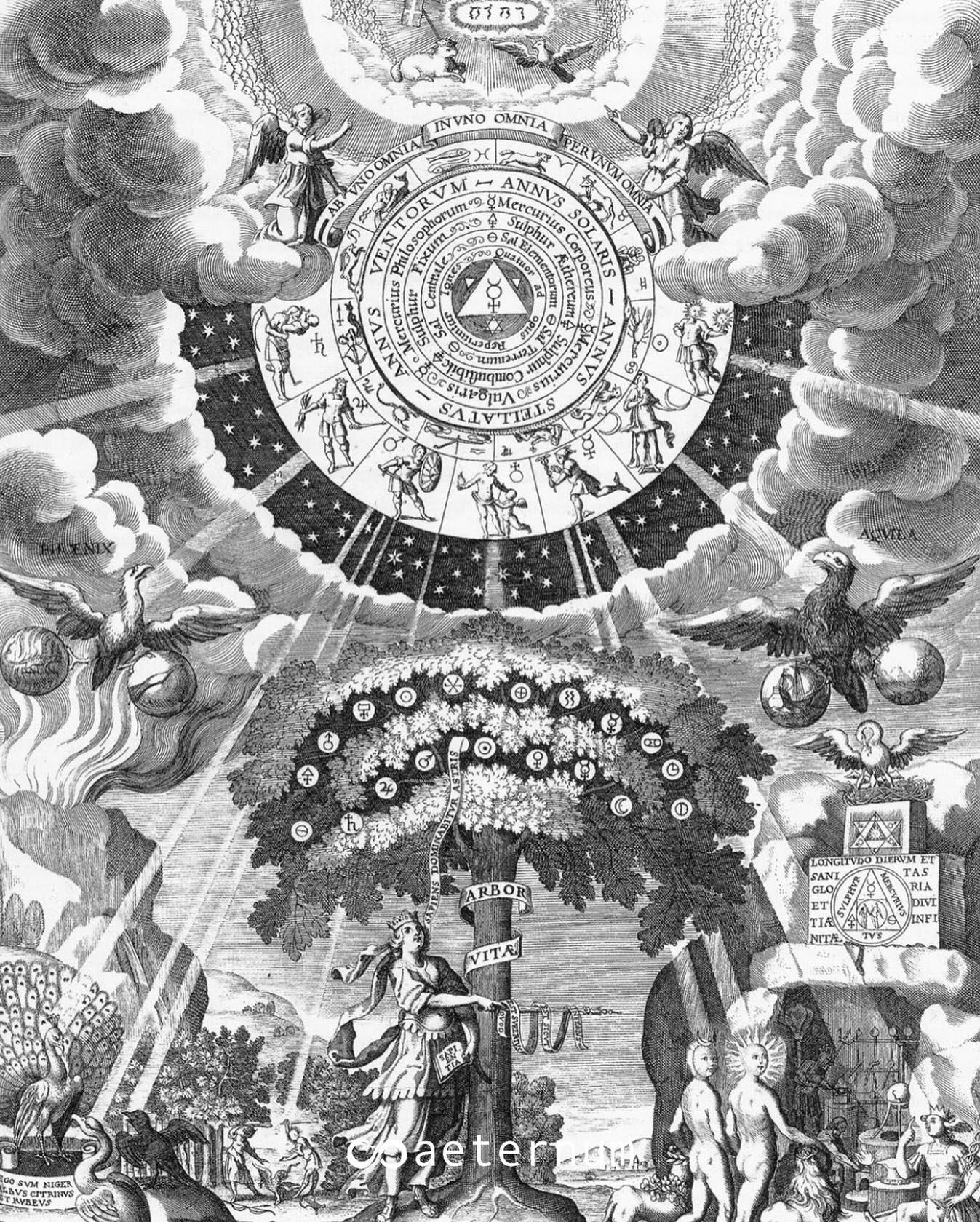
An ancient legend whispers the name of a cursed book: the Agrippa. It is not just a simple grimoire, but a huge volume, as tall as a man, whose red pages are covered with black characters. This book is said to have been signed by the devil himself, but its nickname is inspired by the occultist Cornelius Agrippa. It is said that possessing it grants immense power over invisible forces, but obviously at a price few are willing to pay.
No one can leave such a book within reach. Those who own one hang it from a twisted beam, attached by a heavy rusty chain. It must only be opened in case of necessity, and even then, it must be read backwards, distroiñ anezhañ in Breton, under penalty of being trapped by its curses.
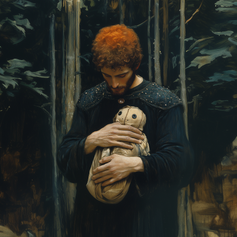
Many have tried to uncover its secrets. Some out of recklessness, others out of greed. There is a story of a curious young man who, taking advantage of the master's absence, dared to touch the Agrippa. No sooner had he turned the first page than an invisible force trapped him in his reading. He could no longer take his eyes off the words scrolling by, and the more he read, the more a cold breath filled the room.
Suddenly, a commotion rose above the house. A flock of black crows descended, flapping their wings furiously. But these birds were not ordinary: they were the devil’s messengers, come to claim a soul. They scratched at the windows, knocked against the walls, circling their prey. Fortunately, the grimoire’s owner, warned by a mysterious instinct, returned in time. He snatched the book from the unfortunate man’s hands and snapped it shut. The crows immediately vanished into the night, and the young man, pale as a ghost, swore never to touch what did not belong to him again.
But the Agrippa did not only grant the power to conjure spirits. In the countryside, some priests owned a copy and knew how to use it to impose order. In those old times, when inns attracted men well beyond reason, these clerics had found a way to bring stragglers home. At nightfall, they transformed into a black dog, appearing at crossroads to frighten those lingering on the roads.

Each parish had its own, and all feared its appearance. It was said that in Plouaret, a huge black dog sat near the calvary. By day, the imprint of its rear remained marked on the ground, where the grass never grew back. And legends of its appearance spread through all the villages, sometimes appearing in a forest, sometimes near a stream.
Those who crossed its path did not linger. It did not attack, but it followed. Silently. Its eyes shone with a reddish light, and its shadow grew with every step. It did not chase the fleeing, but its breath could be heard just behind them, cold and oppressive. The bravest sometimes tried to confront it, but no one ever managed to touch it. It was not made of flesh, but of shadow and taboo.
If the black dog follows you, it was said, never look back. For those who dared meet its gaze disappeared, swallowed by the night...
Additional source: Le Télégramme