



Contents...
|
1. The origins of the myth |
High John the Conqueror, before being a highly sought-after root to attract luck and success, is a legendary figure in African-American beliefs. A symbol of resistance against the cruelty of slavery, this African king who helped fight the masters. This mystical hero has been associated with the Ipomoea Purga root with powerful powers. I introduce you in this portrait to who High John the Conqueror (or Jean the Conqueror) was.
1. The origins of the myth
The figure of High John the Conqueror draws its origins from African history and the African diaspora. This character is often presented as an African prince or tribal chief who crossed the Atlantic with the help of a very special familiar: a giant raven. Unfortunately, once there, he was captured and transported to North America where he was forced into slavery.
Despite his condition, he is described as very cunning, mischievous, even playful towards his oppressors while preserving his integrity and indomitable spirit. He is said to have stolen food, destroyed houses, and gradually instilled a spirit of rebellion. High John thus embodies the fusion of these American and African influences: he is both a trickster (a term describing very intelligent spirits) and a symbol of survival and hope that resonated especially with slaves facing brutal conditions.
Traditionally, High John is not described with detailed precision regarding his appearance, leaving much room for interpretation. However, he is often imagined as a tall and imposing man, with a charismatic presence that inspires confidence and respect.
2. A defiance of the Devil
According to legend, John falls in love with the Devil’s daughter. The Devil, seeking to get rid of John, imposes several titanic, even impossible challenges: he must first clear 25 hectares of land in one morning, then plant corn and harvest it the same afternoon. The Devil’s daughter, an accomplice, gives John an enchanted axe and plow that allow him to accomplish these feats. However, she warns John that her father, the Devil, plans to kill him even if he succeeds. Fleeing together, John and the Devil’s daughter steal the Devil’s horses. Pursued by him, they escape by transforming themselves, thus strengthening his combative and determined spirit for freedom.
On the day of his death, he is said to have transferred part of his spirit into a very particular root that would embody his entire being: the Ipomoea Purga, which took on the name High John the Conqueror in popular language. Thus was born the reputation of this powerful root.
3. The profile of Ipomoea Purga
In the rootwork tradition specific to Hoodoo (root work), the Ipomoea Purga root has been associated with this legendary hero. Ipomoea Purga, also known as Jalap, is a perennial climbing plant of the Convolvulaceae family, native to the mountainous regions of Mexico. It is famous for its beautiful trumpet-shaped flowers and tuberous roots, which have historically been used in traditional medicine.

However, its sought-after powers are only part of what this root can offer.
Indeed, its popularity partly comes from its ritual use by Frederick Augustus Washington Bailey, one of the main reformers, abolitionists, and civil rights advocates for African Americans. But it also comes from an appropriation by "white" pharmacies that even whitened High John’s face on packaging and promoted only some of its qualities, namely attracting women, enhancing virility, and bringing luck.
4. The benefits of the High John the Conqueror root
Indeed, the root of High John the Conqueror (or Jean the Conqueror) is used for a multitude of purposes, notably in mojo bags or as amulets to benefit from its powerful protective power.
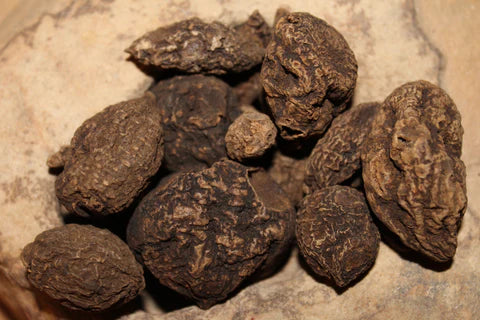
It is used either in raw form or as powder to make oils and to create candles or ritual objects, for example.
It is also strongly linked to sexual magic because its dry form resembles a shape of testicles. It is said to improve pleasure and performance with one’s partner.
And of course, it helps enhance charisma to become a true leader. It is therefore an ideal asset in the professional world.
In general, its versatility allows it to adapt to many magical intentions: protection, attraction, aura, prosperity,... This is also what makes its reputation.
However, be careful: it must never be ingested!
And there you have it, you now know more about this root and especially about the legend full of symbols behind it. Indeed, I believe it is important to understand the value of a magical ingredient in order to use it properly and with respect.