Contents...
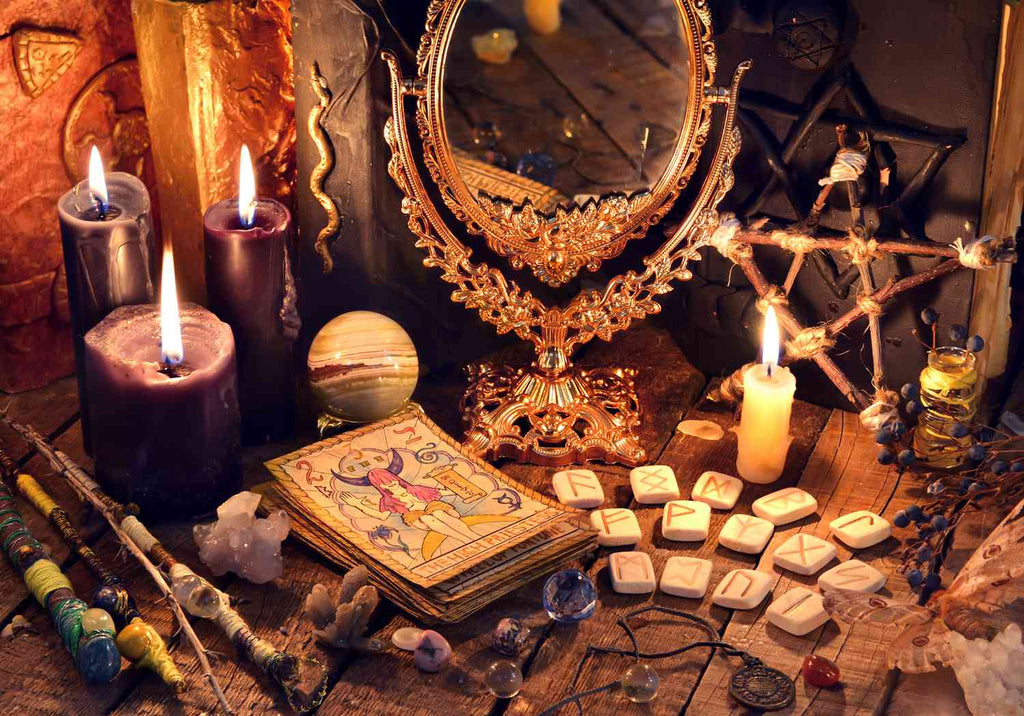
To be precise, there is not one but many divinations, which vary according to method, origin, or simply personal intuition. From the dawn of ancient civilizations to the mystical labyrinths of our time, divination has persisted as a timeless art, exploring the boundaries between the known and the unknown. From the enigmatic oracles of ancient Greece to modern cartomancy cards, this practice transcends eras, offering a unique perspective on the past, present, and future. Let us dive into the fascinating world of divination, exploring its historical roots, contemporary evolutions, and how it continues to illuminate the path of seekers of esoteric truth.
1. Introduction to divinations
1.1. Definition
Divination, a term derived from the Latin divinatio, refers to the act of seeking to know or interpret future or hidden events, often using supernatural, mystical, or symbolic means. This practice transcends cultural and temporal boundaries, finding its place in various civilizations throughout history. Divination manifests in multiple forms, ranging from traditional methods passed down through generations to more contemporary approaches incorporating elements of spirituality and mysticism.
1.2. Historical and cultural importance
Divination, far more than a simple attempt to pierce the veil of the future, established itself as a central element in the complex tapestry of the development of ancient societies. Its presence was particularly palpable in religious, political, and social structures, granting these practices a profound influence on the daily life of past civilizations.
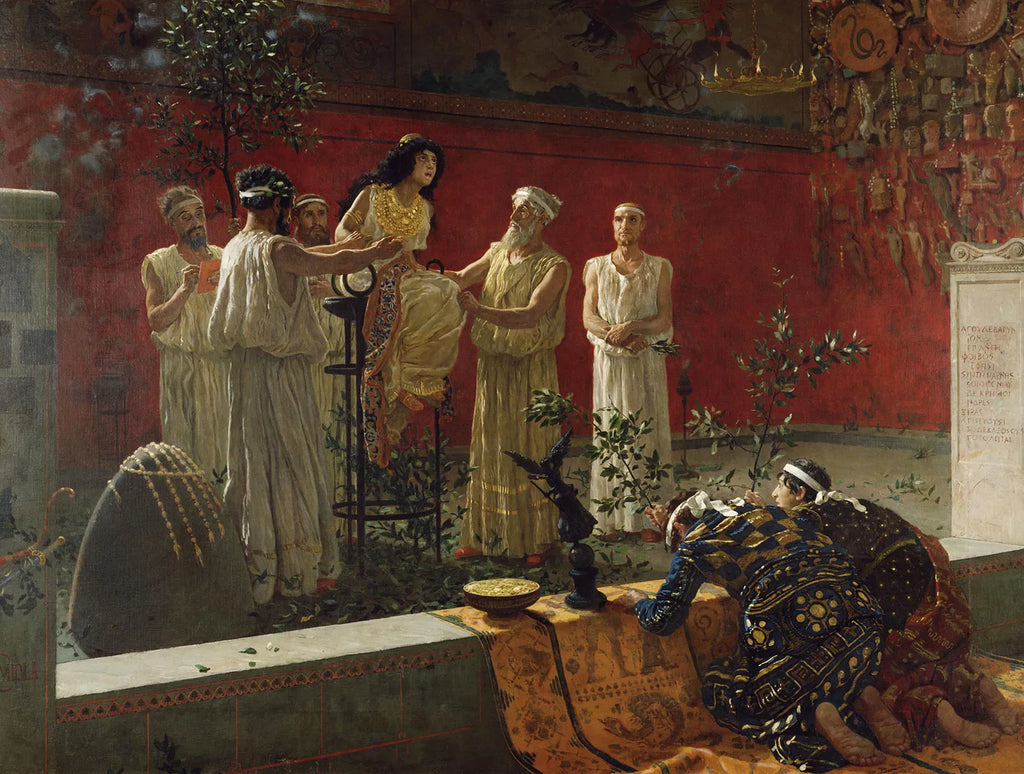
In the religious context, divination was often considered a privileged means of establishing communication with higher powers. The Greek oracles, established in sacred places such as the Temple of Apollo at Delphi, were revered as intermediaries between the gods and mortals. These oracles delivered enigmatic and often metaphorical answers to the questions posed, thus guiding the choices of individuals and leaders in accordance with divine will.
In the political realm, Roman augurs played a crucial role by interpreting signs in the sky, animal behaviors, and other natural phenomena. These omens were considered direct clues to the gods' intentions, providing Roman leaders with spiritual guidance to direct their military and political decisions. Thus, divination was closely linked to the stability and legitimacy of political power.
Chinese civilizations also developed sophisticated divinatory practices, such as consulting the Yi Jing (or I Ching), an ancient Chinese divination text. Chinese seers, using methods such as divination with Achillea Millefolium sticks, were consulted to guide emperors in crucial decisions and to anticipate events that could affect the dynasty.
2. Divination across cultures
2.1. Divination in ancient cultures
2.1.1. Mesopotamia
In the fertile plains of Mesopotamia, the cradle of civilizations such as the Sumerian and Babylonian, divination held particular importance. Mesopotamian seers interpreted celestial signs, natural phenomena, and animal entrails to discern the will of the gods. Cuneiform tablets have been discovered containing detailed records of divinatory practices, highlighting the influence of these methods on decision-making in ancient kingdoms.
2.1.2. Ancient Egypt
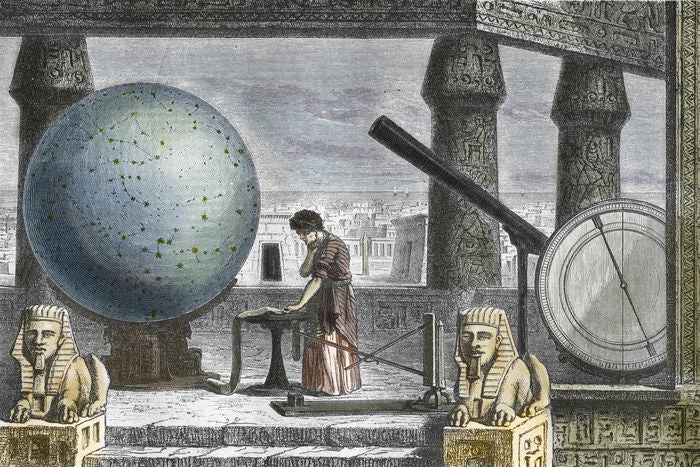
Ancient Egypt, with its rich fabric of mysticism and deeply rooted beliefs in daily life, considered divination an essential means of contacting the divine. Priests and priestesses, central figures in the Egyptian religious system, acted as intermediaries between the gods and mortals, using various divination methods to illuminate the most enigmatic aspects of destiny.
-
Divination through dreams: the ancient Egyptians attached great importance to the interpretation of dreams as a window into the world of the gods. Priests specialized in oneiromancy carefully analyzed dreams, considering images and symbols as messages from the deities. Some dreams were even recorded on papyrus, creating a valuable archive of divine wisdom transmitted through dreams.
-
Observation of birds: divination by observing birds, known as ornithomancy, was a common practice. Priests carefully observed the flight and behavior of birds, attributing specific meanings to different types of birds. The flight of a vulture or an ibis, for example, could be interpreted as a divine omen indicating future events.
-
Reading of animal entrails: haruspicy, or the reading of the entrails of sacrificed animals, was a particularly widespread method of divination in ancient Egypt. Priests scrutinized internal organs, looking for patterns, shapes, or anomalies that could reveal messages from the gods. These practices were often associated with religious rituals and complex ceremonies.
-
Oracle of Siwa: at the heart of the western desert, the Oracle of Siwa was one of the most eminent divinatory destinations of ancient Egypt. Visitors, often sovereigns and leaders seeking divine advice, traveled to Siwa to consult the oracle. The enigmatic answers delivered by the priests of Siwa were influential and could significantly impact the political and religious choices of the time.
2.1.3. Ancient Greece
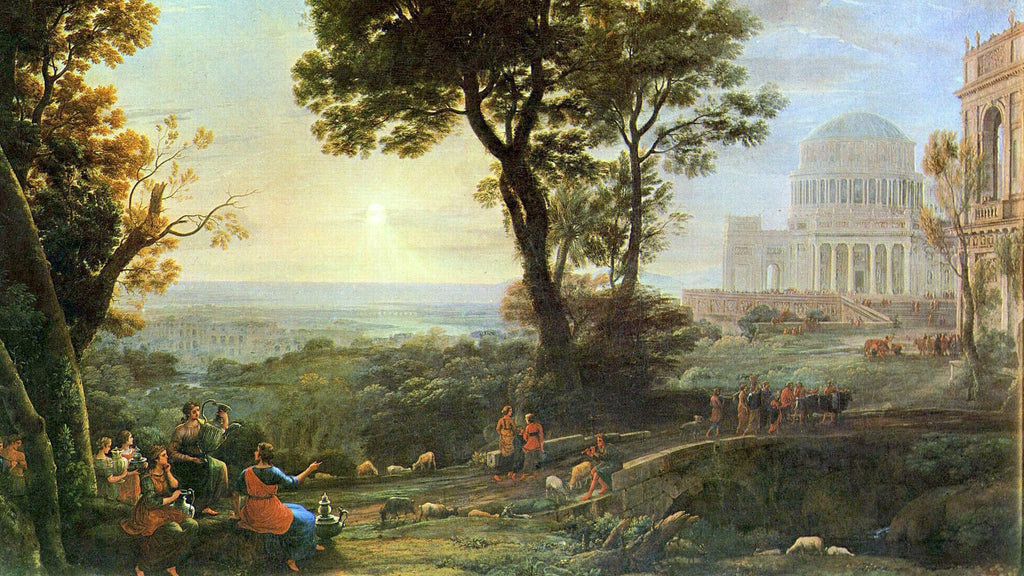
Ancient Greece gave a prominent place to divination in its social and political fabric. The Oracles, true sanctuaries of divine knowledge, played a central role in seeking spiritual guidance and making crucial decisions.
-
Oracle of Delphi: at the top of the hierarchy of Oracles stood the Oracle of Delphi, dedicated to the god Apollo. Nestled on the slopes of Mount Parnassus, this Oracle was consulted by people from all strata of Greek society. The Pythian priestesses, also known as Pythias, entered a trance state by inhaling vapors emanating from the sacred ground, then delivered enigmatic prophecies that could guide individual and national destinies.
-
Interpretation of natural signs: the Greeks firmly believed in the presence of divine signs in nature. Phenomena such as lightning, shooting stars, or the flight of birds were interpreted as messages from the gods. Priests and experienced diviners were tasked with deciphering these signs, thus offering predictions and advice to those seeking to understand divine intentions.
-
Geomancy: geomancy, a method of divination involving the observation of patterns in the ground, was also practiced in ancient Greece. Diviners studied natural formations of the soil, lines, and contours, believing these features could reveal answers to posed questions. This practice was often used to make strategic decisions or anticipate upcoming events.
-
Influence on leaders' choices: divinatory advice from Oracles and divination methods often informed the decisions of Greek leaders. Whether before a battle, during periods of political unrest, or at crucial moments of choice, leaders often consulted oracles to gain a divine perspective on the best path to follow.
© Sky History
2.1.4. Ancient Rome
In ancient Rome, divination was much more than a simple mystical practice; it was an essential component of political, religious, and social life. The Romans, deeply superstitious, considered divination an indispensable way to communicate with the gods and ensure the success of their endeavors.
-
The Augurs and divination by birds: the augurs, priests specialized in divination, played a central role in Rome. Their methods varied, but observing birds was one of the most widespread practices. The augurs analyzed the flight, song, and behavior of birds to discern divine signs. A favorable flight of birds could be interpreted as divine approval, while abnormal behavior might indicate the need to avoid certain actions.
-
Lightning and thunder: the Romans also believed that lightning and thunder were signs sent directly by the gods. The augurs carefully examined these natural phenomena to decipher divine messages. The priests interpreted the direction, frequency, and intensity of lightning, believing that every detail could provide indications about the will of the gods.
-
The books of the Sibyls: the books of the Sibyls, inspired prophetesses, were revered as divine treasures. These women, often associated with specific sanctuaries, delivered prophecies under divine inspiration. Roman leaders consulted these sacred texts to obtain advice on crucial matters, whether during times of war, famine, or political crisis.
-
Influence on political decisions: divinatory practices had a direct influence on the decisions of Roman leaders. Before making major decisions, such as declaring war or undertaking political reforms, Roman leaders frequently consulted the augurs and referred to the prophecies of the Sibyls. Considering divine signs was seen as essential to ensure the legitimacy and favor of the gods in Roman affairs.
2.2. Divination in Eastern cultures
2.2.1. China
Ancient China was distinguished by its deep divinatory tradition, a practice that permeated all aspects of life, from politics to daily living. These divination methods were considered means to obtain cosmic guidance, helping individuals understand their destiny and make important decisions.
-
Yi Jing (I Ching): the Yi Jing, often translated as the Book of Changes, represented a major pillar of divination in ancient China. Based on hexagrams composed of solid and broken lines, this ancient text was used to look into the very fabric of the cosmos. Practitioners consulted the Yi Jing by asking specific questions, then interpreted the resulting hexagrams to obtain advice on the present situation and future choices. The symbolic richness of these hexagrams made it a versatile tool for addressing a variety of issues, from personal dilemmas to state concerns.
-
Divination with Yarrow Stalks: another prominent divination method was the use of yarrow stalks, a more complex and ritualized process. Practitioners used these stalks to generate combinations, thereby establishing specific hexagrams of the Yi Jing. This process involved precise rituals, highlighting the importance given to ritualization in the quest for divinatory guidance.
-
Chinese numerology: Chinese numerology, often linked to Taoist tradition, was also widespread. Chinese characters were assigned specific numbers, and these numbers were then used to decipher hidden messages in names, birth dates, and other aspects of daily life. This practice, known as Ba Zi or "Four Pillars of Destiny," was considered a window into personal and family fate.
-
Role in daily and political life: divination was not reserved for elitist contexts but was an integral part of everyday life in ancient China. Ordinary individuals consulted divinatory practitioners for questions ranging from marriage to financial decisions. Moreover, emperors and political leaders frequently used these methods to guide their decisions, thus ensuring harmony with cosmic principles and the will of the ancestors.
2.2.2. India
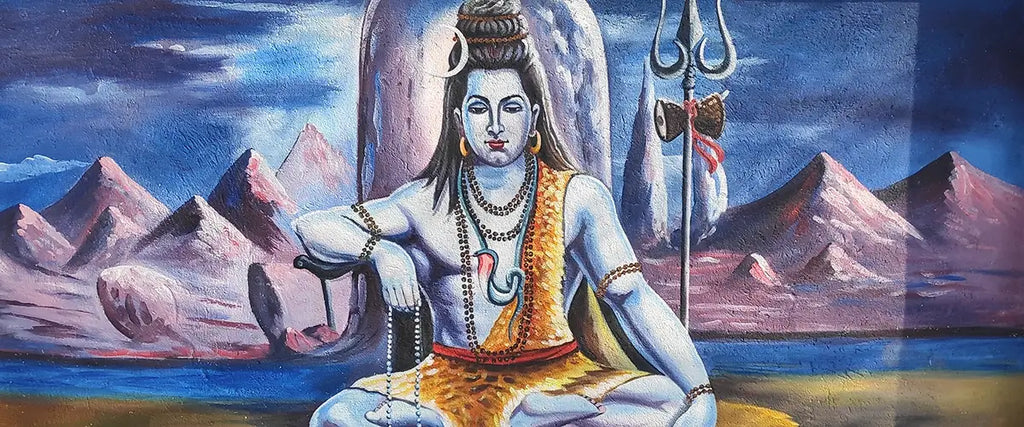
Deeply rooted in spirituality and permeating all aspects of life, divination in ancient India represented a sacred quest to understand cosmic forces and individual destiny. These divinatory practices were closely linked to India's rich spiritual and philosophical tradition, shaping how individuals perceived their existence and made important decisions.
-
Vedic Astrology: Vedic Astrology, also known as Jyotish, was at the core of divinatory practices in ancient India. This form of astrology was based on the positions of the planets at the time of birth, considering that these celestial configurations directly influenced individual destiny. Vedic astrologers used elaborate sky charts to predict future events, understand a person's character traits, and offer advice on auspicious times to undertake certain actions.
-
Puranas and divinatory methods: sacred texts, such as the Puranas, were reservoirs of divinatory knowledge in ancient India. These mythological and religious writings contained specific methods of divination. Methods like dream interpretation, reading natural signs, and consulting oracles were often described in these texts. The Puranas thus served as comprehensive spiritual guides, offering ways to understand the material and spiritual world.
-
Consultation of the Rishis and Saints: in addition to formal methods, individuals often sought guidance from the Rishis and saints, considered spiritually awakened beings. These sages were reputed to have access to deep and transcendental knowledge. Their wisdom was often sought for personal divinatory advice, whether for questions related to daily life or predictions concerning spiritual destiny.
2.2.3. Japan
At the heart of Japanese spirituality, divination held a special place, influenced by the millennia-old traditions of Shintoism and Buddhism. These divinatory practices were rooted in the search for celestial guidance, understanding mystical forces, and the quest for future luck, thus revealing the unique symbiosis between spirituality and daily life in ancient Japan.
-
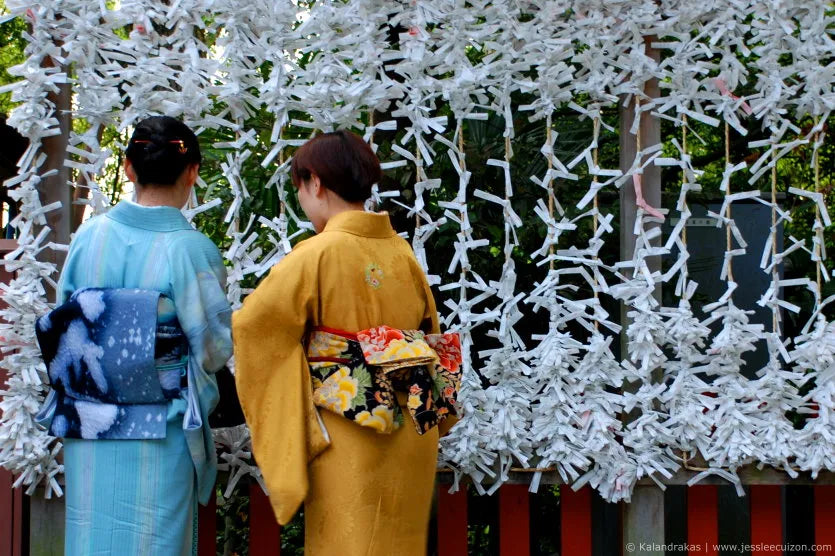
Omikuji or divination by lot drawing: Omikuji was one of the most widespread divination methods in Japan. This practice involved drawing lots of paper at Shinto shrines or Buddhist temples. These papers, often rolled into small cylinders, contained various predictions and advice, ranging from exceptional luck to the need to take particular precautions. People consulted omikuji to gain insights into their immediate future, and this ritual was especially popular during New Year celebrations.
-
Influence of Shintoism and Buddhism: Shintoism, the indigenous religion of Japan, and Buddhism, imported from China and Korea, both left their mark on divinatory practices. Shinto shrines and Buddhist temples were key places for divination. Shinto beliefs in the presence of divine spirits, called "kami," and Buddhist teachings on the ephemeral nature of life and karma influenced how the Japanese viewed divination as a way to navigate the twists and turns of destiny.
-
Role of priests and monks: Shinto priests and Buddhist monks played a central role in divination in ancient Japan. Their knowledge of rituals, sacred teachings, and meditative practices placed them in a privileged position to advise the faithful on divinatory matters. Rituals involving consultation with spirits or deities were often conducted by these religious figures, who acted as intermediaries between the material and spiritual worlds.
3. Traditional Divination Methods
3.1. Astrology
Astrology, an ancient discipline dating back to Antiquity, offers a fascinating perspective on how the positions of the planets can influence our lives in various ways. Two key aspects of astrology are the zodiac signs and the birth charts, each providing a unique understanding of an individual's personality, relationships, and life path.
3.1.1. The Zodiac Signs
Astrology divides the ecliptic, the apparent path of the sun around the Earth, into twelve signs, each associated with a specific month of the year. Each zodiac sign has distinct personality traits and is ruled by one or more planets. For example, Aries is ruled by Mars, a symbol of energy and boldness, while Virgo is linked to Mercury, evoking precision and analysis.
The position of the sun at the time of birth determines a person's sun sign, but astrology also takes into account the positions of other planets, the moon, and lunar nodes to establish a complete astrological portrait, called a natal chart.
Analyzing zodiac signs helps understand an individual's innate characteristics, the forces that motivate them, as well as the challenges they might face throughout their life.
3.1.2. Sky charts and horoscopes
Sky charts are graphical representations of the position of planets, stars, and other celestial bodies at a specific moment and place. These charts are the basis for creating horoscopes, astrological documents that detail cosmic influences on an individual at a particular time.
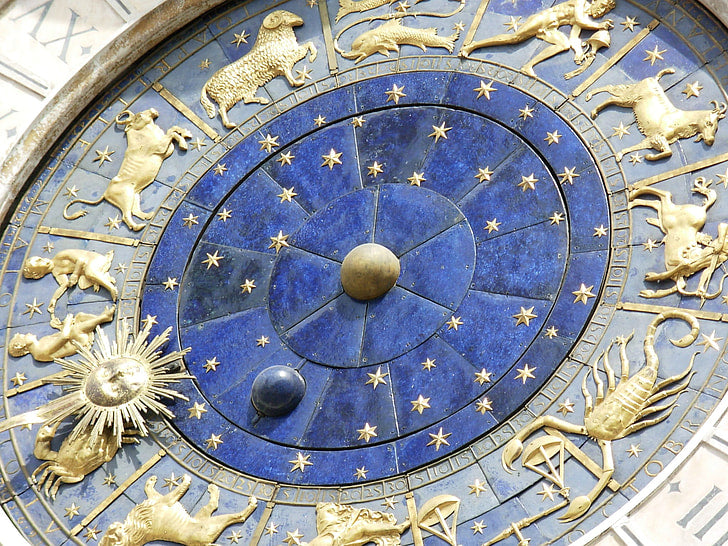
To create a horoscope, the astrologer examines the position of the planets in the different zodiac signs and the aspects they form with each other. Aspects, such as conjunctions, sextiles, and squares, reveal complex dynamics that shape a person's life.
Horoscopes offer astrological forecasts, advice, and reflections on opportune times to undertake specific actions or address particular aspects of life. They are often used to better understand personal growth cycles, favorable moments for relationships, career, and other important areas of existence.
3.2. Tarot
Tarot, with its mystical air and enigmatic origins, constitutes a complex and deeply symbolic divination system. Its evolution, from medieval card games to powerful contemporary divination tools, reflects how this practice transcended its playful roots to become a path toward psychological and spiritual understanding.
3.2.1. Origins of Tarot
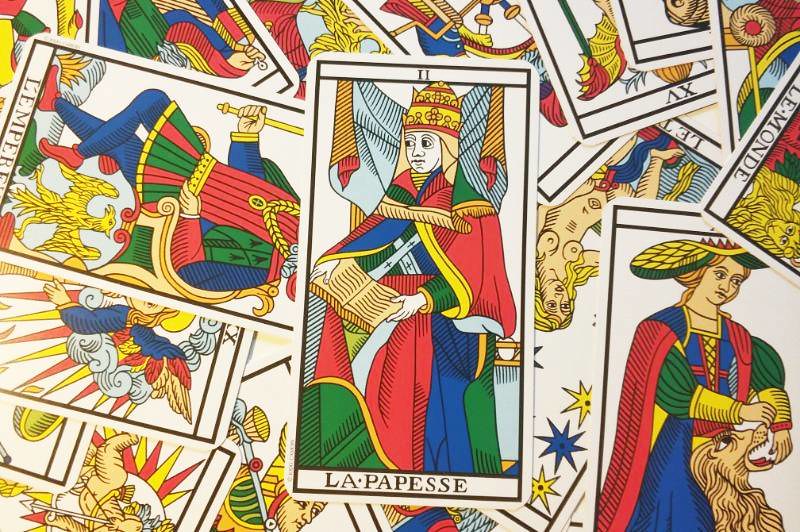
The exact origins of Tarot remain shrouded in mystery, but it is believed to have emerged in the 15th century in Europe, initially serving as a card game in certain Italian regions. The Tarot of Marseille, one of the oldest known Tarot decks, consisted of 78 cards divided into major and minor arcana.
Over the centuries, tarot has evolved and spread throughout Europe, incorporating elements of astrology, Kabbalah, and other esoteric systems. It was adopted by occultists, mystics, and artists who contributed to developing its symbolic and divinatory aspects.
3.2.2. Card Interpretation
The soul of the Tarot lies in the interpretation of the cards, each representing universal archetypes and symbols rich in meaning. The 22 major arcana, such as the Fool, the Empress, and the Hanged Man, carry deep messages related to fundamental aspects of human existence.
The layout of the cards, known as the spread, plays a crucial role in the reading. Tarot readers place the cards in a specific way, often according to established patterns, to create a visual narrative. Each card draws its meaning from its position, its interactions with other cards, and the question posed by the querent.
The interpretation of tarot cards goes beyond simple future prediction. It offers deep reflections on the psychological, emotional, and spiritual aspects of life. For example, Tarot can explore relationships, personal growth, upcoming challenges, and strengths to harness.
The practice of tarot is often imbued with a degree of intuition and empathy, as the tarot reader translates the symbols into a meaningful story for the querent. The vibrant and symbolic images of the cards act as mirrors reflecting different facets of life, inviting those who consult them to explore deeper truths and make informed decisions.
3.3. The Runes
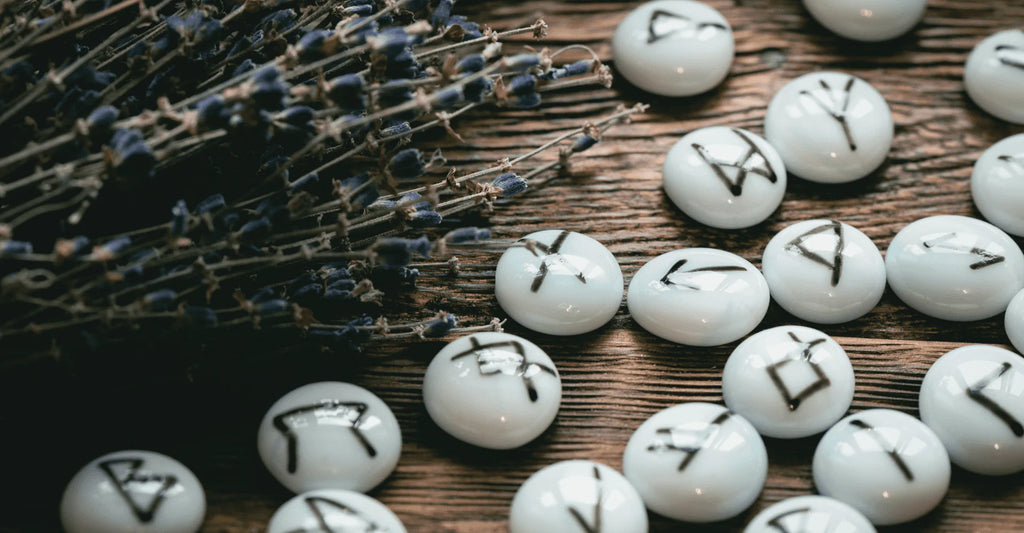
Runes, an ancient system of writing and divination, have roots in the history of Germanic and Norse languages. Their use dates back to time immemorial, evolving from a practical means of communication to a powerful tool for connecting with the forces of nature and ancestral wisdom.
3.3.1. History of the Runes
Runes initially emerged in Germanic and Norse cultures during the Iron Age. The word "rune" itself derives from Old Norse "rún," meaning "secret" or "mystery." These characters were used to transcribe messages, but their use was not limited to writing. Runes were carved onto objects, from weapons to tombstones, as symbols of protection and magical power.
Runes are often associated with Odin, the chief god of Norse mythology, who is said to have sacrificed an eye to gain the knowledge of the runes. The Futhark, the runic alphabet, consists of 24 characters divided into three groups of eight, each corresponding to a Norse deity. Each rune has a symbolic and phonetic meaning.
3.3.2. Use of runes
The practice of divination with runes, known as rune casting or rune reading, transcends the linguistic aspect of the runes to delve into the realm of magic and spirituality. Practitioners of runic divination typically use a set of 24 runes, chosen for their unique shapes and meanings.
The rune casting process involves mixing the runes in a bag, focusing on a specific question or situation, then drawing a certain number of runes from the bag. The arrangement of the selected runes offers an answer or insight into the posed situation.
Each rune carries a deep meaning, often linked to fundamental life concepts such as growth, transformation, conflict, or protection. For example, the rune Fehu is associated with wealth and material possessions, while the rune Algiz symbolizes protection and spiritual connection.
Runic divination is not limited to simply predicting the future. It is also a way to connect with primal energies, explore hidden aspects of the self, and receive guidance on how to navigate daily life. The act of casting runes thus becomes a kind of dialogue with the mysterious forces that surround and guide our existence.
3.4. Palmistry (palm reading)
Palmistry, often called palm reading, is an ancient form of divination that explores the mysteries of personality, health, and destiny by studying the lines, mounts, and hollows present in the palm of the hand. This practice, dating back millennia, offers a fascinating window into an individual's life through the impressions left on their hands.
3.4.1. Main lines
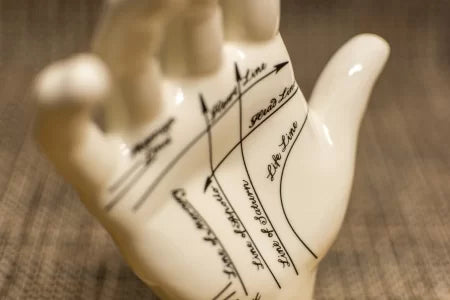
Palmistry focuses on three main lines of the palm, each offering a unique insight into different aspects of a person's life.
-
Life line: this line, running around the base of the thumb and index finger to the base of the wrist, is often associated with vitality and quality of life. Its interpretation can reveal information about physical health, inner strength, and lifespan.
-
Heart line: positioned just below the life line, the heart line is linked to emotions, romantic relationships, and emotional life in general. Its shape and characteristics can provide clues about the nature of relationships, passion, and emotional stability.
-
Head line: this line, located above the heart line, is associated with thought, cognition, and how a person makes decisions. Its interpretation provides insights into intelligence, concentration, and decision-making.
3.4.2. Mounts and hollows
In addition to the lines, palmistry explores the reliefs of the palm, notably the mounts (fleshy bumps) and hollows.
-
Mounts: Each mount is associated with a planet and represents specific aspects of personality. For example, the mount of Venus is linked to love and sensuality, while the mount of Jupiter is associated with self-confidence and leadership.
-
Hollows: The hollows in the palm, such as the area between the mounts, are also significant. They can indicate areas of life requiring special attention, challenges, or opportunities for growth.
The art of palmistry relies on careful observation of these features and their combination. Palmistry practitioners consider the hand as a whole, taking into account the shape of the fingers, nails, secondary lines, and other details to obtain a complete picture.
3.5. Coffee reading (coffee grounds reading)
Coffee reading, a captivating form of divination, originates from ancient practices where coffee grounds in a cup served as a canvas to reveal mystical visions and omens. This method, steeped in mystery and intuition, offers a unique glimpse into the future by using the patterns left by coffee residue.

3.5.1. Traditional practices
Coffee reading is rooted in traditions dating back to ancient times, when coffee was consumed not only for its taste but also for the answers it could provide. After drinking the coffee, the practitioner lets the coffee grounds accumulate at the bottom of the cup, thus creating a surface on which divination can take shape.
In some cultures, specific rituals may accompany coffee reading, such as the person drinking the coffee with clear intentions or asking a precise question. Once the coffee is consumed, the cup is turned over, and the coffee grounds are left to dry, creating a "canvas" on which the practitioner can interpret symbols and patterns.
3.5.2. Interpretation of patterns
The art of coffee reading relies on the practitioner's ability to extract meanings from the patterns left by coffee grounds. Each pattern, whether a shape, an image, or a letter, is interpreted based on its size, shape, and location in the cup.
-
Size: larger patterns may indicate more significant events or influences, while smaller patterns can represent subtler details of the querent's life.
-
Shape: the shape of the patterns holds particular importance. Symbols such as circles, lines, or specific objects can be interpreted based on their symbolic meaning.
-
Location: the place where the patterns appear in the cup is also significant. The bottom, the sides, and even how the patterns interact with each other can provide clues about the timing of events and the relationships between different life situations.
Coffeemancy, unlike other more structured forms of divination, relies heavily on the practitioner's intuition. It is an artistic and subjective process where the connection between the practitioner and the patterns is essential. The ability to grasp subtleties, feel energies, and interpret symbols fluidly makes coffeemancy a unique experience in each session.
3.6. Other forms of divination
Of course, this overview is far from exhaustive given the many ways to interpret signs. We will have the opportunity to write more about practices not covered here, such as spiritualism, alomancy, dowsing, and many others.
4. Contemporary divination methods
4.1. Cartomancy
Cartomancy, a fascinating divinatory practice exploiting the symbolic language of cards, has undergone significant evolution over time. Today, contemporary cartomancy adopts two main approaches, each offering unique nuances and perspectives.
4.1.1. Use of playing cards
Modern cartomancy often uses standard playing cards, familiar from poker or bridge games, as tools for divination. Each card, whether spades, hearts, diamonds, or clubs, carries a set of specific symbols and meanings. An experienced cartomancy practitioner can transcend the usual gaming context to interpret these cards in a way that provides meaningful insights.
Playing cards can be arranged using different methods, such as the cross spread or the fan spread, each offering a unique structure for interpretation. Each card reveals details about the querent's past, present, and future, creating a visual narrative that allows exploration of specific aspects of life.
4.1.2. Contemporary Tarot
The Tarot, a pillar of cartomancy, has followed an evolutionary and creative path, with the emergence of contemporary tarots. These tarot decks, often designed by talented artists, merge the centuries-old heritage of tarot with modern themes and innovative interpretations. Each contemporary tarot deck thus becomes a unique divinatory work of art.
These new tarots may include reinterpretations of the major and minor arcana, with illustrations that reflect contemporary cultural and social realities. Themes ranging from technology to evolving gender roles can be integrated, allowing contemporary tarot readers to connect more closely with the concerns of our time.
Practitioners of cartomancy using contemporary tarot interpret the cards by considering both traditional meanings and unique elements of the specific deck. This offers clients a rich and nuanced reading experience, where the traditional symbolism of the tarot is adapted to reflect the modern complexities of life.
4.2. Numerology
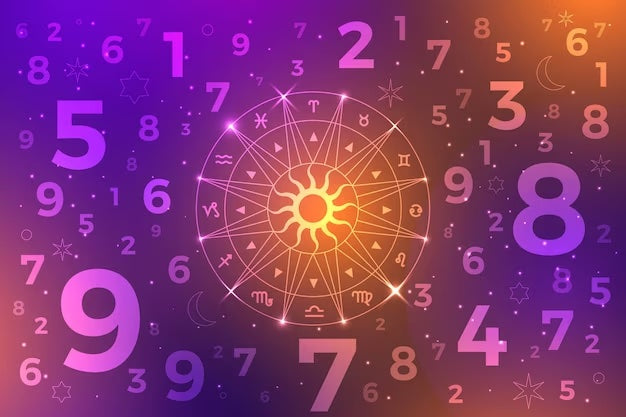
Contemporary numerology, an ancient art passed down through the centuries, has adapted to modern sensibilities while retaining its intuitive power. It is based on the idea that numbers are not simply mathematical tools but also carry deep esoteric meanings.
4.2.1. Number Calculation
Contemporary numerology practitioners use specific formulas to extract meanings from names, birth dates, and other personal information. These formulas, often based on reducing this information to smaller, meaningful numbers, allow for unique numerical profiles to emerge.
Calculation Methods
| Name Reduction | The letters of the name are converted into numbers using a specific correspondence (for example, A=1, B=2, etc.), then these numbers are added and reduced to a specific value. |
| Life Path Calculation | The birth date is often used to determine the life path, an indication of the lessons and challenges the person is destined to encounter throughout their life. It is calculated by adding the digits of the birth date until a reduced number is obtained. |
| Expression number | It is obtained by analyzing the letters of the full name, offering insights into personality and intrinsic talents. |
4.2.2. Meaning of Numbers
Each number, in contemporary numerology, has a specific meaning that goes beyond its mathematical aspect. Practitioners interpret these numbers to provide enlightening perspectives on various aspects of a person's life.
Reading methods
| Life path | This number reveals the key lessons and opportunities the person will face throughout their life. |
| Expression number | It provides insights into personality, natural talents, and how a person interacts with the world. |
| Destiny number | Calculated from the full birth date, it sheds light on a person's fundamental life purpose. |
4.3. Crystal gazing
Contemporary crystal gazing, heir to an ancient tradition steeped in mystery, has transformed to adapt to modern realities and sensibilities. This form of divination, which uses the power of crystals and gems, offers an intuitive and visual experience that is captivating and revealing.
4.3.1. Use of crystals and gems
Contemporary crystal gazing practitioners engage in a deliberate process of selecting and arranging crystals and gems. This meticulous choice takes into account not only the traditional properties associated with each crystal but also the intuition of the practitioner and the seeker. Some practitioners may adopt specific methods, such as arranging the crystals in a circle, mandala, or other patterns that can influence the session's dynamics.
-
Arrangement of crystals: some practitioners place the crystals in a deliberate way, creating an arrangement that can serve as a symbolic canvas. Each crystal, with its unique vibration, contributes to the overall energy and atmosphere of the session.
-
Intuitive choice: in some contemporary practices, the seeker is invited to intuitively choose the crystals that captivate them. This process creates a personal connection between the seeker and the crystals, thus strengthening the intuitive aspect of crystal gazing.
4.3.2. Interpretation of visions
Contemporary crystal gazing relies on careful observation of the visual characteristics of crystals, such as reflections, cracks, inclusions, and internal patterns. These elements become the canvas on which the practitioner projects and interprets symbolic visions.
-
Symbols and shapes: practitioners decode the symbols that emerge, whether geometric shapes, abstract images, or particular patterns. Each visual element is interpreted based on its context in the session and the symbolic associations attributed to it.
-
Spiritual Guidance and Intuitive Insights: the visions that manifest in crystals can offer spiritual guidance, intuitive perspectives on personal matters, or insights into upcoming challenges. These interpretations go beyond simple divination to encompass deeper aspects of personal growth and spirituality.
Contemporary crystal divination transcends the limits of simple fortune-telling to offer a holistic experience. It is part of a process of personal evolution, spiritual connection, and intuitive exploration. Through the magnificent symphony of crystals and gems, this modern form of divination remains an open window to the unknown, guiding those who practice it toward a deeper understanding of themselves and the world around them.
5. Perspectives on Divination
5.1. The Place of Divination in Modern Society
5.1.1. Entertainment and Personal Quest for Meaning
For many individuals, divination primarily represents a captivating form of entertainment. Tarot readings, astrological consultations, and other divinatory methods are often approached with a playful spirit, offering moments of reflection or interesting conversation. It is a way for some to escape daily life, explore unexplored aspects of the psyche, and share fascinating experiences with others.
At the same time, divination serves as a catalyst for a personal quest for meaning. For those seeking answers to life’s profound questions, divination offers a framework where one can explore aspects of oneself, from aspirations to challenges to overcome. It becomes a symbolic mirror in which individuals can contemplate their own concerns, aspirations, and existential questions.
5.1.2. Serious Spiritual Practice
Alongside its recreational aspect, divination maintains a serious place in modern spirituality. Committed practitioners see divination as a way to connect with cosmic forces, receive spiritual guidance, and deepen their understanding of the mysteries of existence. Cards, numbers, and crystals become tools to expand spiritual perception, guiding individuals in their quest for inner truth.
It is also impossible to overlook social networks where digital sessions are offered on Instagram or TikTok. Even though there may be serious practitioners, it is important to carefully verify the person offering these services to ensure a genuine spiritual connection (or not).
5.1.3. Exploration of Intuition, Psychology, and Spiritual Connection
Contemporary divination practitioners often approach their art as a deeper exploration of intuition, personal psychology, and spiritual connection. Card readings, for example, can be seen as mirrors reflecting subconscious aspects, offering keys to unlock deep thoughts and repressed emotions. Divination thus becomes a means of inner dialogue, allowing individuals to understand and accept often overlooked facets of their being.
5.2. Evolution of divinatory practices
The dynamic evolution of divinatory practices traces a fascinating path through the twists and turns of a constantly changing society. Ancient traditions, once embedded in millennia-old rituals, are redefining themselves in the complex landscape of modernity, adapting and reinventing to meet the changing aspirations of contemporary society.
5.2.1. Fusion of ancient traditions and modern expressions
The evolution of divinatory practices reflects a harmonious fusion between ancient teachings and modern expressions. Ancestral methods, passed down through generations, are now intertwined with contemporary approaches. Tarot decks, for example, retain their ancient roots while being reinterpreted in modern contexts, introducing new archetypes and updated meanings. This fusion creates a bridge between history and the present, honoring traditions while adapting them to the language of the modern world.
5.2.2. Emergence of digital applications and modern technologies
The advent of digital technologies has ushered in a new era for divination. From online tarot apps to virtual astrological consultations, technology offers new avenues for divinatory practice. Practitioners can now explore the mysteries of the future through screens, transcending physical barriers to receive divinatory guidance anytime and anywhere. However, this evolution also raises questions about authenticity and true spiritual connection through digital interfaces.
5.2.3. Forging new symbolic languages
At the heart of the evolution of divinatory practices lies the creation of new symbolic languages. The symbols, archetypes, and metaphors that have endured through the ages undergo constant reinterpretation to reflect contemporary realities. New oracles emerge, using unique symbolic languages to interpret the energies of the modern world. These new symbolic languages capture the concerns, aspirations, and complexities of today's society, adding layers of meaning to divinatory practices.
5.2.4. Redefining the boundaries between science, spirituality, and superstition
The evolution of divinatory practices transcends a simple change of methods to engage a deeper redefinition of the boundaries between science, spirituality, and superstition. While modern science seeks to explain the world through empirical means, divination, although evolving toward more contemporary expressions, often remains rooted in spirituality and subjectivity. This duality sparks passionate debates about the nature of knowledge and perception, pushing society to navigate between the reefs of beliefs and tangible evidence.
6. The final word
Through the twists of time and across civilizations, divination has persisted as a mystical link between the known and the unknown, an attempt to decipher the secrets of the universe. Age-old practices such as card divination, numerology, and crystal gazing, rooted in the past, continue to flourish in the gardens of esoteric knowledge while adapting to the changing landscapes of modern society.
The historical and cultural importance of divination is palpable, woven into the fabric of ancient civilizations where oracles and seers guided crucial decisions. Ancient Egypt, ancient Greece, Rome, and other great cultures embraced divination as a way to understand the will of the gods and navigate the twists of the future.
Beyond history, contemporary divination emerges with varied faces, using methods like cartomancy, numerology, and crystal gazing to illuminate the paths of modern life. Contemporary cartomancy, with its use of playing cards and modern tarots, offers a subtle reflection on the past, present, and future. Contemporary numerology, for its part, transcends numbers to reveal entire facets of personality and upcoming challenges. Finally, contemporary crystal gazing, with its carefully arranged crystals, invites a visual and intuitive exploration of the energies surrounding us.
At the heart of every practice lies the universal human quest for understanding, guidance, and connection with something greater. Divination, whether it appears in the arcana of a tarot, the numbers of numerology, or the reflections in a crystal, continues to be a lantern in the darkness of uncertainty.
[bloctwist]