


















































































































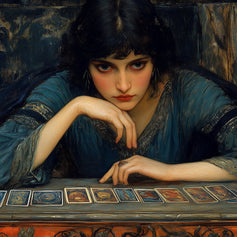



Tarot has a history that blends mystery, art, and spirituality. Its exact origin remains unclear, but it is believed to have emerged in Europe in the 15th century, probably in Italy, in the form of playing cards called tarocchi. It is in this context that the Tarot of Marseille finds its place. Although the name suggests a French origin, the earliest examples of these cards may have appeared in Italy before gaining popularity and spreading to France.
Initially, these cards were used for social games among the European aristocracy. They were richly decorated, often hand-painted with elaborate icons. These early tarot decks included 78 cards, divided into two groups: the minor arcana, similar to modern playing cards, and the major arcana, which are unique to tarot and contain archetypal symbols and figures.
In the 18th century, tarot began to be associated with mysticism and occultism. It was notably through figures such as Antoine Court de Gébelin and Jean-Baptiste Alliette, known as Etteilla, that tarot was recognized as a tool for divination. De Gébelin, in his work Le Monde Primitif, interpreted the images of tarot as mysterious symbols of ancient Egyptian knowledge. This vision paved the way for a whole new use of the cards, transforming them from a simple pastime into a tool for divination and spiritual meditation.
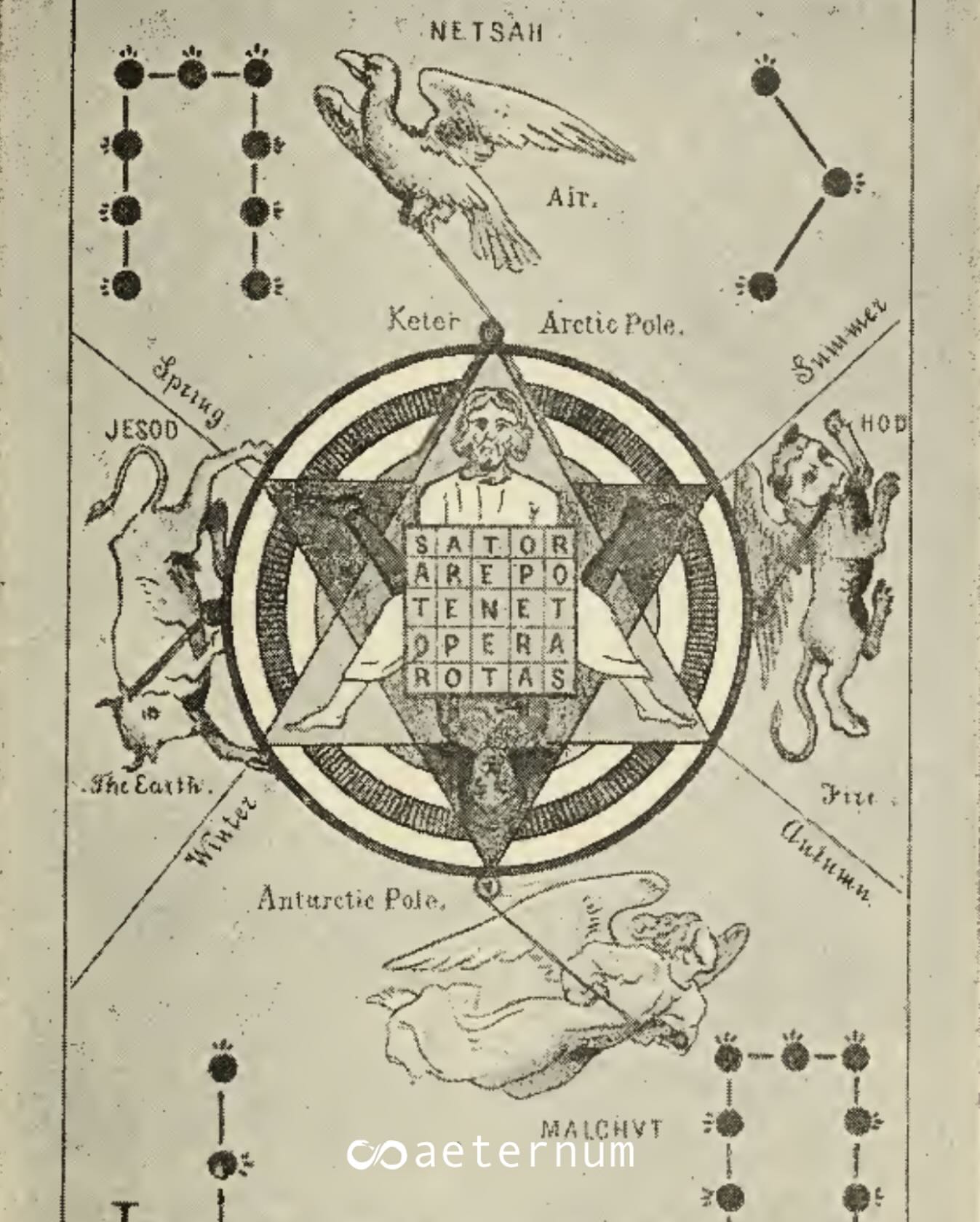
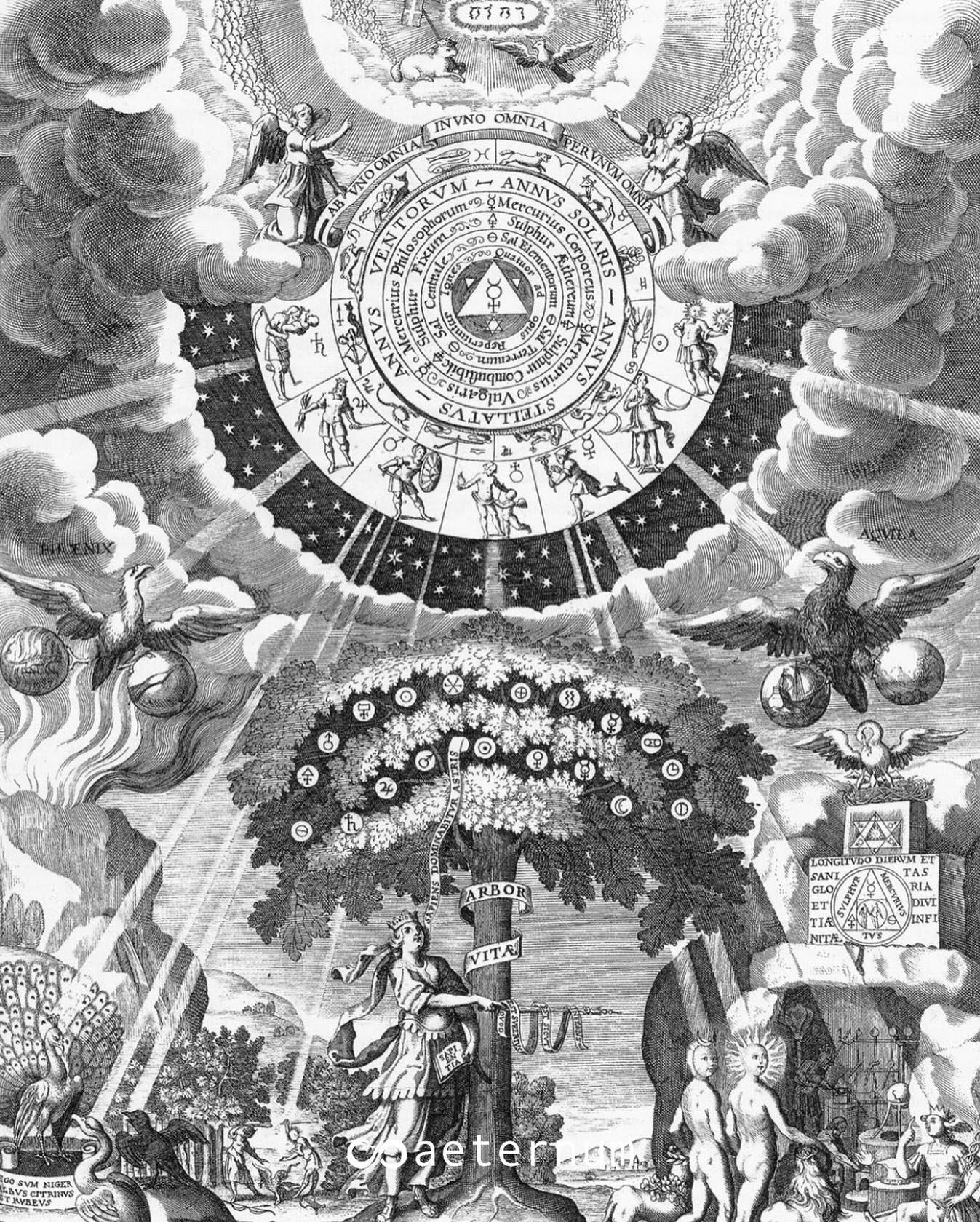
In the 19th century, occult societies such as the Hermetic Order of the Golden Dawn incorporated tarot into their practices, enriching its symbolism and interpretations. These groups assigned new meanings to the cards, linking them to Kabbalah, astrology, the elements, and other esoteric systems.
Tarot experienced a new wave of popularity in the 20th century, notably with the creation of the Rider-Waite Tarot in 1909. Designed by Arthur Edward Waite and illustrated by Pamela Colman Smith, this deck introduced detailed and symbolic images on all the cards, including the minor arcana, which made readings more narrative and intuitive. This version of tarot has become one of the most popular and influential in the Western world.
Today, tarot is used not only for divination but also for meditation, personal development, and even as a form of art therapy. Modern tarot decks offer a wide range of artistic styles and thematic interpretations, reflecting cultural and spiritual diversity.