























































































































The concept of Juju represents magical and spiritual practices in West Africa.
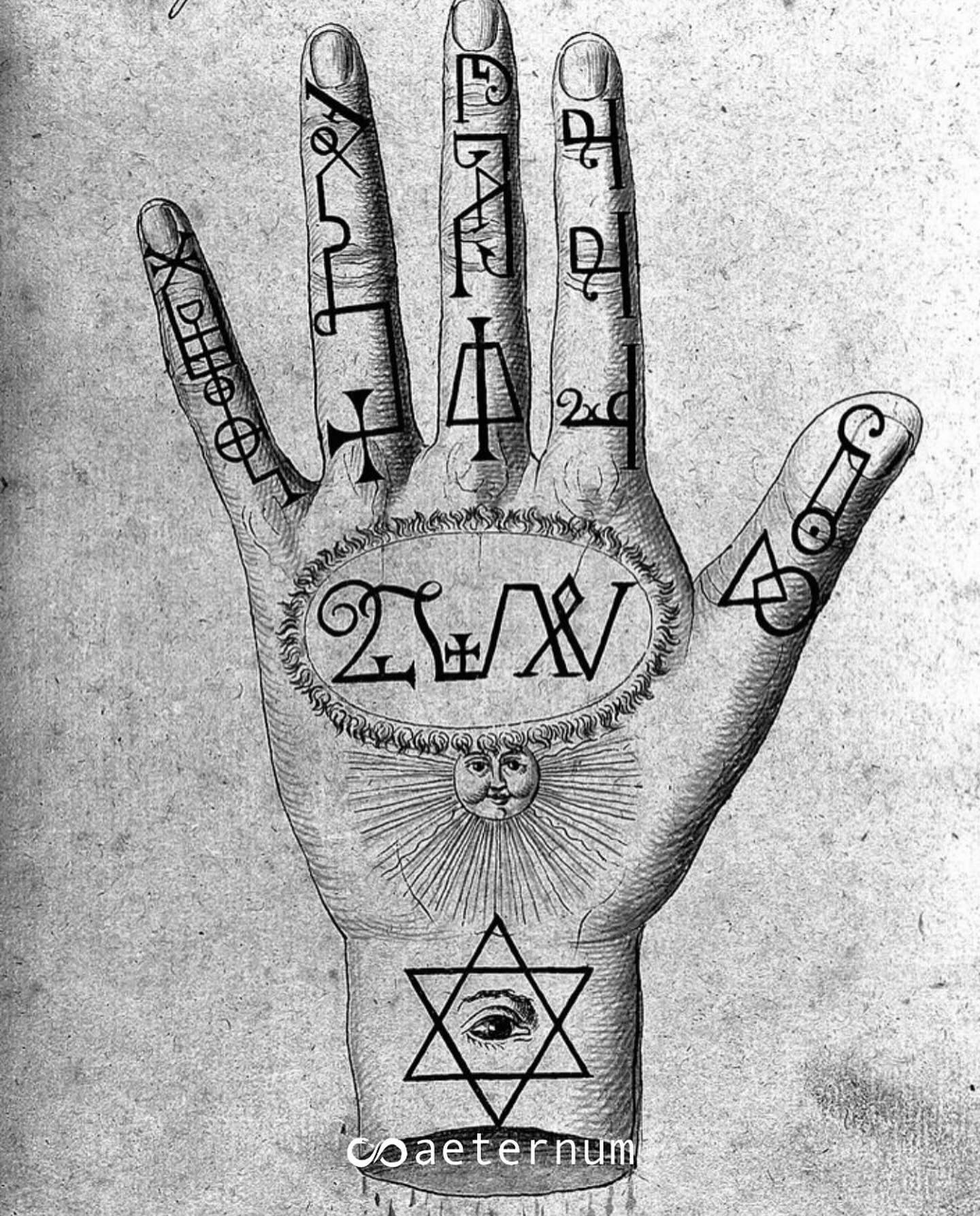
The term Juju has its roots in the Yoruba language, mainly spoken in Nigeria, but it is also used in other regions of West Africa. Historically, Juju referred to objects or amulets with magical powers. Over time, its use expanded to encompass a wide range of spiritual practices involving charms, spells, and rituals. Juju practices may include the use of talismans, herbs, powders, and specific objects consecrated by rituals. These objects are often worn or placed in strategic locations to offer protection or attract luck. Juju can also be used for healing purposes, combining traditional African medicine with spiritual rituals.
Practitioners of Juju, called marabouts or sorcerers depending on the region, are considered intermediaries between the spiritual and physical worlds, capable of manipulating supernatural forces for beneficial or malevolent purposes. Their knowledge of rituals, herbs, and symbols allows them to act as healers, spiritual advisors, and protectors.