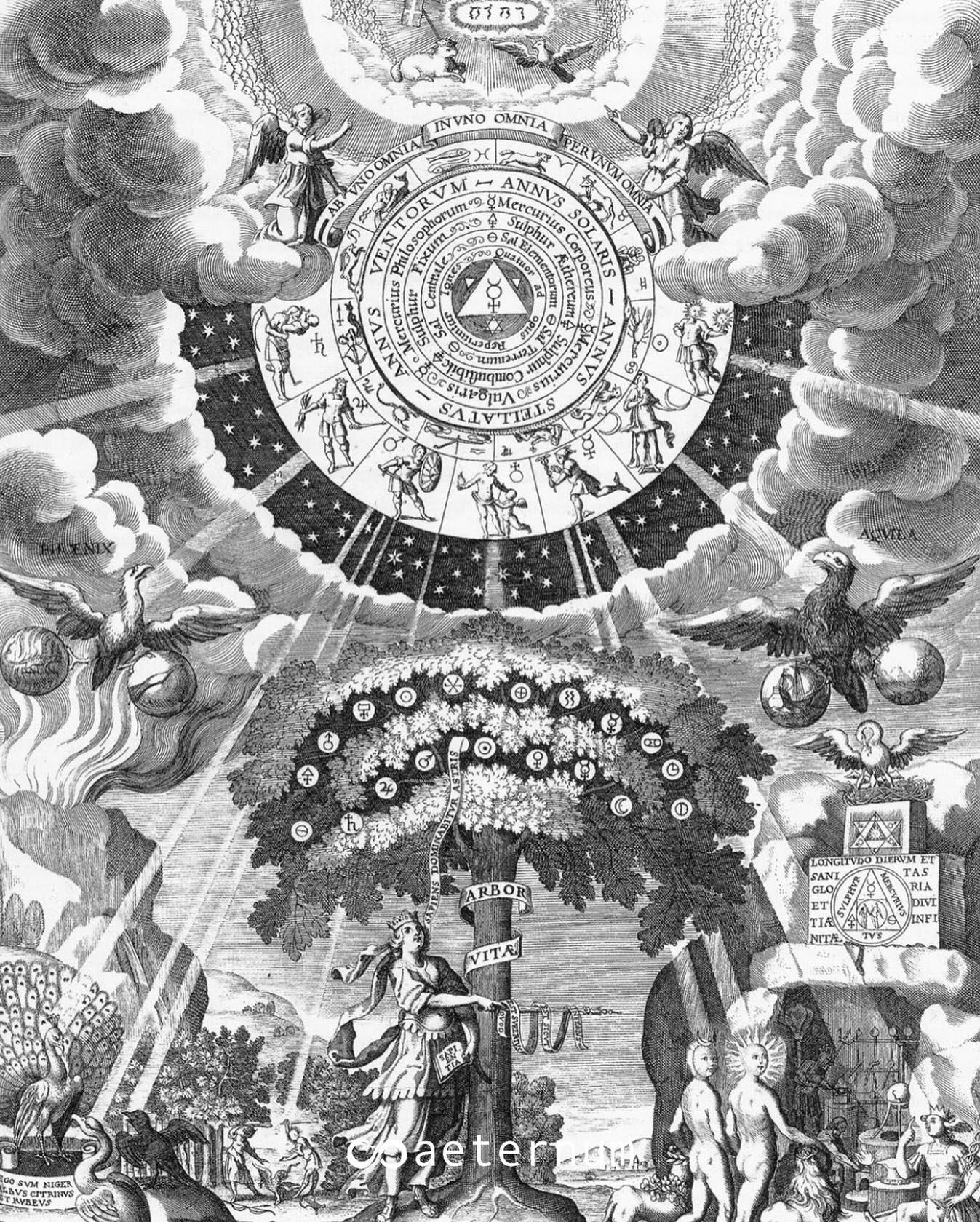
Paracelsus, a physician, philosopher, and alchemist of the Renaissance, remains a figure as fascinating as he is controversial. For centuries, he has sparked divided opinions, swinging between admiration and sharp criticism. To some, he is a revolutionary visionary who laid the foundations of many modern sciences, notably chemical medicine and toxicology, while reforming traditional medical approaches by introducing analogical principles. To others, he remains an eccentric figure, alternately described as a clumsy imitator of the Ancients or a pretentious charlatan. This duality fuels a persistent mystery surrounding his work and thought.
This controversy may stem from the unique way Paracelsus perceived the world. Like many mystics, he sensed the underlying realities of existence through a powerful intuition, often at odds with the strict rationality of his time. He sought to express these illuminations through words, which he sometimes reinvented or diverted from their usual meaning, often confusing his contemporaries. However, beyond misunderstandings, his thought reveals a deeply elevated philosophy rooted in a fundamental principle of esotericism: the power of analogy. Paracelsus saw man as a microcosm, a reflection of the universal macrocosm, and believed that this correspondence offered keys to understanding and mastering the invisible forces of the Universe.
His work The Seven Books of the Archidoxes of Magic is a remarkable example of this vision. A true initiatory grimoire, it stands out for the richness of its esoteric teachings, comparable to those of the most famous clavicles. Within its pages, Paracelsus delivers profound truths, though surrounded by deliberate or inevitable complexity, intended to guide sincere seekers on the path of Hermes. Through this text, he invites readers to look beyond appearances to access the great universal laws and to mobilize secret energies in a quest for inner transformation.
Beyond its content, this work illustrates Paracelsus’s ability to combine mystical knowledge with practical application, making his teachings accessible to those who strive to understand them. His writings, though sometimes perplexing, testify to an unceasing quest for truth, harmony, and awakening, which continues to inspire and enlighten modern seekers. Thus, The Seven Books of the Archidoxes of Magic remains a timeless work, a guide for those who seek to explore the mysteries of existence and advance on the path of inner knowledge.