
















































































































































































Durum Wheat as a Ritual Symbol of Prosperity
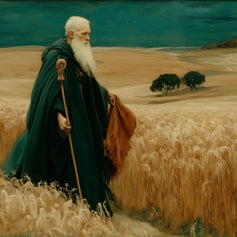
Durum wheat, like soft wheat, is deeply rooted in pagan and magical traditions due to its strong associations with fertility, prosperity, and natural cycles. In agricultural rituals, wheat is used to honor the forces of the earth and the continuity of plant life. Its ability to survive in dry soil and produce abundantly makes it essential in work related to abundance and resource protection. It embodies strength and the reward of hard work.
Central Presence in Agricultural Sabbats
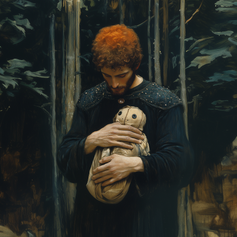
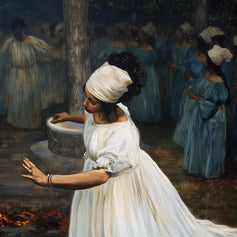
Durum wheat plays a key role in harvest sabbats such as Lammas, Lughnasadh, and Mabon, which mark the ritual calendar of the harvests. During these festivals, the ears decorate altars and serve as offerings, representing the gathered abundance and gratitude toward the forces that sustain the earth. These elements are also used to weave plant dolls or crowns, intended to bless homes and perpetuate the flow of prosperity until the next season.
A Precise Ritual to Attract Luck and Abundance
An ancient rite attributes enhanced power to durum wheat when harvested according to a strict protocol: picking seven ears on July 7th at 7 a.m. This precise moment, rooted in the symbolism of the number seven, is said to open a favorable channel for material wealth and domestic harmony. This sacred harvest is not meant for consumption but for spiritual use on the altar, where it acts as a talisman serving stability, growth, and the sacred bond between humans and the earth.