



Attributes
Hermes is the versatile Greek god of commerce, travelers, messengers, thieves, orators, and diplomacy. He is also the guide of souls to the afterlife, known for his sharp mind, cunning, and ability to cross boundaries between the physical and spiritual worlds, acting as a mediator between gods and mortals.
Correspondence table
| Stones | Agate, Sodalite |
| Planets | Mercury (for his association with communication, commerce, and travel) |
| Day | Wednesday (day associated with Mercury) |
| Related deities | Athena (for her association with wisdom and strategy) |
| Creatures | Hare, Raven |
| Plants | Lavender (plant associated with communication and mental clarity), Mint (plant associated with speed and communication) |
| Signs | Gemini (for its association with communication and versatility) |
| Direction | East (associated with the sunrise and new beginnings) |
| Sabbaths | Not applicable |
| Offerings | Caduceus amulets, turtle figurines, offerings of honey and bread, silver jewelry |
Symbols and appearances
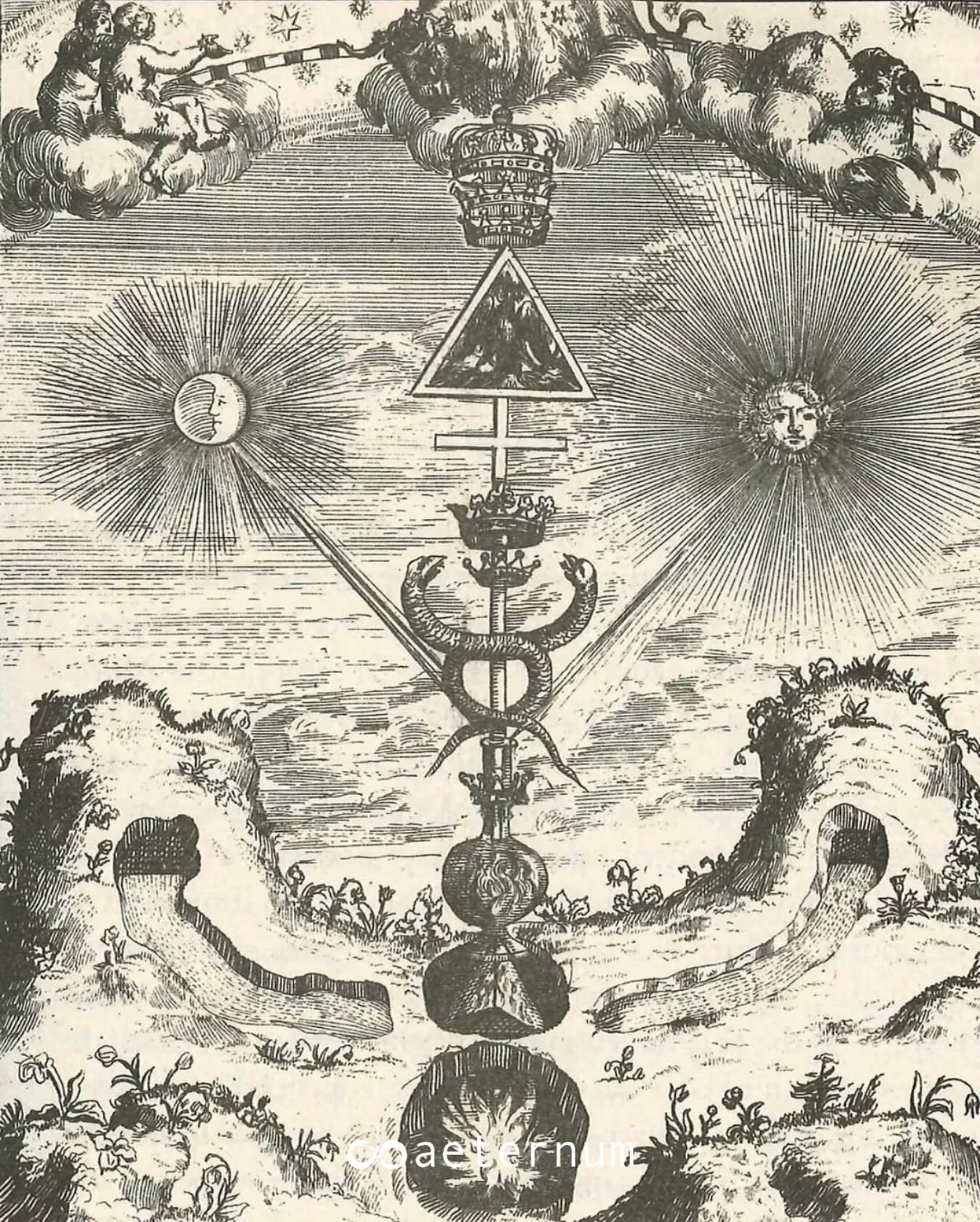
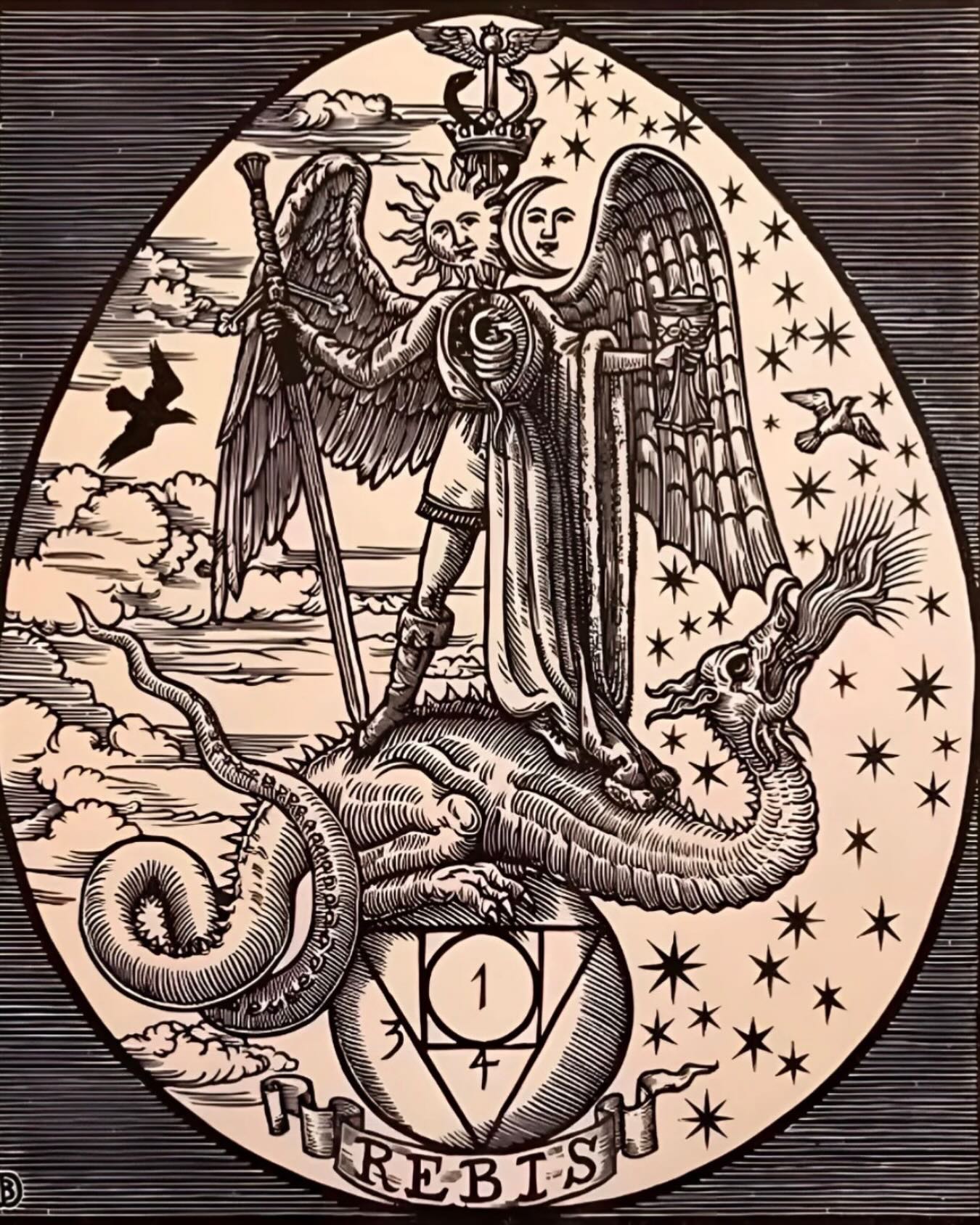
Hermes is often depicted as a young agile god, wearing winged sandals and a winged hat, the petasos, which symbolize his speed and mobility. He holds the caduceus, a staff entwined by two snakes and topped with wings, which has become a universal symbol of peace, commerce, and negotiation. The turtle, which he used to create the first lyre, also represents his ingenuity and creativity.
Genealogy
| Parents | Zeus, Maia |
| Consorts | Aphrodite, Dryope |
| Children | Pan, Hermaphrodite, Autolycus, Priapus, Abderus |
Myths
Among Hermes' exploits, the theft of Apollo's cattle shortly after his birth is one of the most famous, illustrating his mischievous and ingenious nature. As the messenger of the gods, he plays a crucial role in many myths, facilitating communication and carrying out the gods' orders on Earth. His talents as a mediator and his skill in navigating between worlds make him indispensable in Olympus.
Spiritual message
Hermes embodies fluidity, adaptability, and excellence in communication, highlighting the importance of ingenuity and diplomacy in human and divine interactions. His role as a guide of souls reminds us that transition and change are natural components of existence. Hermes encourages embracing mobility and the ability to quickly adapt to different life situations, while using intelligence and creativity to solve problems and facilitate exchanges. His presence in Greek mythology reminds us that communication and negotiation skills are essential for effectively navigating the complex world of human and divine relationships.