





































































































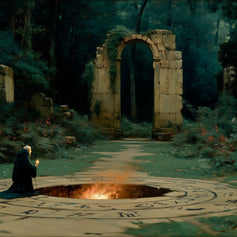

General description of Mani
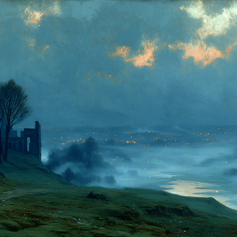
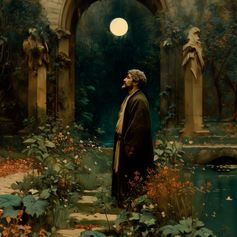
Mani is a Germanic deity associated with the moon and the passage of time. As the brother of Sunna, the goddess of the sun, Mani governs the night and is responsible for the moon’s course across the night sky. He is often worshiped for his ability to illuminate the darkness and mark the passage of lunar months. Mani symbolizes the mystery of the night, reflection, and natural cycles, influencing tides and biological rhythms. He is also linked to concepts of magic and divination, especially through the study of lunar phases.
Correspondence table of Mani
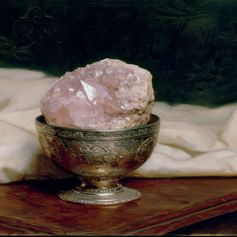
| Stones | Moonstone, selenite, silver |
| Planets | Moon |
| Day | Monday |
| Deities | Sunna, Nótt (goddess of the night) |
| Creatures | Wolf, owl |
| Plants | Willow, poppy |
| Signs | Cancer, Pisces |
| Direction | North |
| Offerings | Milk, honey, white flowers |
Symbols and appearances of Mani
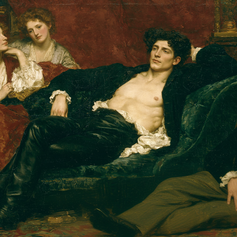
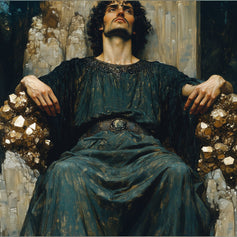
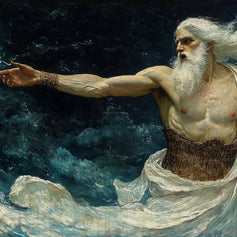
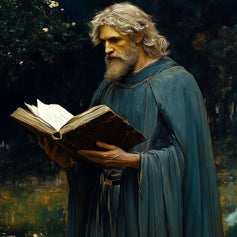
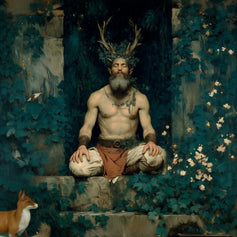
Mani is often depicted as a handsome and serene man, driving a chariot pulled by horses, which is a common image in myths to symbolize the movement of the moon across the sky. Sometimes, he is shown with a pale and shining face, symbolizing the reflected light of the moon. Silver and white colors are frequently associated with Mani, evoking moonlight. He is also sometimes depicted with moon symbols, such as crescents or circles.
Genealogy of Mani
| Parent | Mundilfari |
| Sister | Sunna (goddess of the sun) |
Myths of Mani
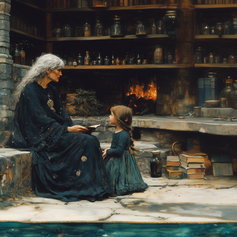
In Germanic myths, Mani is chased by a giant wolf named Hati, who tries to devour him. This chase symbolizes the lunar cycles and the passage of time. According to the prophecies of Ragnarök, Mani and his sister Sunna will eventually be captured by the wolves Hati and Sköll, marking the end of days and the beginning of chaos. Mani is also associated with mortal children whom he takes with him on his chariot, symbolizing the souls of deceased children.