























































































































|
IN SUMMARY...
1. Anne Osmont's Youth |
Anne Osmont, a little-known yet fascinating figure of early 20th-century French esotericism, embodies both the intellectual rigor of a scholar and the sensitivity of a poetess. At a time when the quest for mystery mingled with artistic revolutions, she delved into the secrets of symbolism, magic, and Kabbalah with insatiable curiosity. Who was this passionate woman who moved from literary circles to occult spheres? Introduction.
1. Anne Osmont's Youth
Anne Françoise Eugénie Osmont was born on August 2, 1872, in Toulouse, daughter of Athanase Eugène Osmont, a merchant, and Antoinette Espérou. She received a strict Catholic education at a boarding school in Toulouse, the Lafont boarding school, located on rue des 36 Ponts, now known as the Montalembert-Notre Dame school.
From adolescence, her grandmother, close to a community of Spanish gypsies, passed on knowledge about the medicinal virtues of plants and the influence of the stars, awakening her interest in occult sciences. At the same time, Anne began studying Hebrew, which allowed her to explore Kabbalah and deepen her philosophical and religious studies.
After her studies, she took her first steps in regional journalism, collaborating with publications such as L'Art Méridional and the Messager de Toulouse, where her first texts were published.
2. A Literary Career
In 1898, Anne Osmont moved to Paris, attracted by the intellectual and artistic excitement of the capital. She collaborated with renowned publications, notably La Fronde, a feminist newspaper founded by Marguerite Durand, and in 1902, with the Revue d’art dramatique, where she wrote theater reviews.

Source: Wikipedia
In 1907, she published her poetry collection titled Nocturnes, which was awarded by the female jury of La Vie Heureuse, the predecessor of the Prix Femina. Her poetry, imbued with symbolism, celebrates nature and stands out for its lyrical sobriety, diverging from the sentimental confessions then popular in women's literature.

Sources: Nouvelles Branches
Additionally, Anne Osmont distinguished herself as a translator. In 1922, she translated Gilbert Keith Chesterton's Little History of England into French, helping to introduce the British author to the French-speaking public.
Throughout her career, she also published short stories in newspapers such as Le Journal des débats politiques et littéraires, where "The Enchanter" appeared on September 23, 1924.
Her involvement in Parisian literary circles and active participation in the intellectual life of her time made her a notable figure of the early 20th century.
3. A Private Life Reflecting Herself
Anne Osmont, although discreet about her private life, had around 1897 a significant relationship with Laurent Tailhade, a satirical poet and polemicist from Tarbes, famous for his sharp wit and anarchist commitments.

Source: Wikipedia
Laurent Tailhade, a key figure in Parisian salons, was known for his public provocations and fierce attacks against the established order. He did not hesitate to defy conventions, which led to him being injured during an anarchist attack in 1894, an event that enhanced his notorious reputation. Anne, for her part, brought to this relationship a more introspective sensitivity, shaped by her religious studies and growing interest in esotericism.
Their romance was marked by a contrast between two independent minds but also by mutual admiration. Tailhade is said to have been an inspiration for Anne in her early poetic works, notably Nocturnes, published in 1907. However, differences in temperament and Laurent Tailhade's tumultuous commitments seem to have distanced the two lovers after a few years.
4. Her Commitment to Occultism
Her move to Paris also brought her into contact with major figures of the occultism of the time. She frequented influential personalities such as Max Théon, founder of the Hermetic Brotherhood of Luxor, an English occult organization versed in Kabbalah, and Hector Durville, a master hypnotist and director of the journal Initiation et Science.

Anne also collaborated with Charles Henry, director of the physiology of sensations laboratory at the École Pratique des Hautes Études, a specialist in light and colors, who introduced her to Parisian scientific circles. Another notable influence was François Charles Barlet, pseudonym of Albert Faucheux, a prominent occultist involved in various esoteric movements, including the Kabbalistic Order of the Rose-Cross and the Martinist Order.
Despite solicitations, notably from the Ordo Templi Orientis (O.T.O.) led by Aleister Crowley, Anne Osmont refused to affiliate with institutionalized esoteric movements, preferring to maintain her spiritual independence. Deeply Catholic and a tertiary of Saint Francis of Assisi, she remained faithful to her religious convictions while exploring the mysteries of occultism.
5. Expert in Astral Projection
Around the age of twenty-five, Anne Osmont began regularly practicing astral double projection. She notably recounts an experience where, called by a friend in Istanbul to help her sick husband, she projected herself and, despite hesitation caused by the vision of an imposing statue, managed to accomplish her mission successfully. In the following days, she received a letter informing her of the unexplained recovery of the patient. Later, she demonstrated her abilities by arranging cigarette papers on a table according to a pre-agreed geometry while she was asleep far from any physical contact with these objects.

Source: Nouvelles Branches
In the 1930s, Anne Osmont intensified her esoteric activities by giving numerous lectures and publishing writings on symbolism, metaphysics, and magic. Her work covered various themes, such as the symbolism of forms (the cup, the cross, the disc, the sword, the scepter, the serpent), rhythm as a creator of forces and forms, as well as medicinal and magical plants.
Her lectures attracted press attention, and she became a recognized figure in the Parisian esoteric milieu. She also published works such as Clartés sur l'occultisme in 1947, where she shared the knowledge and experiences accumulated during her life dedicated to the study of occult sciences.
6. Anne Osmont's Major Works
Anne Osmont enriched French esoteric literature with several notable works, reflecting her deep scholarship and passion for occult sciences.
6.1. Symbolism - Language of Forms
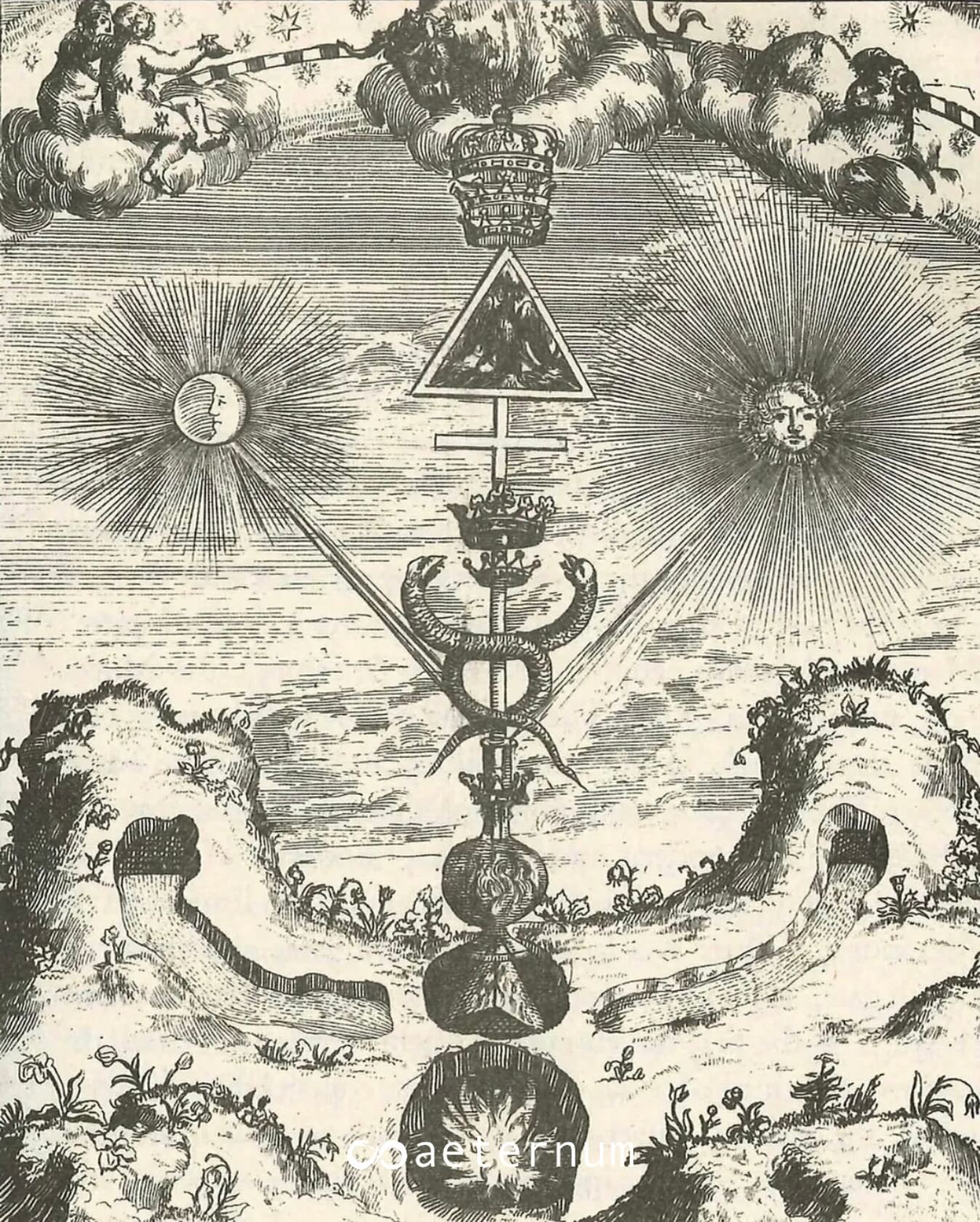
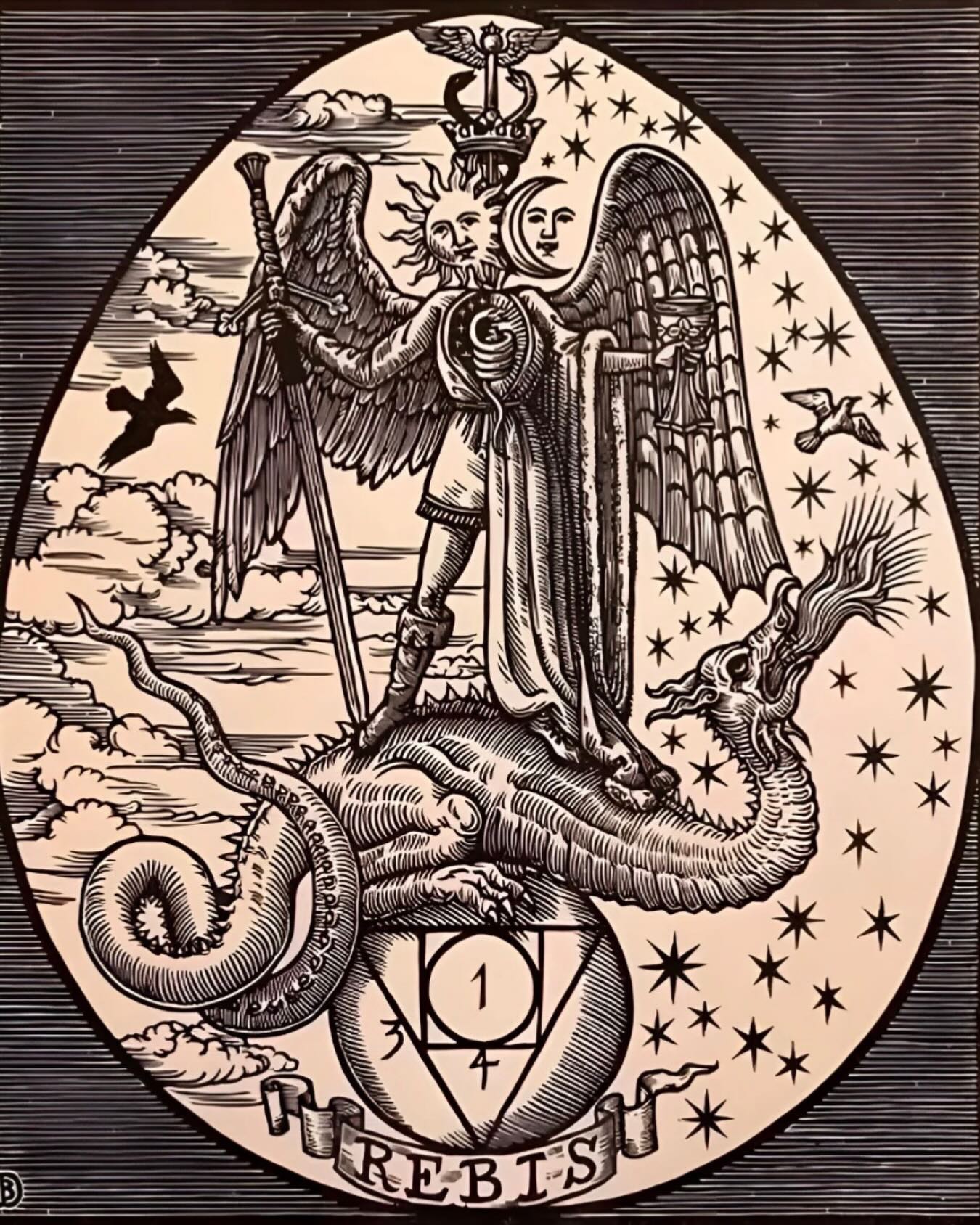
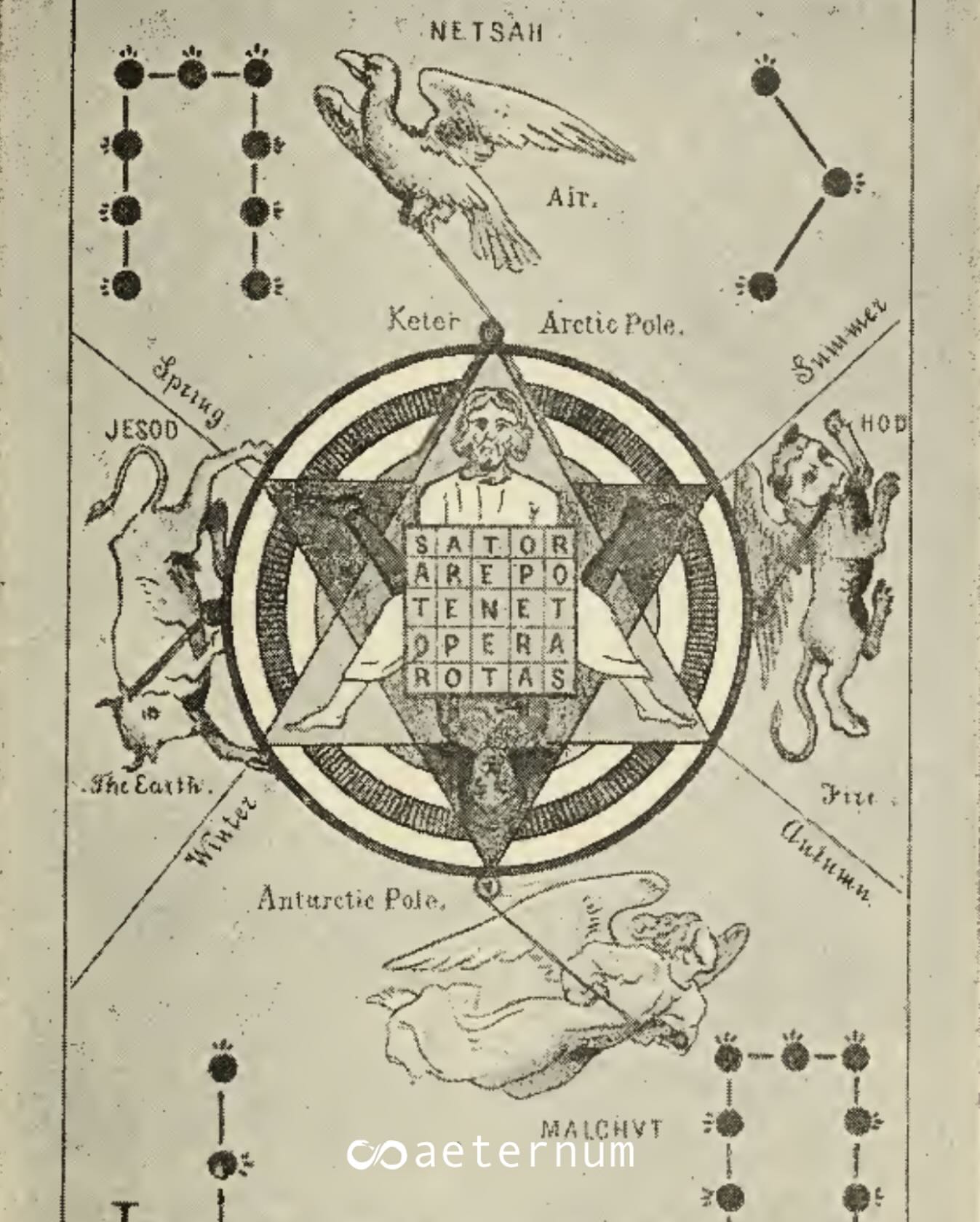
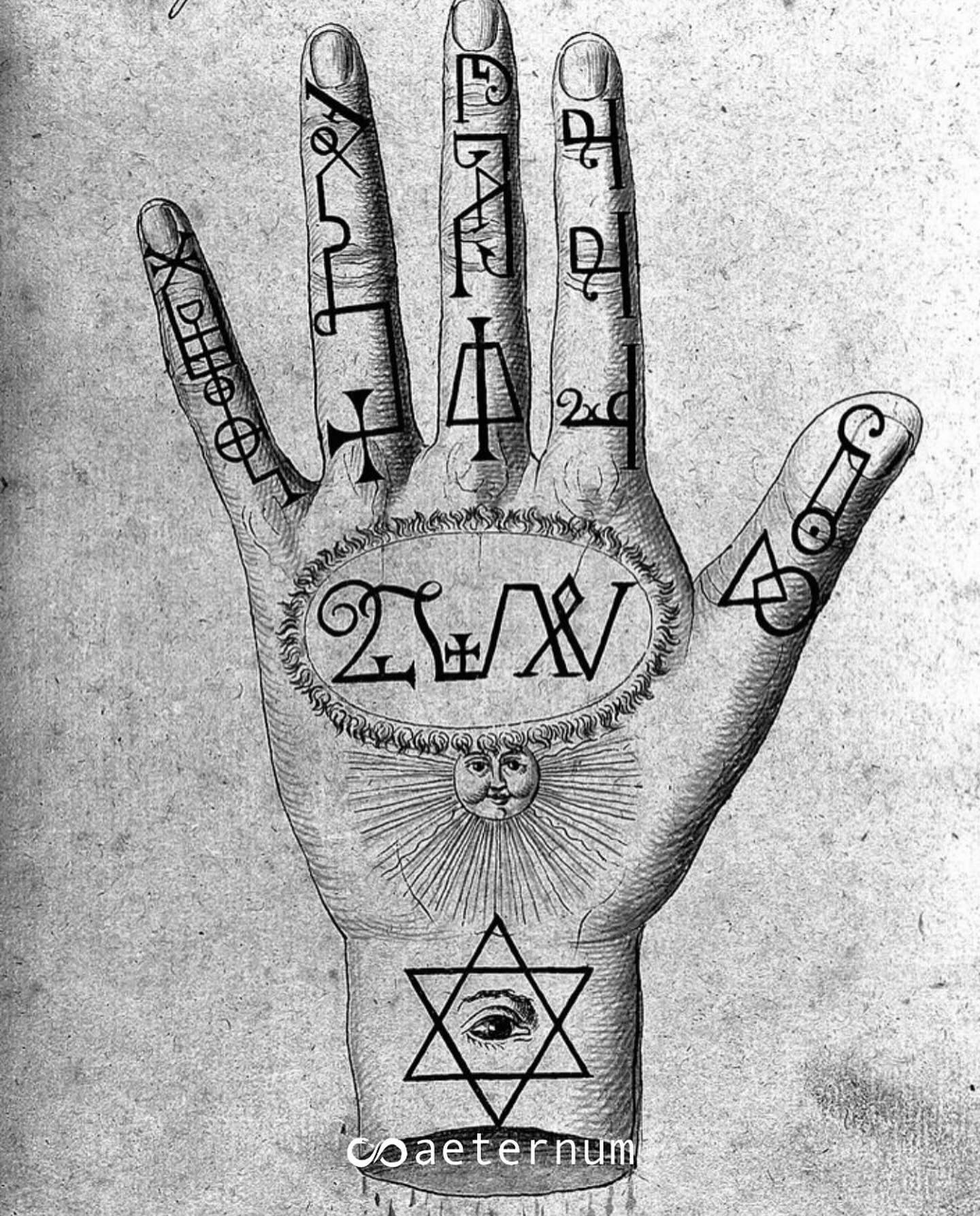
Originally published in 1930 as booklets by Henri Durville editions, this work is an in-depth study of fundamental symbols in the esoteric tradition. Anne Osmont analyzes figures such as the dove, the cup, the cross, the disc, the sword, the scepter, and the serpent, exploring their meaning and role in mystical practices. Her work offers a complementary perspective to that of her contemporaries, enriching the understanding of esoteric symbolism.
6.2. Medicinal and Magical Plants
In this work, Anne Osmont explores the therapeutic and occult virtues of plants, establishing a link between nature and esoteric practices. She details the medicinal properties of various herbs and their use in magical rituals, reflecting her interest in phytotherapy and natural magic.
6.3. Enchantments and Exorcisms Through the Ages
This work offers a historical study of enchantment practices and exorcism rituals, highlighting the methods used through the centuries to influence or counter invisible forces. Anne Osmont also provides protection advice against negative influences, demonstrating her desire to share her knowledge to help others guard against occult dangers.
7. A Quiet End of Life
The last years of Anne Osmont's life were marked by relative discretion, far from the excitement of the literary and esoteric circles that had shaped her career. Nevertheless, she continued to write and pass on her knowledge, remaining faithful to her spiritual quest and religious convictions, reconciling Catholicism and esoteric research, a duality that had always characterized her path.
Anne Osmont lived in a modest apartment where she devoted herself to her personal work. Despite growing interest in her works in certain esoteric circles, she stayed away from the public scene, refusing affiliations with institutionalized occult groups in the name of her spiritual independence.
On May 13, 1953, Anne Osmont tragically died at the age of 80, a victim of gas poisoning due to an accidental leak in her Parisian home. This sudden death ended the life of a woman whose journey, between poetry, symbolism, and occult sciences, left a lasting mark on French esoteric literature.

Source: Nouvelles Branches
Her passing went almost unnoticed in the media of the time, reflecting the shadow into which she had fallen during her final years. However, her works continue to be rediscovered and studied by esotericism enthusiasts.