






















































































































|
IN SUMMARY...
1. A youth immersed in spirituality |
Marie Laveau, nicknamed the "Voodoo Queen of New Orleans," is one of the most captivating and mysterious figures in American history, particularly in Louisiana. Throughout her life, she established herself as a central figure in Louisiana voodoo and feminism, a role that has left a mark on the collective imagination far beyond the borders of New Orleans.
1. A youth immersed in spirituality
Marie Laveau is said to have been born on September 10, 1801 (her birth date remains a mystery) in New Orleans, a city already marked by deep cultural diversity, resulting from the mix of French, Spanish, African, and Indigenous populations. She was the daughter of Charles Laveau, a free man of color, and Marguerite Darcantel, a Creole of African and French origin. Her paternal grandmother, Catherine Henry, was also a notable figure in her life, contributing to her education and the transmission of family traditions. Contrary to some stories, there is no reliable historical account that her father abandoned her. In fact, documents from the time show that Marie grew up in a relatively stable family environment for a woman of color at that period. Her father, as well as her mother, played a significant role in her life, educating her and passing on the cultural and spiritual traditions that would later shape her voodoo practice.
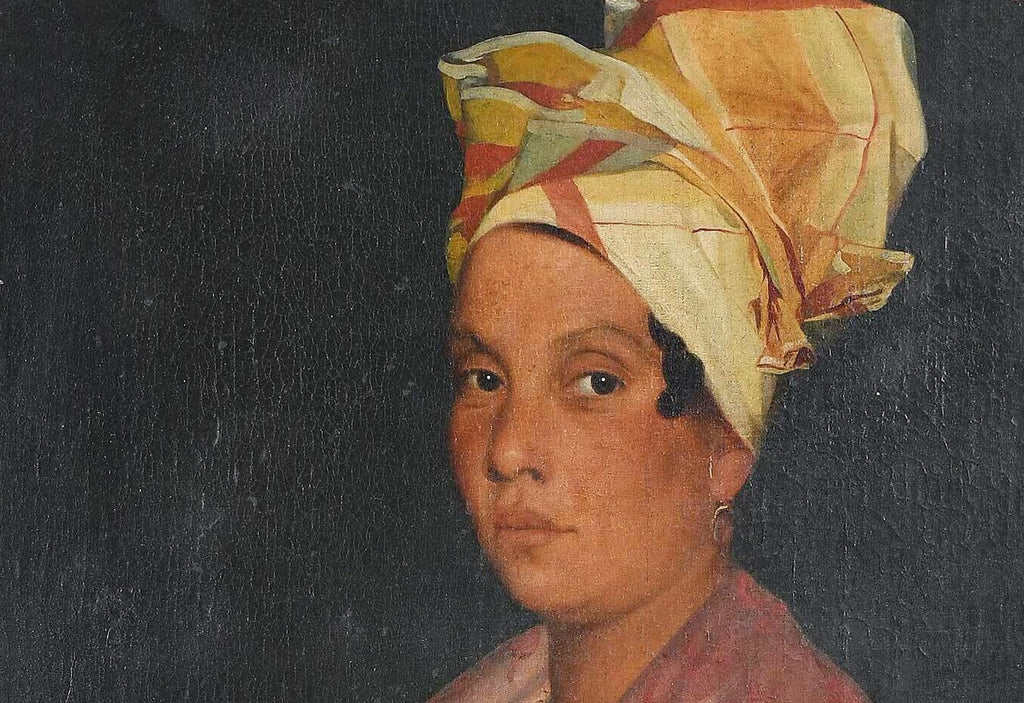
From her youth, Marie was immersed in an environment where various spiritual and cultural practices coexisted. New Orleans at that time was a thriving port city, a place of exchange and meeting between different cultures, which contributed to a rich cultural melting pot. African influences, especially in spirituality and traditional medicine, were particularly strong, shaping the city's unique identity. Also, Marie Laveau’s mother and grandmother played a crucial role in her initiation into traditional African and Creole practices, notably in the use of medicinal plants and voodoo rites. This family heritage laid the foundation for what would become Marie Laveau’s exceptional path as a spiritual leader and healer in her community.
It should be noted that New Orleans in the early 19th century was characterized by its social class system, where free people of color could own property, receive an education, and participate in certain levels of society, which provided Marie Laveau with fertile ground to develop her talents and establish her influence.
2. The social context of Louisiana
At the time Marie Laveau lived, Louisiana still belonged to France. The French Creoles of that era owned many slaves and forbade them from gathering except in a Catholic religious context. However, on the islands of Martinique and Guadeloupe, ceremonies incorporating elements of pagan rites, derived from ancient Mayan traditions, Catholicism, and African voodoo rites, were held. These practices were known as petro.
In the 1720s, these rites began to spread from cities to rural areas, where participants consumed tafia mixed with gunpowder, inducing violent trances. Such practices are still observable in rural areas, more frequently in Martinique than in Guadeloupe. These practices contributed to the occult, even diabolical, reputation of voodoo.
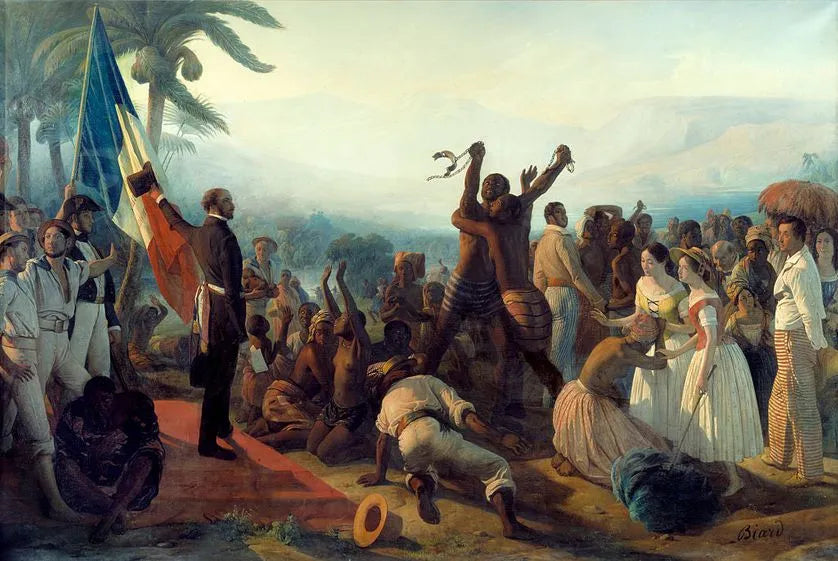
Frequent travels between the islands favored the development of voodoo in the Caribbean and also in Louisiana. After the acquisition of Louisiana by the United States, a slave revolt took place in Haiti (then Saint-Domingue), which led to the massive arrival in Louisiana of freed or runaway slaves from Haiti. With this migratory wave, the establishment and organization of voodoo intensified. The first gatherings were held at Bayou St. John and near Lake Pontchartrain (in New Orleans). From 1817, the practice of voodoo began to worry slave owners, who then banned any gatherings outside of previously fixed zones and times. Thus, it was on Sunday afternoons, at Congo Square, that slaves and freed people gathered for their voodoo dances, although secret ceremonies to practice authentic voodoo also took place, mainly centered at the time around the serpent cult.
3. From hairdresser to voodoo priestess
Marie Laveau’s rise to fame and her crowning as the "Voodoo Queen" of New Orleans is part of a trajectory both personal and communal, marked by her commitment, talent, and wisdom. Her rise to notoriety was the result of a confluence of factors: her family heritage, her exceptional mastery of healing and spiritual practices, as well as her skill in forging close ties both within her community and with individuals from all social backgrounds.
3.1. A hairdresser who listens
Working as a hairdresser, Marie Laveau had access to the homes of wealthy white families, which allowed her to gather valuable information and gossip. This information helped her consolidate her status as a spiritual advisor and healer, thus strengthening her reputation across all layers of society. Her intimate knowledge of her clients’ personal affairs and secrets gave her a considerable advantage, both in her voodoo practices and in her ability to navigate and influence the complex social dynamics of New Orleans at the time.
3.2. A healer and mambo voodoo priestess
Marie Laveau was renowned for her extraordinary skills as a healer. Her deep knowledge of medicinal plants, inherited from African and Creole traditions, allowed her to treat various ailments, from infertility to infectious diseases, earning the trust and admiration of many New Orleans residents. She was also sought after for her spiritual advice, offering support and guidance to those at crossroads in their lives or seeking to overcome personal obstacles. She notably opened the establishment La Maison Blanche to practice her divinations and rituals, sell her gris-gris and magical herb mixtures, and welcome her clients. She reportedly had a snake nicknamed Zombi that never left her side. She was quickly considered a mambo voodoo priestess, the highest priestess rank.
3.3. Occult rituals and voodoo ceremonies
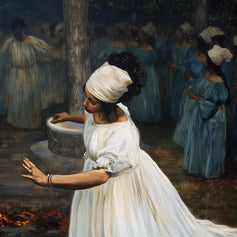
The voodoo rituals orchestrated by Marie Laveau attracted large crowds, composed of members of the African American community as well as individuals from other backgrounds, curious to discover these occult practices as her fame grew. These ceremonies, often held on the shores of Lake Pontchartrain or in Bayou St. John, were events mixing singing, dancing, and spiritual invocations. Through these rituals, she not only celebrated and preserved voodoo traditions but also created a space of communion and healing for all participants. More unofficial ceremonies also took place, mixing divination, spiritualism, magic,...).
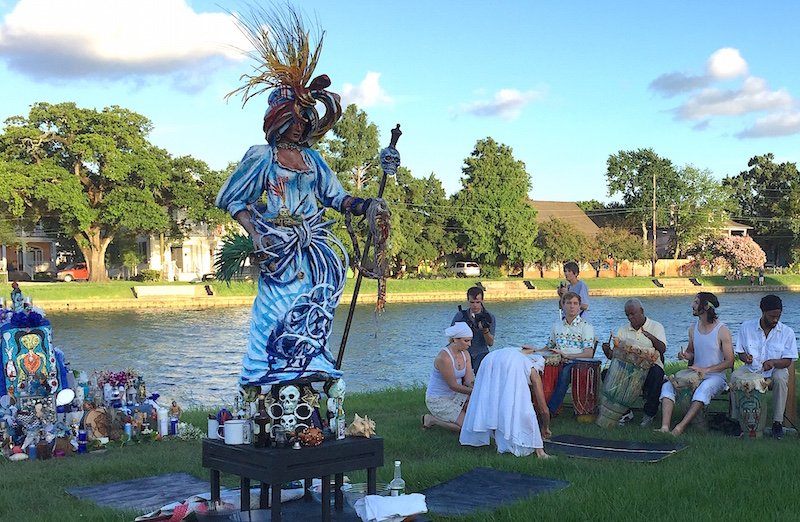
Voodoo, as practiced by Marie Laveau in New Orleans, is a complex spiritual system that draws its origins from the religious traditions of West Africa, brought to the New World by African slaves. This spiritual tradition then blended with local beliefs and practices, notably Catholicism, to form a unique practice reflecting the diversity and cultural complexity of New Orleans. Voodoo beliefs center on the veneration of spirits, known as Loas or Lwas, who are considered intermediaries between the divine and the human world. Each Loa has its own domains of influence, ranging from protection to healing, justice, and love. Voodoo followers believe in a supreme creator God, Bondye, who is distant and inaccessible, making the worship of the Loas essential to intervene in human affairs. Voodoo also places great importance on ancestors, considered spiritual guides and protectors. Voodoo rituals and ceremonies thus aim to establish communication with the Loas and ancestors to seek their help and advice.
3.4. Influence on the community
Marie Laveau’s influence went far beyond medical care and spiritual advice. She played a role as a social mediator, intervening in disputes, helping resolve conflicts, and even obtaining clemency for those facing justice. Her network extended to influential city personalities, allowing her to act effectively for the well-being of her community. Thus, Marie Laveau’s fame as Voodoo Queen was not only due to her individual talents but also to her ability to embody and transmit the spirit of voodoo, a spiritual practice deeply rooted in African history and culture, adapted and reinvented in the context of the African diaspora in America. Her life and work helped make voodoo an essential element of New Orleans’ cultural identity, and her legacy continues to influence the city and beyond.
Marie Laveau’s stature as Voodoo Queen rests on a combination of spiritual skills, community engagement, and deep empathy for others. Her life is a testament to the power of voodoo not only as a religious practice but also as a social and cultural force, capable of weaving bonds between individuals beyond barriers of race, class, and belief.
4. Widow Paris
On August 4, 1819, Marie Laveau married Jacques Paris, a free man of color originally from Haiti, like her. Shortly after, in 1820, Jacques Paris died under mysterious circumstances, leaving Marie with the nickname "Widow Paris." Jacques was a member of the large Haitian community in New Orleans, composed of former slaves, free people of color, and white planters fleeing the Haitian Revolution of 1804. The arrival of these Haitian immigrants breathed new life into voodoo traditions, enriching the culture and spiritual practices of the local Black community with their ancestral African rituals.
Marie later found companionship and love with Christophe Louis Dumesnil de Glapion, with whom she shared her life until his death in 1835. The couple had 15 children, some bearing the name Paris in honor of Marie’s first husband, while others were named Glapion. Among them was Marie Glapion, who followed in her mother’s footsteps in voodoo practice and became known as Marie Laveau II after her mother’s death, continuing the family legacy as a voodoo priestess.
5. The legacy and posterity of Marie Laveau
Marie Laveau passed away on June 15, 1881, leaving behind a rich and complex legacy. Her death marked the end of an era, but her spirit and teachings continue to live in the hearts of those who follow the paths of voodoo. Her life, intertwined with reality and legend, remains a source of inspiration and fascination, testifying to the power of faith and commitment to community.
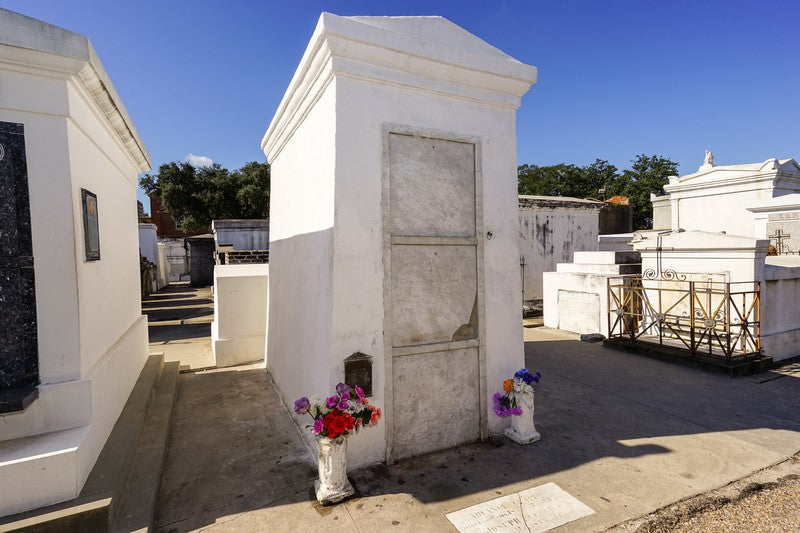
Several sites in New Orleans are closely linked to Marie Laveau’s legacy, becoming pilgrimage places for those wishing to connect with her spirit or explore the history of voodoo in the city:
-
Marie Laveau’s tomb: located in Saint Louis Cemetery No. 1, Marie Laveau’s tomb attracts visitors from around the world. Many come to pay tribute, leaving offerings or marking three X’s on the tomb in the hope that their wishes will be granted.
-
Marie Laveau’s house: although the original house no longer stands, the location where Marie Laveau lived and practiced her rituals remains a point of interest. Tours and guides often recount her story and impact on the city during visits to the French Quarter.
-
Lake Pontchartrain and Bayou St. John: these places were known to host voodoo ceremonies under Marie Laveau’s direction, attracting followers and curious people to participate in rituals and celebrations.
6. Legends surrounding Marie Laveau
6.1. Acquiring her house
One of the most famous anecdotes about Marie Laveau tells how she became the owner of her house. A Creole notable, faced with a desperate situation, called on her for help: his son had been arrested for murder and seemed destined to be condemned without hope of acquittal. In exchange for her assistance, he promised Marie Laveau a house. The night before the trial, Marie spent the night praying at Saint Louis Cathedral, keeping three peppers in her mouth as part of her ritual. The next day, before the trial began, she discreetly placed the peppers under the judge’s seat. To everyone’s surprise, the judge delivered a verdict of acquittal in favor of the son, against all odds.
6.2. The executioners’ fear
Another legend says that Marie Laveau, who used to visit condemned prisoners to bring them comfort, was once moved by the story of two condemned men. She assured them they would not die. During their hangings, the ropes broke. Thus began the legend of Marie Laveau, and even the executioners began to fear her and her powers, obtaining permission to carry out executions behind closed doors.
6.3. Her daughter and immortality
The legend also says that Marie Laveau had the gift of immortality or had found a way to reincarnate, contributing to the confusion between her and her daughter, who shared her name and some aspects of her practice, and who was reportedly seen by several individuals. This ambiguity strengthened the mystery surrounding her figure, leaving doubt about the limits of her life and the extent of her powers. It seems in fact that her daughter Marie Glapion (or Marie Laveau II) carefully maintained her resemblance to her mother after her death to continue her legacy and create confusion. Despite this, many still believe they were one and the same person.
Thus ends the portrait of the most famous voodoo queen in the world. Her legacy is still very visible in New Orleans, and she left an indelible mark on the world of esotericism through her conviction and talent.