






















































































































|
IN SUMMARY...
1. Origins and Historical Heritage of the Summer Solstice |
The June sun reaches its zenith at the summer solstice, and with it comes Litha, one of the major annual festivals of the pagan tradition. Litha – also called Midsummer by English speakers – celebrates the longest day of the year, that moment when light triumphs before beginning its slow decline toward winter. For a very long time, midsummer has been hailed as a blessed period of vitality and abundance. Many civilizations have seen it as a pivotal phase in the natural cycle, conducive to spiritual celebrations and connections between humans and nature. Introduction.
1. Origins and Historical Heritage of the Summer Solstice
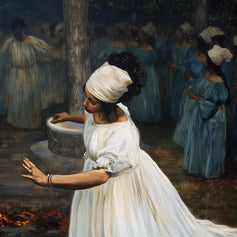
Long before the Litha sabbat was part of the Wiccan Wheel of the Year, the summer solstice was celebrated with festivities in many cultures. Ancient Northern European peoples marked midsummer with ritual fires and dawn vigils. Closer to us here in Brittany, the Celts lit large bonfires at sunset on the eve of the solstice and let them burn until the following evening. Around these braziers, communal dances and songs took place. People danced in circles and jumped over the blazing flames as a rite of purification and courage, for these sacred fires drove away evil spirits and protected the crops and herds. In other regions, flaming torches were carried around fields and livestock to ward off bad luck.
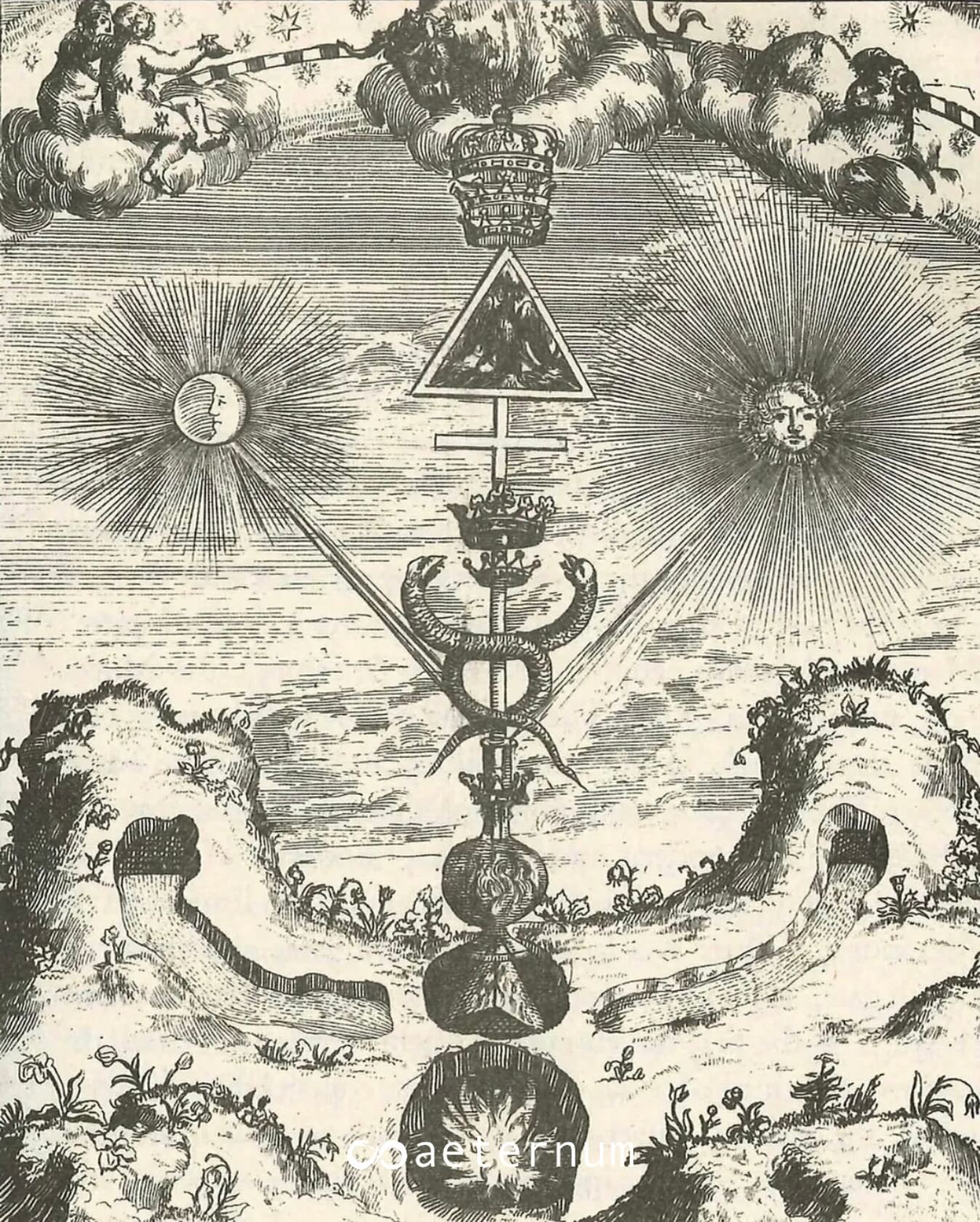
European traditions abound with customs related to St. John’s Day (June 24), a Christian feast modeled on the solstice period. Despite Christianization, the ancestral spirit of the celebration persists through the famous St. John’s fires lit across Europe at this season. This syncretism testifies to the enduring importance of the summer solstice for rural communities: it was not only a sign of the sun at its peak but also a marker for the agricultural and social calendar. In some legends, it is said that on this day the Sun pauses briefly to marry the Moon, a poetic image illustrating the union of the solar masculine and lunar feminine at the heart of summer. Two opposing symbols – water and fire – are particularly associated with this date. On one hand, solstice fires blazed on the hills to celebrate light and ward off harmful forces; on the other, springs and morning dew were invested with magical virtues. In fact, in some rural areas, medicinal herbs are gathered at dawn on the solstice, bathed in dew, then used to prepare a herbal water with which people wash their face and hands to gain health and protection for the coming year.
The very name “Litha” deserves a historical mention. This term comes from Old Anglo-Saxon, mentioned by the chronicler Bede the Venerable (a monk whose mission was to create Christian celebrations) to designate the summer months around the solstice. According to some interpretations, Līða means “mild” or “navigable,” referring to the gentle breezes and calm seas of the beautiful season.
2. Practices and Celebrations of Litha
At the heart of Litha is the homage paid to the triumphant sun. Everywhere, fire is the key element of this festival. At sunset on the solstice day, bonfires rise, echoing the ancient pyres that lit up the shortest night of the year. Dancing around the flames under the starry summer sky continues the presence of the sun, as if to thank it for its generosity and hold back a little its inexorable journey toward winter. The warmth of the fire brings the community together in an atmosphere of joyful sharing. Songs, music, and stories accompany these solstice vigils. Even when the weather is fickle, the flickering flame of a candle on the altar is enough to represent the sun and recall its benevolent power.

Litha is also a privileged moment for communion with nature at its peak. The earth is lush and generous at this late June time: gardens overflow with flowers, fields ripple with green wheat, trees are covered with thick leaves and budding fruits. Witchcraft tradition holds that herbs gathered at dawn on the solstice have increased effectiveness. At sunrise on Litha, people go out to gather wild and medicinal plants, still beaded with dew, to make magical reserves. St. John’s wort, mugwort, elderberry, thyme, chamomile, vervain… all these St. John’s herbs are traditionally harvested at this time and dried to be used later in potions, teas, or protective sachets. Summer flower bouquets are also made to decorate the home and altar, symbolizing the ephemeral beauty of summer in bloom. This practice of sacred gathering goes back a long way: in Wales, the solstice day was once nicknamed Gathering Day, in honor of these ritual herb harvests.


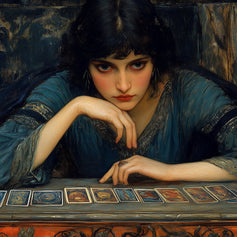
The night of Litha is also steeped in an enchanted atmosphere: the boundary between the visible and invisible worlds becomes ever thinner around the solstices. Like Samhain in autumn, the summer solstice is a favorable time to feel the presence of nature spirits and the fairy Folk. In the past, it was said that fairies came out to dance in clearings on the eve of St. John’s Day, and the tradition was to leave milk, honey, or flowers as offerings to the earth spirits. Likewise, the practice of divination is associated with Litha. One can sit near the Litha fire and watch its dancing flames to receive visions or intuitions about the coming months – a form of natural pyromancy. In Cornwall until the 18th century, people even observed the number and shape of distant bonfires on the hills on solstice night to read omens for the future. Litha thus invites opening one’s mind wide to the signs and subtle energies surrounding us at midsummer.
Certain traditions related to love and commitment also flourish around the summer solstice. In Wicca, it is customary for couples who were handfasted (symbolically united) in spring at Beltane, “a year and a day” ago, to use Litha to formalize or renew their vows. The middle of the year then appears as a favorable moment to celebrate unions and fertility under the sun’s gaze. More generally, the themes of sacred marriage and fertility are omnipresent at Litha. Mother Earth is fertile and life-bearing at this stage – animals have given birth in spring, fruits are forming, harvests are approaching – and this vitality is reflected in the rites. Litha thus exalts the union of human and natural, masculine and feminine, in a great surge of life.
Finally, it is also a favorable time for spiritual protection. Plant talismans made in the days before Litha are consecrated by passing them over the St. John’s fire. The smoke purifies and charges the amulet, which can then be kept on one’s person or in the home to ward off negative energies for the rest of the year.
3. Symbols, Correspondences, and Meanings of Litha
Litha is rich in powerful symbols that speak to both the senses and the soul. The first of these is obviously the sun itself, at the height of its radiance. The day star permeates the entire festival with its presence: it is in its honor that the fires burn, warm colors dominate, and seasonal flowers bloom. Its light is synonymous with life – it is celebrated in gratitude for the coming harvests and saluted because from the next day it will begin to wane. The element traditionally associated with Litha is unsurprisingly Fire, the principle of light, heat, and transformation. Every flame lit that day, from the smallest candle to the largest bonfire, is a microcosm of the sun symbolically placed at the center of the rite. Fire purifies, protects, and revitalizes, just as the sun’s rays nourish the earth and drive away darkness.
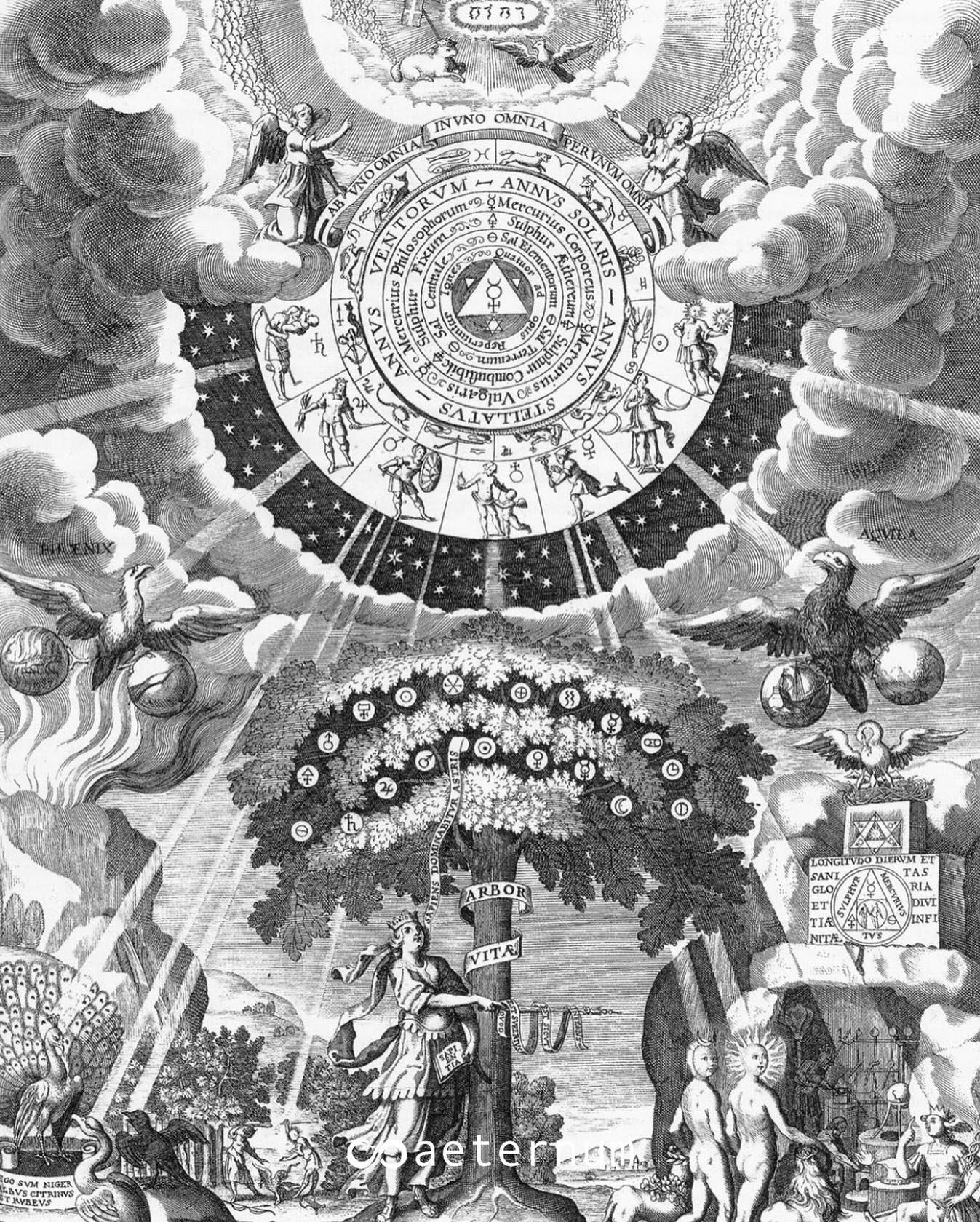
The palette of Litha colors reflects the season’s duality: it includes the golden yellow, orange, and red of embers and the blazing sun, but also the deep green of midsummer forests and the blue of the clear sky or summer ocean. Decorating one’s altar or home with these colors strengthens harmony with the sabbat’s energy. Green cloths, golden ribbons, yellow or bright red candles adorn the celebration. Likewise, flowers and plants hold a place of honor in Litha’s correspondences. The oak, the royal tree of summer, is a major emblem – it symbolizes strength and longevity, and it is the one thought of in the legend of the Oak King who rules the waxing half of the year. Oak leaves are often hung or placed on the altar as a sign of solar power. The St. John’s wort, a small bright yellow flower nicknamed St. John’s herb, is an almost inseparable plant from the summer solstice: it is reputed to drive away darkness and demons, and is traditionally harvested at Litha for its protective and medicinal virtues. Other plants associated with this season include mugwort (a plant of clairvoyance whose crown worn on the head on Litha night favors visions), the sacred mistletoe which, according to some accounts, had to be gathered by druids at solstices, as well as hops and elderberry which ripen at this time. Wildflowers with bright colors – red poppy, white daisy, sunflower turned toward the sun – bring their simple beauty to Litha altars. Crowns of seasonal flowers and leafy branches are woven to wear on the head or offer to nature as a sign of rejoicing. Each plant brings an energy: the rose evokes love and friendship shared in summer, lavender purifies and soothes, the white lily embodies spiritual light at midyear, and so on.

Regarding stones and crystals, Litha correspondences include anything that recalls solar brilliance or the earth’s greenery. Ancient druidic traditions associate gems like amber, yellow-orange citrine, tiger’s eye, diamond, and green emerald symbolizing the nurturing earth goddess with Litha. Jade, green aventurine, or sun quartz are also mentioned in some grimoires to capture the energy of this period. Placing these stones on the altar or wearing them as talismans during the solstice helps align with seasonal vibrations: courage, joy of life, prosperity, and radiant love.
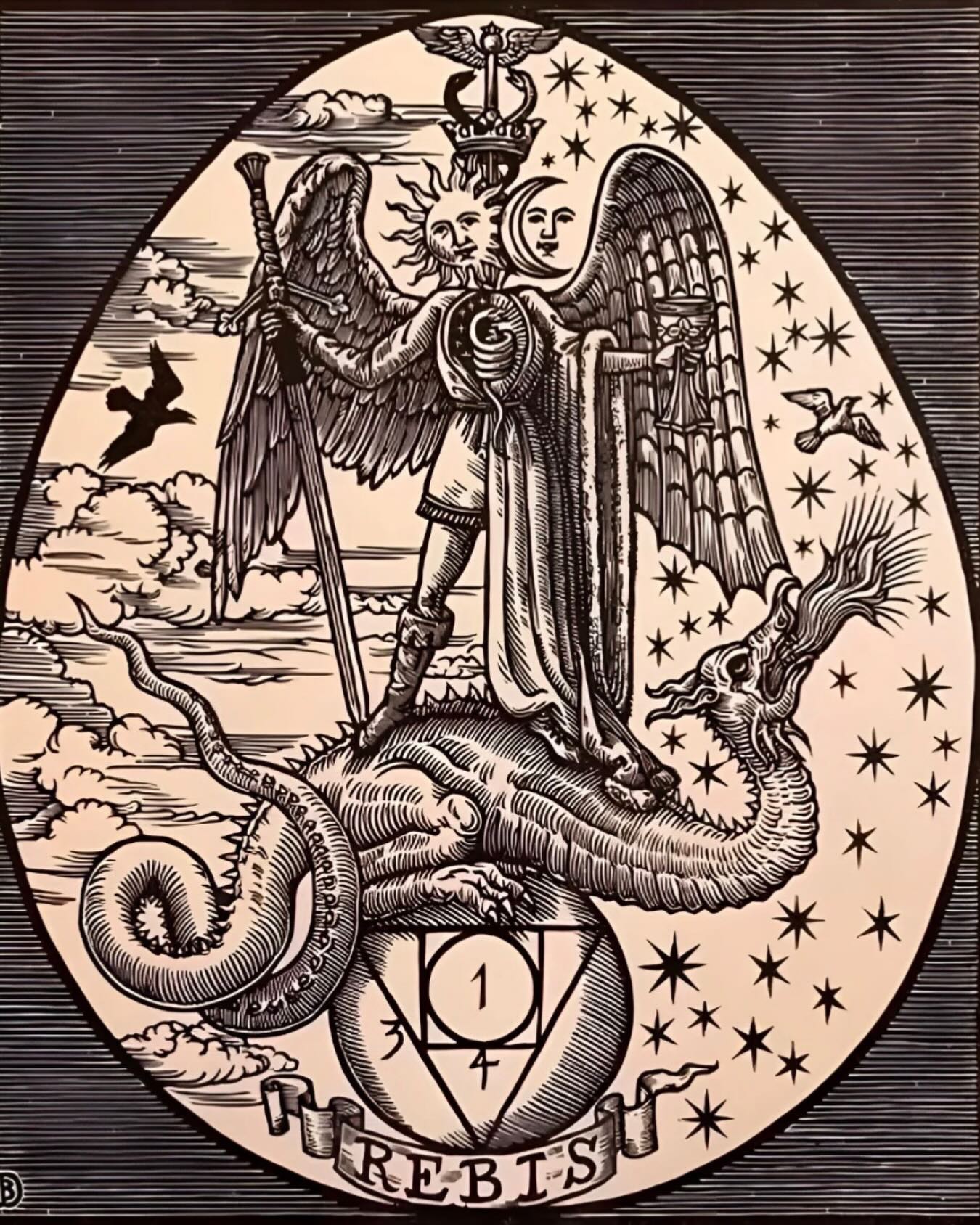
On the mythological and theological level, Litha is a moment of dynamic balance between complementary forces. It is the peak of the sun God’s dominion, conceptualized as a King or Horned One, facing the earth Goddess who embodies the ongoing fertility of the cycle. At the Litha sabbat, the Mother Goddess is traditionally depicted as pregnant, for she carries the divine child to be born at the following winter solstice (Yule). The God, her solar consort, is at the height of his vigor, symbolizing the sun at its highest in the summer sky. This sacred union between the divine Mother and Father breathes into nature its exuberance of the moment – gestation is honored in view of the prosperous future harvests, evoking the earth full of life and promise at midyear. Yet, at the height of this glory lies the seed of change: the solar God knows he will now lose strength as the days shorten. This notion is found in the Celtic myth of the Oak King and Holly King, dear to pagans. The Oak King, benevolent master of the waxing half of the year, triumphs at Litha – but from this day, he begins his surrender and gradually passes his power to his counterpart, the Holly King, who will reign over the waning half until Yule. Litha thus marks the handover between these two symbolic kings: one declines while the other grows. It is a tipping point, a turning point in the cosmic cycle.
Litha is the sabbat of abundance, light, and gratitude, but also of awareness of cycles. It celebrates the generosity of the earth and sun – thanking the sun for the warmth, growth, and fertility it has brought since spring. Beehives are full of honey, fruit trees begin to bend under ripening fruit, cereal fields have turned green, and the promise of harvests is visible. This summer opulence delights the heart: it is time to savor life, feast outdoors, and feel in tune with nature in all its flourishing. But simultaneously, Litha teaches humility before the great natural order, for as soon as the sun reaches its peak, it begins its retreat. The wheel of the year turns inexorably – after expansion comes contraction, after growing light comes growing shadow. Litha celebrants know this well. Rather than seeing it as a sad fate, they embrace this rhythm as deep wisdom: every peak contains the seed of change, and accepting this transition is part of the celebration. Litha thus offers a dual spiritual reading. On one hand, it is a festival of joy, human warmth, and direct connection to the simple pleasures of the material world (sun on the skin, abundant food, shared love). On the other, it is a rite of passage toward upcoming introspection, a gentle preparation for the gradual descent into the darker part of the year when one will harvest and then reflect.
By fully living this summer solstice, pagans seek to capture the energy of the moment to carry it within as a reserve of inner light. Litha invites radiating from within in harmony with the sun in the sky. It is a favorable time for meditations or prayers of gratitude during the solstice day, taking advantage of solar noon (when the sun is highest) to recharge vitality and recall blessings received since the start of the year. It is a way to pause in life’s whirlwind, appreciate the path traveled, and prepare to begin the second half of the year with strength and clarity.
Thus, Litha is a rich and complete sabbat, closely blending the carnal and the spiritual, history and the present, earth and sky. The tone of this celebration is both educational and deeply human: everyone can find personal meaning – whether celebrating the joy of being alive during the bright days, thanking the divine sun, or meditating on the necessity of the changes beginning. Litha teaches us to welcome the light at its fullest while embracing the emerging shadow, in an eternal dance of balance.
Sources:
-
Delphine Kermelo, “Litha, a Wonderful Celebration,” Productions Nouvelle Lune, 2021.
-
Boston Public Library, “The Origins and Practices of Litha,” BPL Pagan Archives