



Summary...
You are probably familiar with the Magic Circle, very often represented in invocation or protection rituals, and in witchcraft symbolism, like the Pentacle, and mistakenly presented as the only way to contain energies and invocations within a space. But do you know the Magic Triangle? This concept might somewhat shake your perspective, as this shape is absolutely necessary for any magical ritual.
1. Introduction to the Magic Triangle
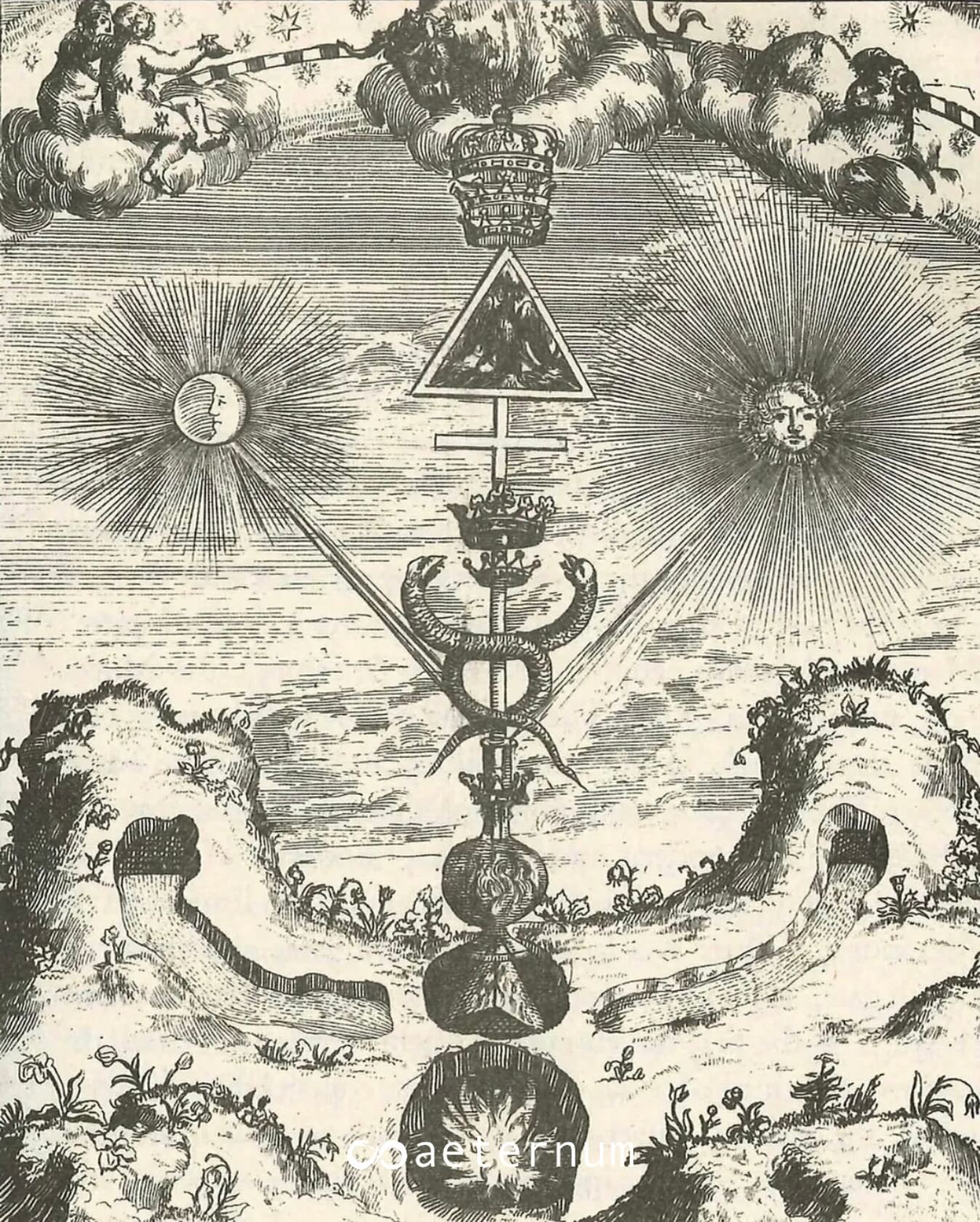
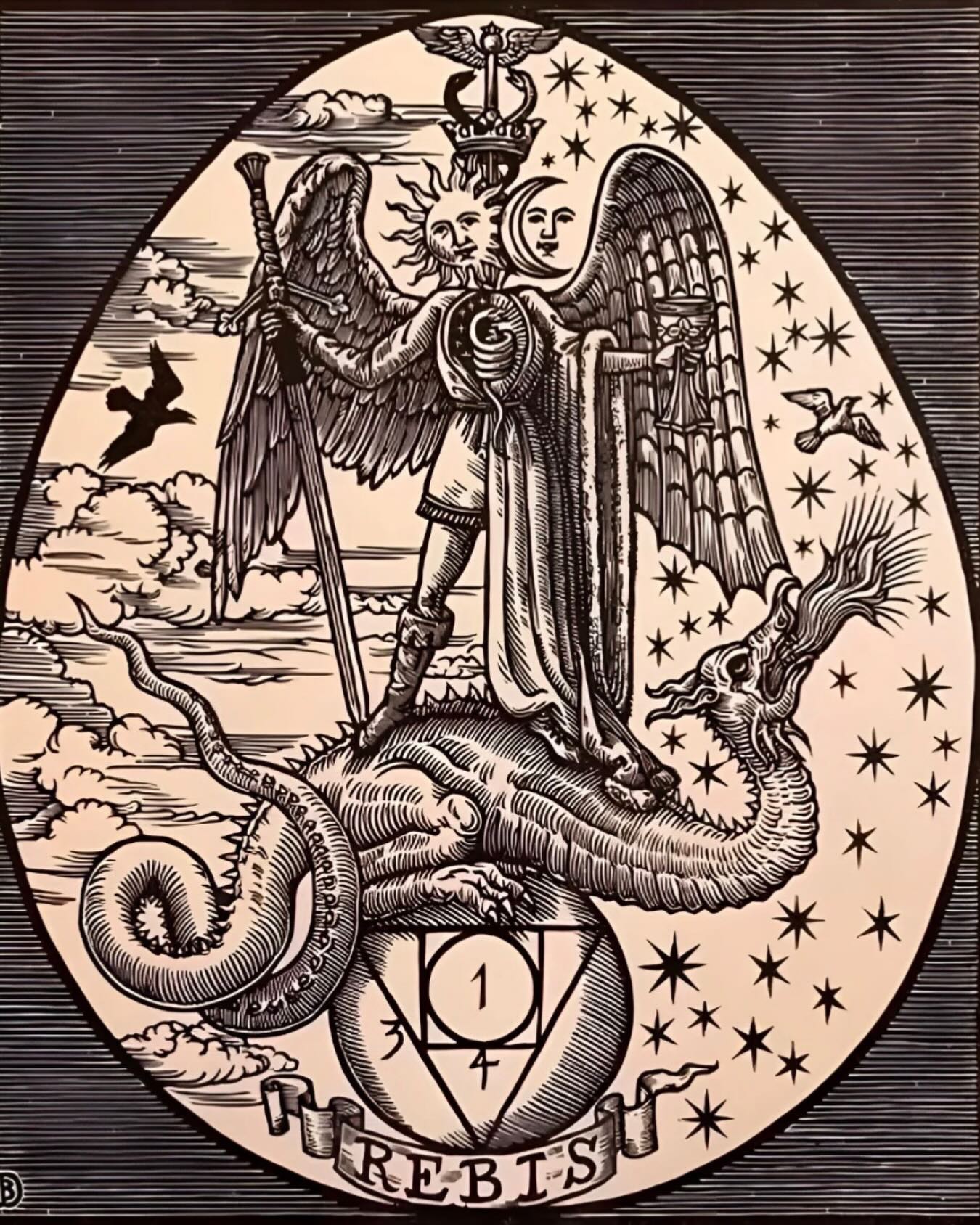
In contrast to the Magic Circle, which embodies the notions of infinity, eternity, and establishes a connection with the divine, the beginning and the end, the Magic Triangle is the quintessential symbol of the materialization of all existence and creation. Understanding the symbolism of the Magic Triangle, as well as other tools used in magic, is absolutely essential for the effective conduct of evocation rituals (not invocation, we will see the difference a bit further down).
Grimoires and witchcraft manuals emphasize the crucial importance for the magic practitioner to use a Magic Triangle on one hand, and to verify the proper manifestation of the evoked spirit on the other. In other words: evoke an entity you can control and do not do it lightly. This appearance within the Magic Triangle is considered a cornerstone of evocation magic rituals. Indeed, no entity can fully manifest without the magician mastering and understanding the symbolism and intrinsic meaning of the triangle as a shape. This geometric figure is a key that unlocks the doors of spiritual reality, allowing the summoned forces to fully manifest in our plane of existence, and safely so.
2. Symbolism of the Mystic Number
The Magic Triangle represents the pattern of the three-dimensional world as we perceive it, encompassing the mental, astral, and physical dimensions. Any energy acting in the physical world will have first passed through these other two dimensions.
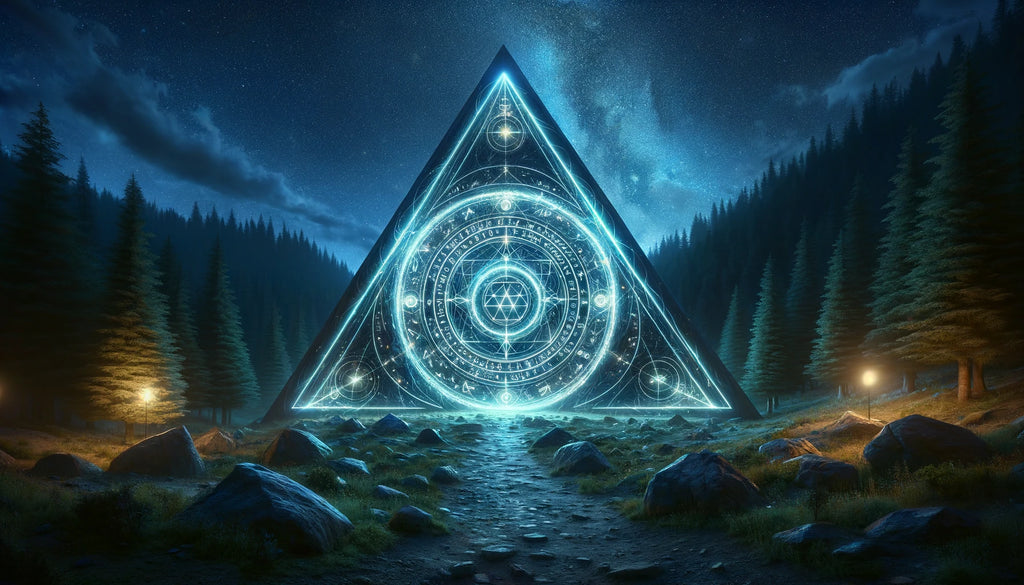
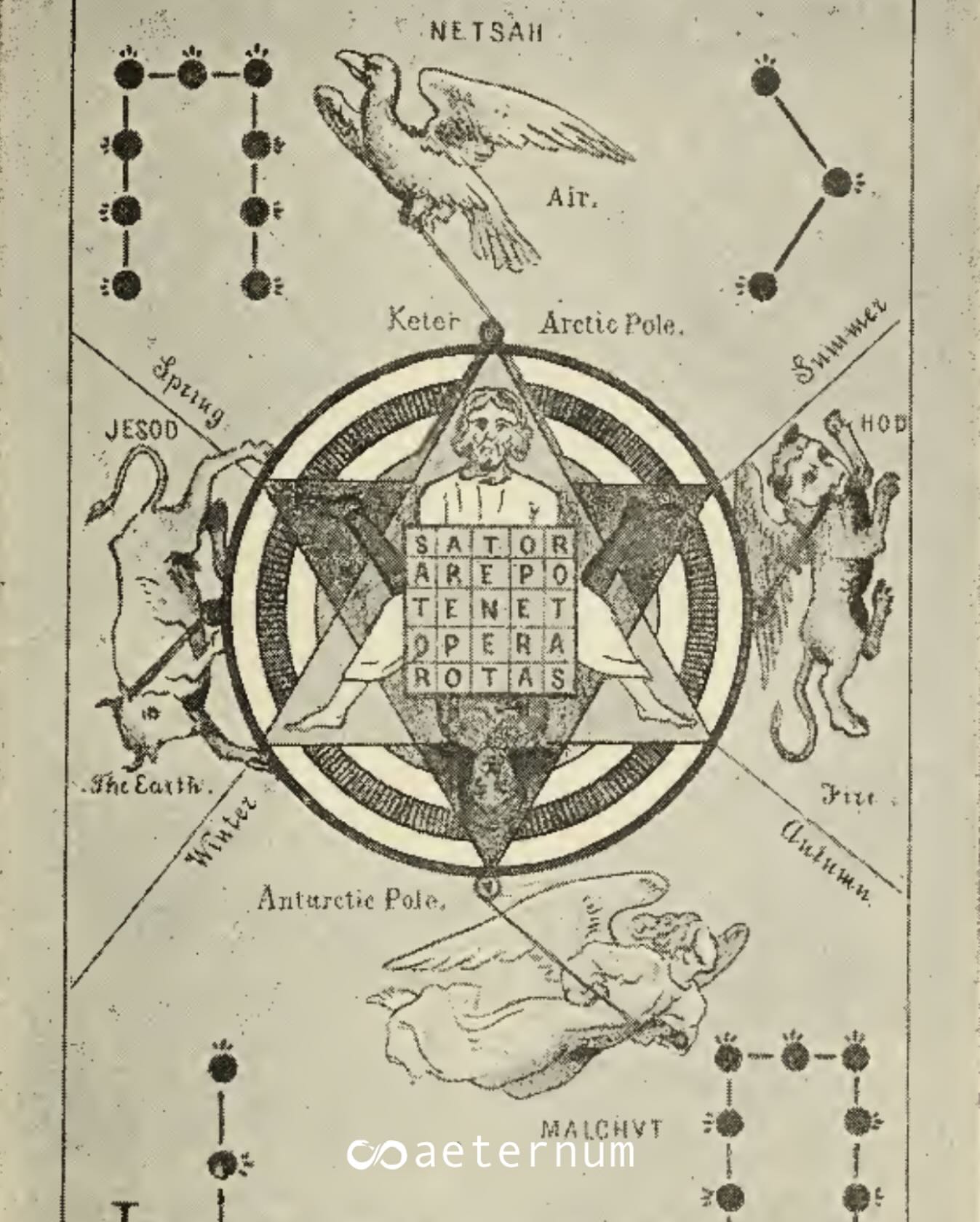
The construction of the Magic Triangle, with its apex pointing East, symbolizes the union of two forces or powers emanating from this point of origin, moving to the right and left before converging. This arrangement illustrates the fusion of the two universal powers, positive and negative, united by the horizontal line. This configuration represents causes in action, astrologically associated with Saturn, itself linked to the mystic number three. In other words, the configuration of the Magic Triangle embodies the primary principles or causes at work in the universe. These active causes are the fundamental dynamics that underlie and animate reality.
In the mental realm, the Triangle is the symbol of will, intelligence, and sensitivity. On the astral plane, it embodies strength, law, and life. As for the physical plane, it represents the balance between positive, negative, and neutral, thus highlighting its importance as the foundation of all creation and understanding.
As proof of its importance, the number three and the triangle symbol hold a prominent place in almost all religions. In Christianity, it symbolizes the Holy Trinity (the Father, the Son, and the Holy Spirit). In Hinduism, it represents Brahma, Vishnu, and Shiva (the creator, the preserver, and the destroyer). I could cite many other examples, but that would require a dedicated article! The triangle thus stands as a fundamental universal symbol, just after the Magic Circle, revealing its ability to reflect in everything and on every plane of existence.
3. Difference Between Invocation and Evocation
You may have noticed, I speak of evocation and not invocation, and the difference is important. In occult and ritual practices, the act of invoking a deity takes place within the magic circle, while the evocation of spirits is performed through the magic triangle, positioned outside the circle. This distinction is not arbitrary but rests on deep symbolism and metaphysical principles that differentiate the two practices.
The Magic Circle, by its form without beginning or end, embodies infinity and eternity. It is the symbol of totality, divine unity, and the cosmos as a whole. Invoking a god within this circle illustrates the search for a spiritual connection with the divine, a communion with higher forces in a space considered sacred and protected. The circle serves as a protective barrier, isolating the practitioner from external influences while creating a portal to spiritual realms. It reflects the desire for alignment with universal energies and understanding of celestial mysteries, in a process of spiritual elevation and purification.
In contrast, the Magic Triangle, often drawn outside the circle, is the symbol of concrete manifestation, the materialization of energies or entities in our physical reality. The evocation of spirits within the triangle is based on the idea of channeling, controlling, and directing specific forces or entities for precise interaction. The triangle, with its three sides and three angles, also symbolizes the principles of creation, preservation, and transformation, reflecting the process by which the spirit or entity is called to manifest in our world. It represents a convergence space for energies, where the practitioner's intention and will are focused to give form and substance to the invocation.
4. No Magic Circle Without a Magic Triangle
I will be direct: a sorcerer can never bring a force or entity into a circle because it is the Magic Triangle that acts for this purpose. The Magic Circle is, as I mentioned earlier, the symbol of infinity and not of manifestation. The practitioner can never work without having first drawn the Magic Triangle. We can say that the Magic Circle is the first figure that symbolically has no limit, and the Magic Triangle is the first figure to be limited and represents a space in which an entity can project itself.
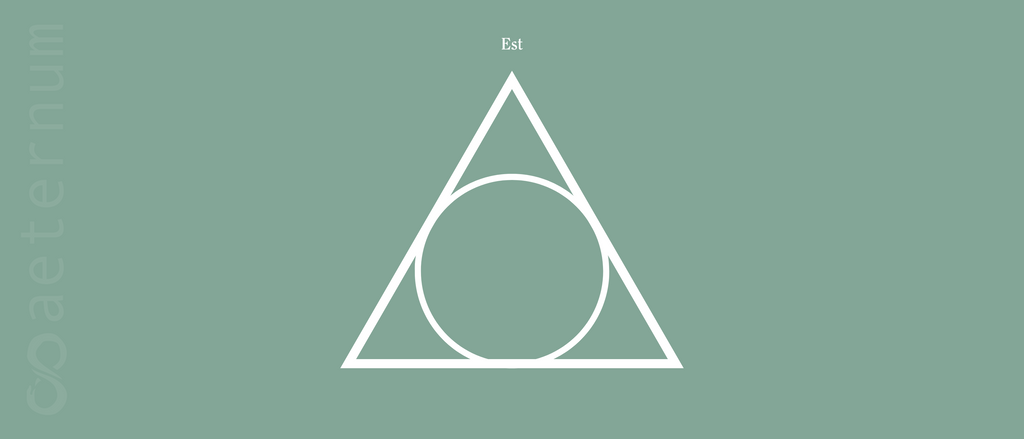
During a magical evocation, the Magic Triangle (and the Magic Circle inside it) must be large enough to provide sufficient space because the called entity must never be larger than the Magic Triangle itself. You must ensure that this entity called inside the Triangle is under its total control. The summoning of an entity in a Magic Triangle must, just like its dismissal, come solely from the practitioner's intention.
One last point, and not least, evoking an entity inside a circle is entirely possible. But you will then be in a paper cage: I therefore advise you, if you dare to do it without a Magic Triangle, to call only an entity in which you have complete and total trust. But again, I strongly recommend drawing a Magic Triangle, whatever the evocation, trusted or not.
5. Tools Needed for the Magic Triangle
For creating the Magic Triangle, the same tools used for the Magic Circle suffice, as the two shapes are ultimately complementary during magical work. When the ritual takes place outdoors, the drawing of the Triangle can be done with a tool dedicated to this purpose, such as a sword, dagger, or wand, symbolizing precision and will. If, on the other hand, the Magic Circle has been previously established on a canvas or cloth, you can optionally symbolically trace the Magic Triangle with one of the three tools or with an athame, following its contours. But it is always better to physically draw a Magic Triangle with chalk or salt (as with a Magic Circle, by the way).
Keep in mind that it is imperative to reactivate the energy of the Magic Triangle before each ritual, and even before drawing the Magic Circle.
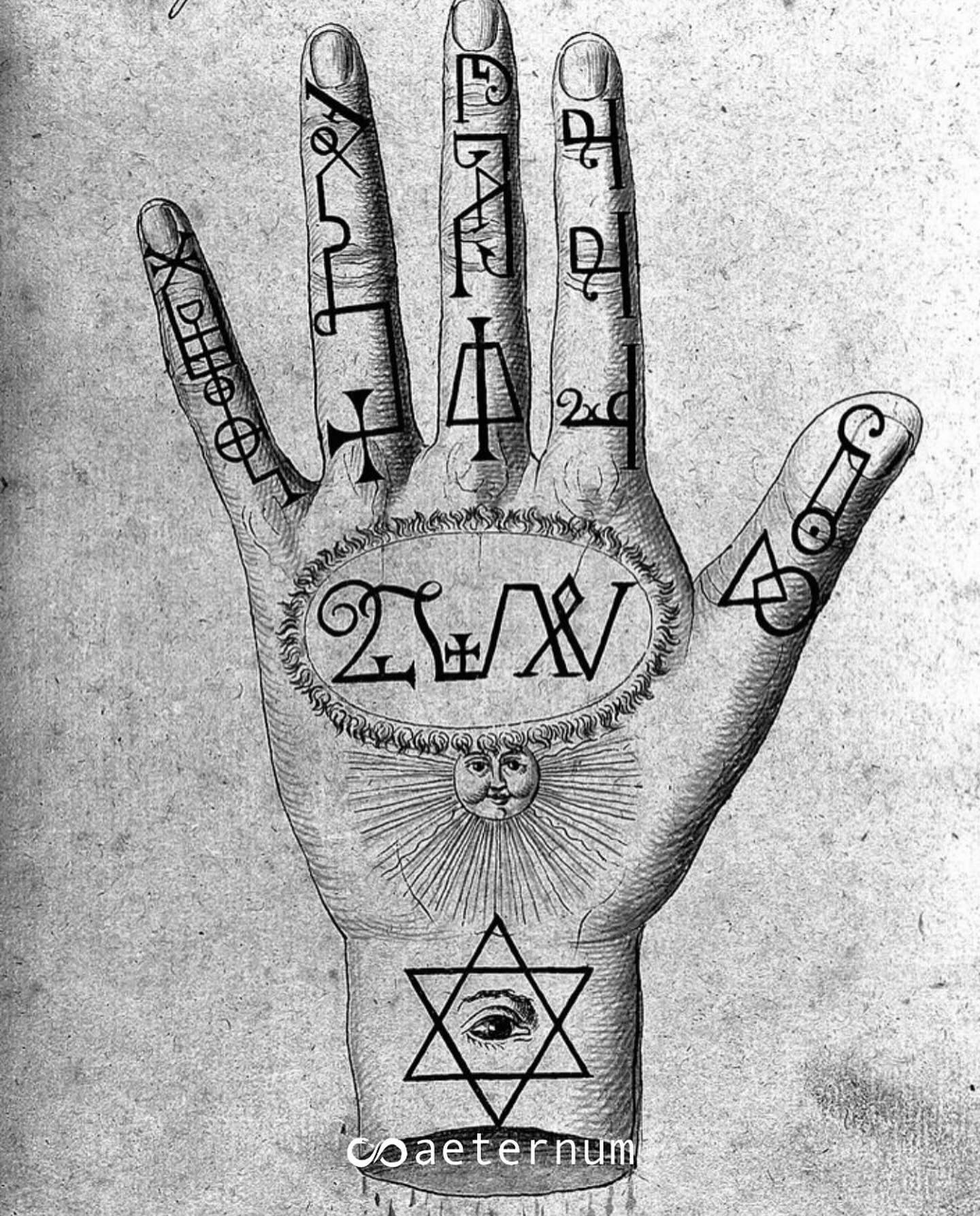
At the center of the Magic Triangle, placing the seal, talisman, or sigil of the summoned entity serves as a symbolic focus for the ritual.
6. In Conclusion
You are now aware of the importance, and above all, the understanding of the triangle as a magical form. If you practice evocation magic, this shape will be your ultimate ally to contain the called entity and request its help. Remember, be cautious when calling entities or forces to avoid losing control and suffering the consequences.
[bloctwist]