



In a world where everything seems to oppose action to contemplation, one question deserves to be asked: what if the most sincere spiritual path actually passes through the simplicity of the concrete? The idea may seem strange at first. Yet, far from grand abstract concepts and complicated theories, a new and accessible way of approaching spirituality truly exists. It draws its strength from the most ordinary gestures, the clearest intentions, and even the most rational decisions. Analysis and opinion piece.
1. Spirituality and pragmatism: unexpected allies?
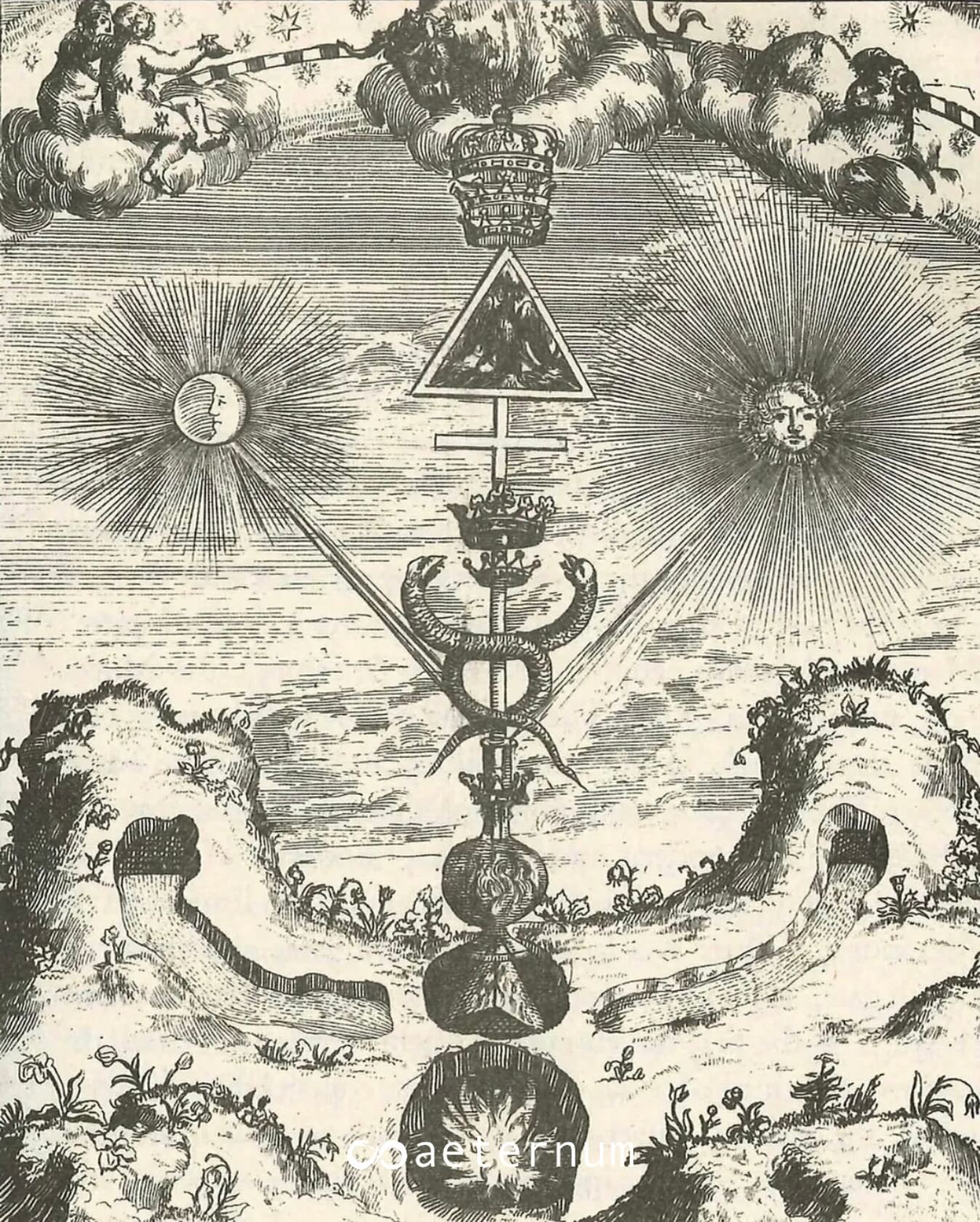
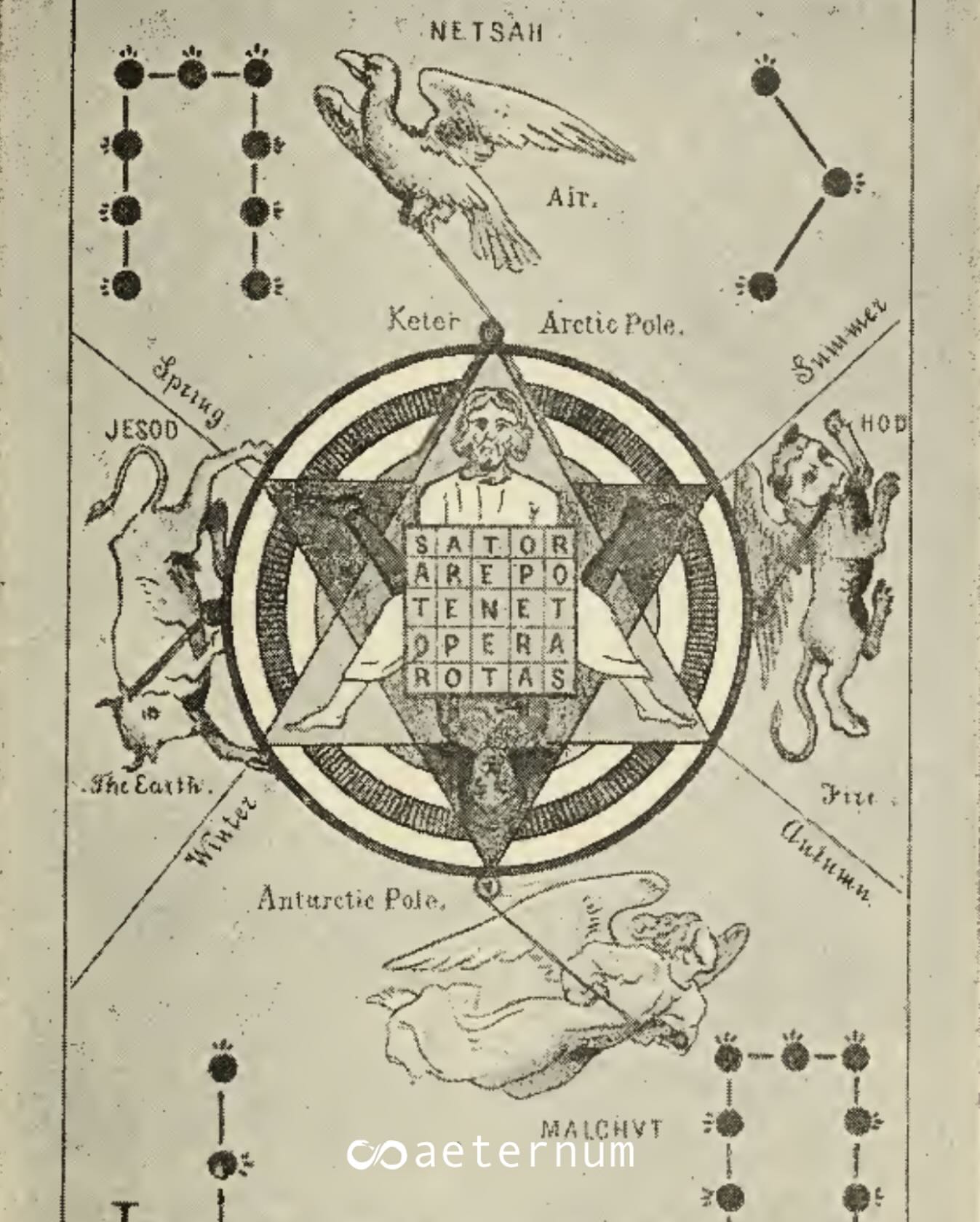
Spirituality and pragmatism evoke two distant worlds that rarely appear side by side. Spirituality suggests an inner quest, focused on the invisible, while pragmatism favors direct action and visible results. Yet, on closer inspection, these two approaches easily engage in dialogue. Already in the 16th century, Paracelsus, alchemist and physician, closely combined spirituality and pragmatism by experimenting in his laboratory, associating symbolic rituals with precise medical practices. This way of operating is also found in the Hermetic Order of the Golden Dawn at the end of the 19th century, where members perform regular rituals to directly observe their effects on their lives.

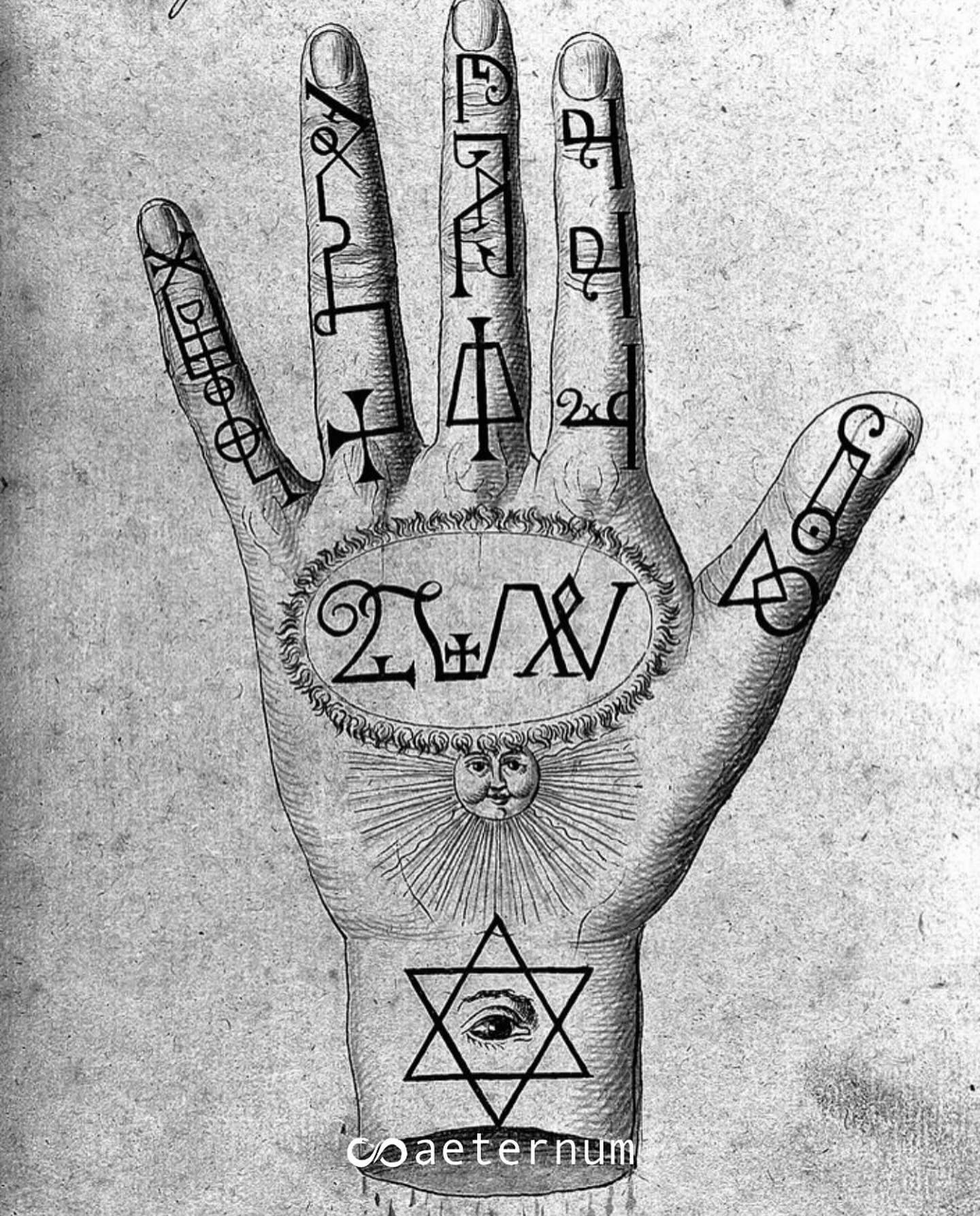
Medieval Kabbalah also represents this concrete approach: it uses talismans and formulas to directly influence reality. The occultist Aleister Crowley, with his motto “the method of science, the aim of religion,” confirms this possible alliance between pragmatism and spirituality by demanding experimental rigor in his magical practices.
These historical examples show that pragmatic spirituality consists precisely in acting with a clear intention to obtain specific results in daily life. It offers a concrete approach, without grand abstract speeches or obscure theories, but with a simple and firm will to bring real change to everyday life. This spirituality rooted in tangible reality directly meets the essential needs of each person. Far from being contradictory, spirituality and pragmatism thus become true allies, forming together a balanced path toward fulfillment.
2. When spirituality becomes concrete
Spirituality becomes concrete when it relies on direct and accessible practices. This is notably the case with the “Fourth Way” proposed by G.I. Gurdjieff at the beginning of the 20th century. This thinker suggests integrating the spiritual dimension into daily acts by performing simple exercises, such as permanent awareness of one’s actions and thoughts. This approach allows a real personal transformation perceptible in relationships and emotional mastery, while avoiding unnecessary complications. Gurdjieff considers that spiritual work must be done in daily gestures and not in isolated retreats cut off from the world.
The contemporary movement of “Chaos Magick,” which appeared in the 1970s, also embodies this practical spirituality. It emphasizes the direct effectiveness of techniques rather than their theoretical justification. Here, the rituals or symbols used matter only for their immediate ability to generate concrete results. This experimental approach highlights a tangible, adaptable, and accessible spirituality for everyone, allowing personal and immediate verification of its effectiveness. Peter Carroll and Ray Sherwin, initiators of this current, encourage freely experimenting with different spiritual systems according to their real effects in daily life.
Similarly, ancient philosophical traditions like the Stoicism of Marcus Aurelius and Epictetus value precise daily exercises. These exercises aim to concretely improve character and life through meditation, daily examination of actions taken, or rational anticipation of possible difficulties. These ancient philosophical practices clearly demonstrate how a spiritual discipline can remain firmly anchored in concrete daily life.
3. The sacred in simplicity
The sacred does not necessarily reside in complexity or the extraordinary. One can cite the 19th-century American transcendentalist movement (Emerson, Thoreau), which advocated a direct experience of the divine in nature and practical life, or authors like the British Evelyn Underhill who published in 1915 Practical Mysticism, a guide to integrating contemplation into active life. Likewise, occultist-theorists like Dion Fortune (1890–1946) emphasized the “applied” aspect of magic by folding it back toward psychology (for her, rites act on the unconscious in a measurable way). Finally, in contemporary social science research, there is interest in the concrete effects of the spiritual on the human being—whether in psychology (studies on the measurable benefits of meditation, prayer, etc.) or anthropology (analysis of “technologies of the sacred” in different cultures). All these perspectives extend in their own way the idea that spirituality makes sense in lived experience and that it can (and should) be approached pragmatically, through experimentation, observation, and evaluation of the changes it produces.
This vision also resonates in the writings of William James, an American pragmatist philosopher of the early 20th century, who proposes that the value of a spiritual experience is measured directly by the positive effects it produces in daily life. James invites us to consider spirituality as a direct source of personal improvement rather than as an abstract theory. Thus, simple gestures like lighting a candle with a clear intention or meditating a few minutes each morning take on an authentic and effective spiritual dimension.
4. A spirituality of everyday life: the magic of the concrete
Living a pragmatic spirituality is above all recognizing and valuing the magic of daily gestures. This means understanding that the spiritual dimension clearly reveals itself through concrete and ordinary acts performed with full awareness. Lighting a candle with a precise intention, consciously carrying an object charged with a personal intention, practicing a few moments of meditation each morning are simple and immediately accessible examples.


This approach recalls the methods used by late 19th-century occultism, notably by Papus, who encouraged integrating concrete occult practices into daily life, favoring direct experience over abstract theory. These simple and measurable gestures, clearly defined, allow a pragmatic spiritual approach, verifiable by each person, bringing a perceptible and lasting balance.
5. Does pragmatism allow verifying the truth of magic?
Pragmatism offers an interesting approach to apprehend magic: that of evaluating its truth by its concrete results. Rather than relying solely on writings or abstract testimonies, the pragmatic approach insists on personal experimentation as an essential criterion. Aleister Crowley, for example, recommended his followers to precisely note each ritual performed and objectively evaluate the changes that occurred in their lives following these practices. This approach allows overcoming doubt or skepticism by directly verifying the effectiveness of the magical methods used.
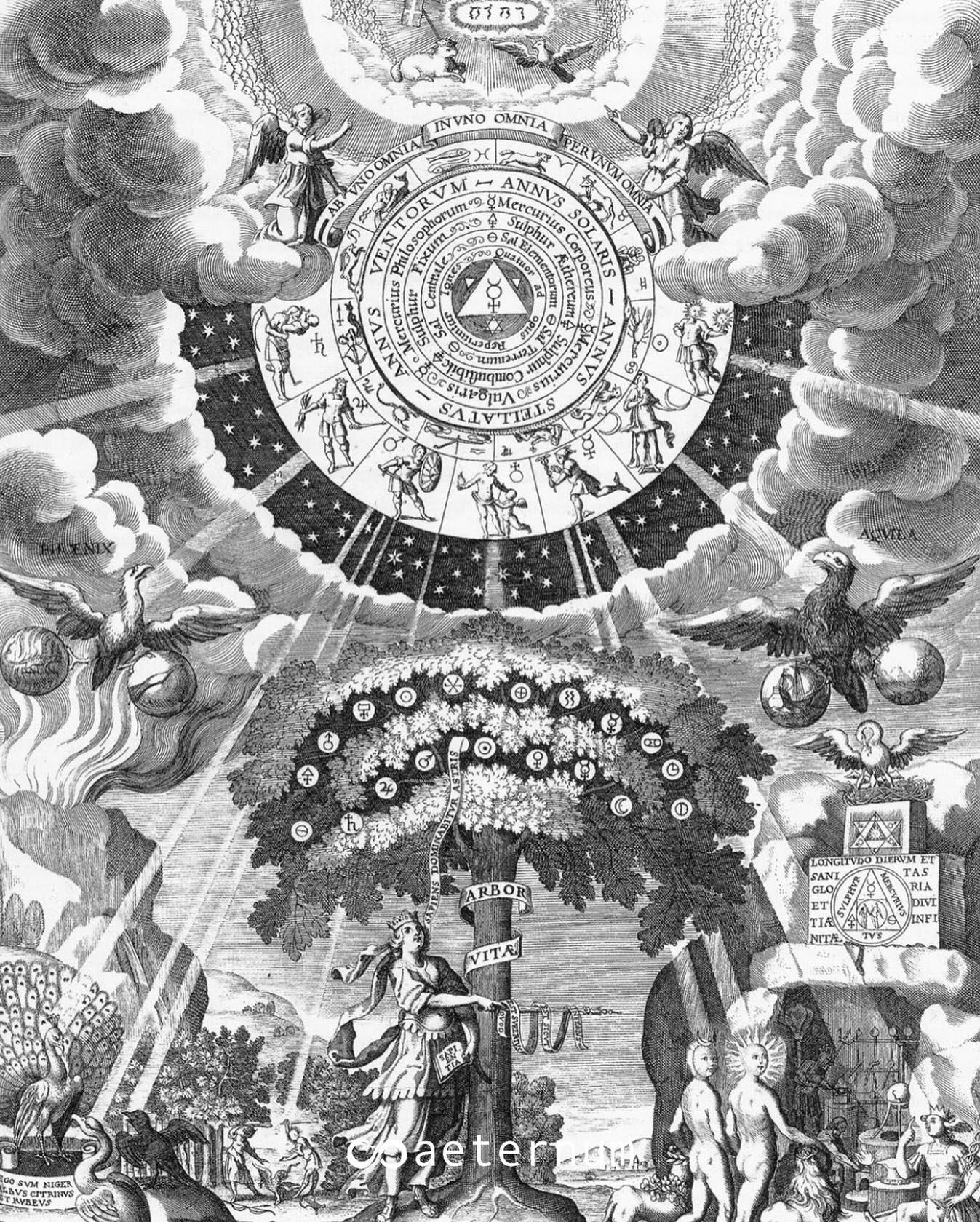
This practical vision is not limited to modern occultism. Already in traditional alchemy or ceremonial magic of initiatory societies, direct verification of effects constitutes a central step in the initiatory path. Thus, pragmatism provides an answer to the question of the validity or truth of magic: if the practice concretely produces the sought effects, then its truth is revealed by direct experience rather than by mere theoretical adherence.
Pragmatic spirituality represents a path accessible to all, beyond the classic boundaries between theory and practice. Far from abstract dogmas, it allows living one’s spirituality fully every day through concrete and simple gestures. Each person thus becomes capable of directly experimenting with what suits them, without getting lost in complex explanations or rituals too difficult to apply. This approach invites everyone to experiment for themselves and to trust their own results rather than external teachings. Ultimately, living a pragmatic spirituality means choosing a balanced path, both simple, effective, and deeply human, where the sacred is embodied in every moment lived with intention and clarity.