
































































































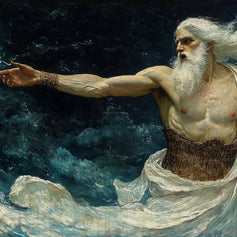
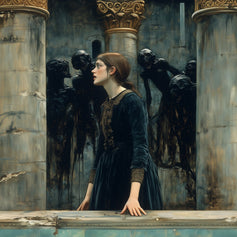
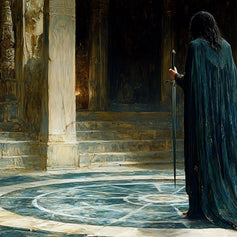



As you may know, behind Aeternum is a small business based in Brittany (specifically in the south of Finistère). It is well known that this region lives to the rhythm of legends, myths, and magical practices, some more or less known. Thus, to highlight our beautiful region, we will regularly publish little-known legends from Breton history. This week, let’s take a seat at the Round Table.
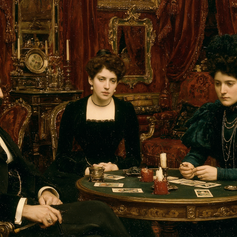
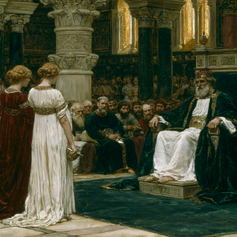
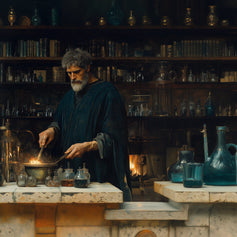
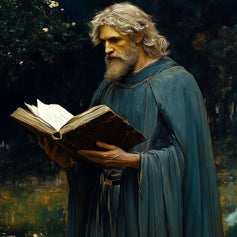
When King Arthur was crowned, the lords of Brittany were divided. Each wanted their due, their share of the kingdom, their precedence. To end the disputes over precedence, Arthur received a precious gift from his enchanter, Merlin: a round table.
This table had no head. No guest sat higher than another. All who took their place were equal: neither first nor last. Merlin said this table came from an ancient tradition, passed down by Joseph of Arimathea when he brought the Grail to Breton land. It was given to Uther Pendragon, Arthur’s father, then entrusted to a loyal lord, King Leodegan of Carmelide. When Arthur married Guinevere, Leodegan’s daughter, the round table became a wedding gift.

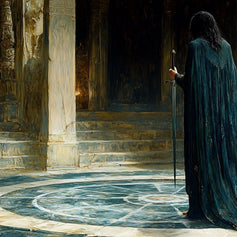
Arthur gathered around this table the most valiant knights of the kingdom: Gawain, Lancelot, Perceval, Yvain, Bohort, Galahad, and many others. Each had sworn an oath of loyalty, courage, justice, and protection of the weak. But more than a war circle, the Round Table became a circle of quest.
For soon, a vision appeared: that of the Holy Grail, shining in a celestial light, covered by a veil. The knights understood that their mission went beyond mere battles. They had to seek this sacred vessel, symbol of the divine, bearer of healing and truth.
But not all returned. Some died, others were lost in the woods of wandering or the traps of sin. Only the purest could glimpse the Grail: Perceval, Bohort, and especially Galahad, son of Lancelot, a knight without stain or flaw.
Over time, the Round Table lost its knights. Betrayals, forbidden loves, and the fall of Camelot ended the ideal it represented. But the legend remains: a circle where everyone is equal to the other, devoted not to personal glory, but to a quest greater than themselves.