































































































































































































|
1. The brief history of salt in magic |
Salt is an essential magical ingredient, having the power to absorb and protect, to ward off the evil eye and attract luck, hence its "popularity". Over the ages, salt has continued to hold a special place in magical practices, both in traditional societies and in modern esoteric circles.
1. The brief history of salt in magic
The role of salt in magical practices dates back to ancient times, spanning ancient civilizations around the world. The ritual use of salt was closely linked to the perception of its purity, rarity, and unique properties.
1.1. Prehistory and Antiquity
The earliest traces of ritual use of salt date back to prehistory. Archaeological artifacts found at Neolithic sites suggest that salt was already used for sacred and magical purposes. The ancient Egyptians also placed great importance on salt, considering it a symbol of purity and eternal life. They used it in mummification rituals to preserve the bodies of their deceased.
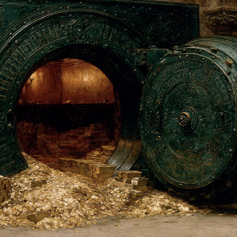
In ancient Greece, salt was associated with the nereid (a sea nymph) Thetis, and was often used in purification and protection rites. The Romans, for their part, incorporated salt into various religious and ritual practices for its power to repel evil forces and bring prosperity. It was so sought after that it was worth more than gold, as it was considered a rare spice!

A little anecdote by the way: Roman soldiers were paid... in salt. And the word salary comes from the term salt. This notion has, of course, become quite distant from its origin today.
1.2. Middle Ages and Renaissance
In the Middle Ages, salt was considered a precious substance, often used as an offering to the gods or as a means to ward off evil. Medieval witches were known for their knowledge of the magical properties of salt, using it in potions and spells to heal illnesses, repel evil spirits, and protect against harmful influences.
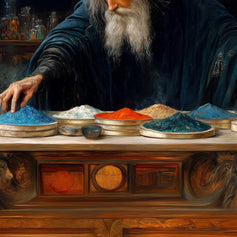
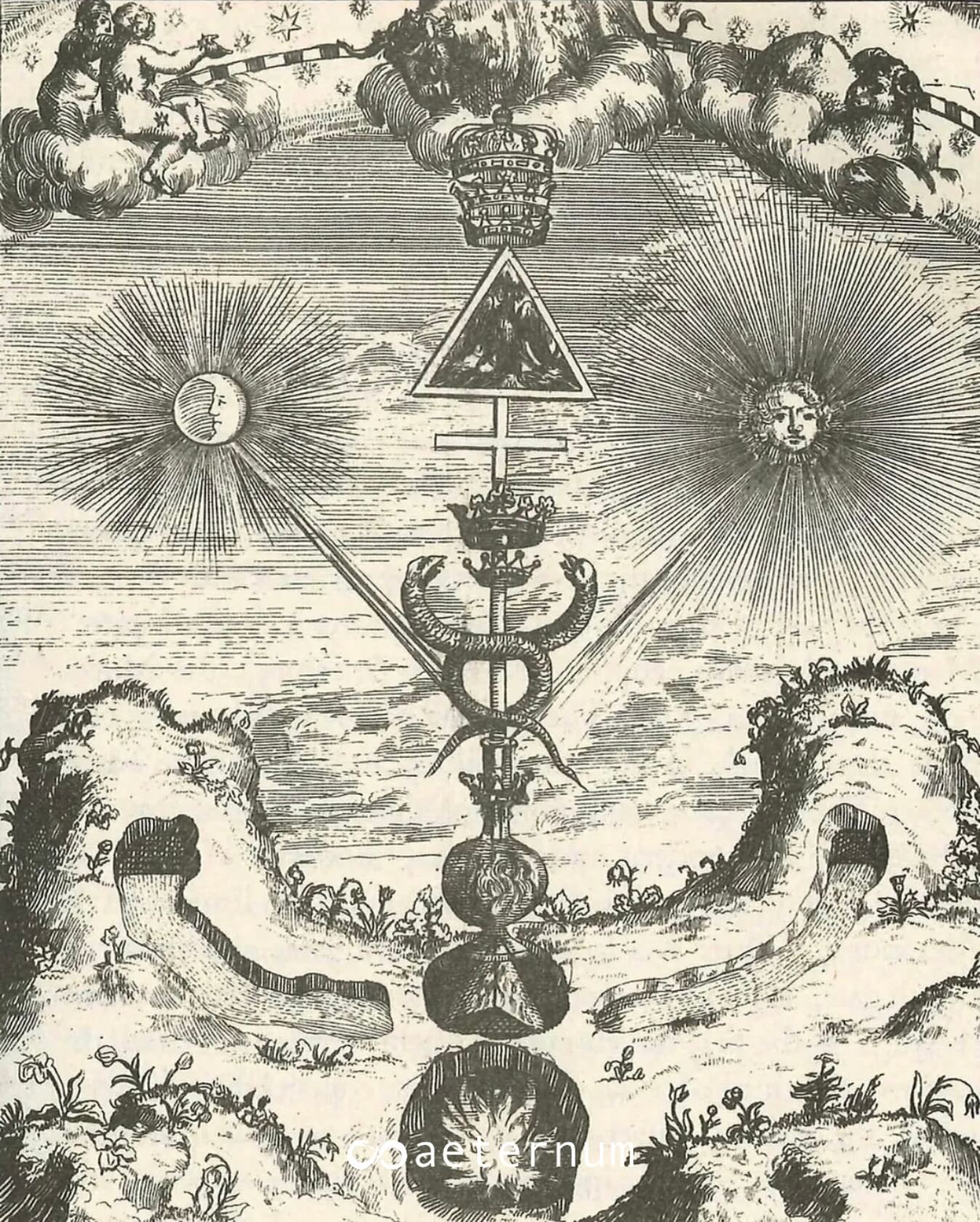
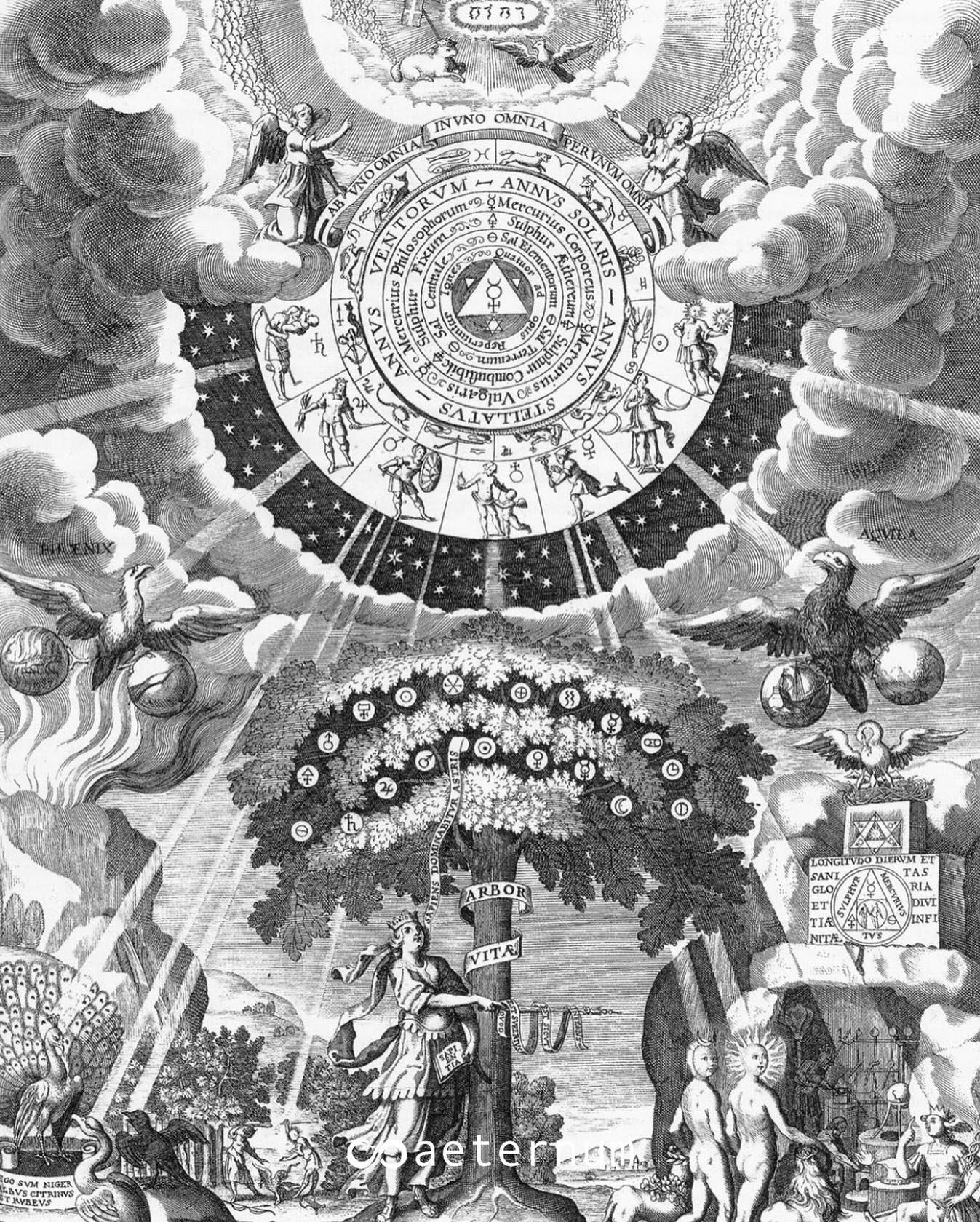
In alchemy, then at its peak in Europe, all things, including the four elements, are composed of a divine trinity made up of salt, mercury, and sulfur. Salt represents the aspects of the body, feminine and earthly, and was a crucial ingredient in alchemical recipes to make gold.
A 17th-century formula for an antidote against poison, heart diseases, and the Devil included gold, salt, red wine vinegar, ashes from a block of tin burned in an iron pan, wine, and honey.
2. The symbolisms of salt
2.1. Abundance and health
Salt, in its essential function as a preservative, becomes a powerful symbol of abundance and health. By preserving food in optimal condition, it ensures a constant supply and guarantees the longevity of resources. Thus, in many cultures, the association between salt and abundance is deeply natural and obvious. Likewise, salt’s ability to keep food healthy and intact also embodies the promise of robust and lasting health, making it an invaluable ally in the quest for physical and material well-being.
2.2. Friendship
Beyond its symbolic value as a preservative, salt also holds a power of unification and social connection. Sharing salt between individuals is a ritual symbolizing the establishment of deep and lasting bonds between people. In ancient times, when salt was of great monetary value, sharing this precious ingredient carried a particularly strong meaning, strengthening ties of friendship and camaraderie beyond social and economic boundaries.
2.3. Defense
Salt, in addition to its connotations of abundance and health, also has a protective and defensive aspect. Folk traditions are full of practices related to the use of salt to counter evil forces and repel harm. Spilling salt, often considered unlucky, is countered by throwing it over the left shoulder, where evil spirits are supposed to lurk. Salt thus creates a protective barrier against harmful influences, making the person invulnerable to attacks from evil and the Devil.
Indeed, as a preservative, salt is contrary to the nature of demons, who seek to corrupt and destroy.
2.4. Incorruptibility and wisdom
In the context of Christianity, salt represents incorruptibility, eternity, and divine wisdom. Used ritually in sacraments such as baptism, salt is considered a purifying and protective agent, evoking the divine presence and the promise of salvation. Churches themselves are consecrated with salt and holy water, testifying to the sacredness and divine protection associated with this element.
2.5. The Earth element
Salt is used in spells and magical rituals as a representation of the Earth element. It also purifies and defines magical boundaries by being sprinkled around a magic circle as extra protection and/or to materialize the circle's limits.
3. The magical properties of salt
3.1. Salt for purification
One of the most recognized properties of salt is its ability to purify negative energies. Salt is used to cleanse and purify spaces, objects, and even people. Simple practices such as scattering salt around the house or taking a salt bath eliminate harmful influences and restore energetic harmony, whether on a physical or subtle level by lightening karmic burden. In purification rituals, it is advised to place bowls of salt in the corners of the home last to absorb any residual energy that may have settled there.
3.2. Salt for protection
Salt is also considered a powerful talisman for protection against malevolent influences. For centuries, it has been used to create protective circles during magical rituals, preventing evil spirits and hostile forces from entering. Salt amulets, worn as protective charms, are believed to repel evil and preserve the safety of the wearer.
3.3. Salt for healing
In many medicinal traditions, salt is associated with healing properties. Salt baths are often recommended to relieve physical and emotional ailments, promote relaxation, and stimulate the healing process. Additionally, salt is sometimes used in spiritual healing rituals to remove energy blockages and restore inner balance.
3.4. Salt to amplify

Because of its purifying and protective nature, salt is often used to amplify the power of spells and magical rituals. By incorporating salt into rituals, it is believed to enhance their effectiveness by concentrating and channeling magical energy. Some practitioners even use salt circles as bases for their ritual work, considering them anchor points to channel cosmic energies.
4. Uses of salt
4.1. Salt and the Inquisition
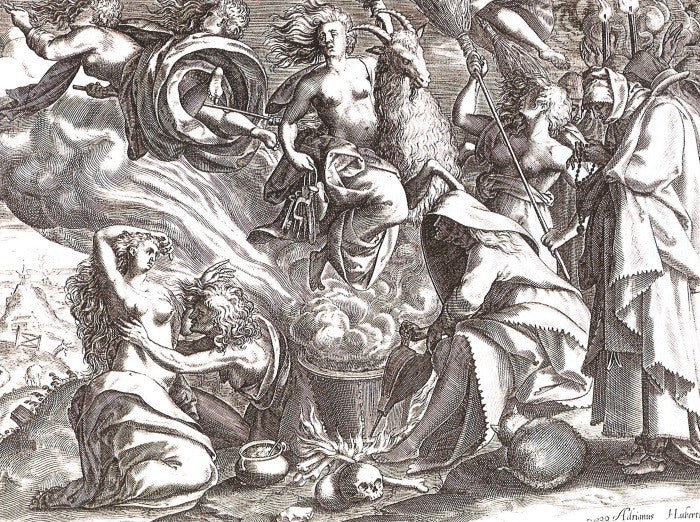
In the Middle Ages, popular belief held that witches and the animals they bewitched were unable to eat salted food. Inquisitors questioning accused witches were advised by demonologists to protect themselves first by wearing a sacramental amulet made of salt consecrated on Palm Sunday and blessed herbs, pressed into a disk of blessed wax. One way to torture accused witches was to feed them very salty food and deny them water.
4.2. Salt for life and death
Salt is sometimes still thrown at weddings today to preserve marital happiness and also to ward off evil spirits that might want to sow chaos among the newlyweds. Salt was placed in coffins as a preservative for the soul after death and to protect it from attacks by evil spirits. Salt was used in pagan sacrifices. It was placed in babies' cradles to protect them from evil spirits.
4.3. Salt and the evil eye
An old recipe to break a curse involves stealing a tile from a witch's roof, sprinkling it with salt and urine, then heating it over a fire while reciting a spell. Such antidotes were still used in modern times in rural parts of Europe to remove curses from stables and houses and to cure illnesses.
In the American Ozarks legend (a region deeply steeped in magic and witchcraft), women who complain about overly salty food are suspected of being witches. One way to detect a witch is to sprinkle salt on her chair: if she is a witch, the salt will melt and she will stick to her chair.
A small ritual to detect harmful energy at home consists of putting 1kg of sea salt in a container, then adding water until the level reaches the edge of the salt, but not beyond, then watch carefully. If you notice the salt starting to climb up the sides of the container or even overflow, this may indicate that a harmful influence weighs on the place or its inhabitants. In this case, a purification ritual is necessary.
5. The different types of salts
In reality, there is not just one but several salts, each with its own specificities depending on the expected results.
| Sea salt | Sea salt is often considered the purest and most sacred of salts. It is associated with the element of water and is reputed for its ability to purify and revitalize energies. |
| Coarse salt | Coarse salt is a more powerful variant of sea salt. Due to its composition, it has the power to absorb more energy. |
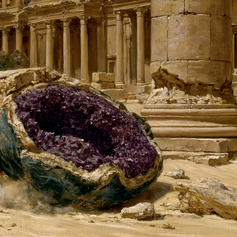
| Rock salt | Also known as rock salt, rock salt is extracted from underground mines and is known for its purity. It is often used in protection and purification rituals because of its strength and stability. |
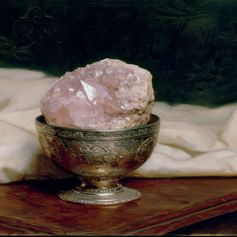
| Himalayan pink salt | This pink salt is extracted from Himalayan salt mines and is rich in minerals and trace elements. It is often used in magic for its healing and purification properties, as well as to attract love and harmony. |
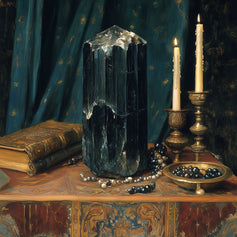
| Black salt | Black salt is often associated with protection against negative energies and malevolent influences. It is used to send back evil and repel dark forces. |
| Moon salt | Moon salt is traditionally prepared by leaving sea salt exposed under the light of the full moon. It is reputed to amplify the magical powers of salt and is often used in purification and renewal rituals. |
| Table salt | Although more commonly associated with culinary uses, table salt can also be used in magic, especially when consecrated or charged with specific intentions for rituals or spells of purification, protection, or healing. |
These are the "basic" salts; several enriched recipes with stones or herbs in witch bottles have since emerged to combine the benefits of salt with other magical components.
And so concludes our file on salt in magic. Make sure to always have some within reach tomorrow, it could be very useful at one time or another!











Merci beaucoup pour votre avis !
très intéressant, merci !