






















































































































We have all heard of this "organization," but do we really know it, or can we at least define it correctly? Talking about Freemasonry means entering a world where symbols, rites, and traditions blend with a quest for knowledge. Behind its lodges and recognizable symbols, it rests on precise principles and a structured organization. Its history spans several eras, where builders and thinkers shaped a system of knowledge transmission and reflection on existence. Introduction.
1. From operative to speculative masonry
The earliest traces of Freemasonry date back to the medieval guilds of stonemasons, active in Europe from the 12th century. These associations grouped artisans specialized in building cathedrals and religious buildings. They operated under a hierarchical system structured into three degrees: apprentice, journeyman, and master. Members met in lodges where they passed on their skills and applied strict rules ensuring work quality and the protection of trade secrets.

The cathedral builders. Source: Decoding Churches and Castles
From the 16th century onwards, some lodges began to accept members outside the building trade. These new initiates, called "accepted masons," came from the nobility or bourgeoisie and were interested in the philosophical and symbolic aspects of lodge functioning. This transformation gave rise to speculative Freemasonry, distinct from operative masonry, focusing on the study of symbols and moral values rather than physical construction.
In 1717, four London lodges united to form the first Grand Lodge of England. This organization laid the foundations of modern Freemasonry by defining rules and an institutional framework to standardize practices. This structured model facilitated the rapid expansion of Freemasonry in Europe and the British colonies.
In France, the first documented lodge was established in Paris in 1725 by the British. Quickly, French Freemasonry developed and attracted intellectuals and influential figures of the Enlightenment. Voltaire, Montesquieu, and Benjamin Franklin were among the personalities connected to Freemasonry. During this period, French lodges became places of reflection and discussion where new ideas about liberty, equality, and fraternity spread.
In the 19th century, Freemasonry experienced splits between different currents. The Ancient and Accepted Scottish Rite, founded in 1801, was structured into 33 degrees and strongly influenced lodges in France and the United States.
Throughout the 20th century, Freemasonry continued to evolve despite periods of persecution, notably under totalitarian regimes (Nazi Germany and Fascist Italy).
2. At the crossroads of esoteric currents
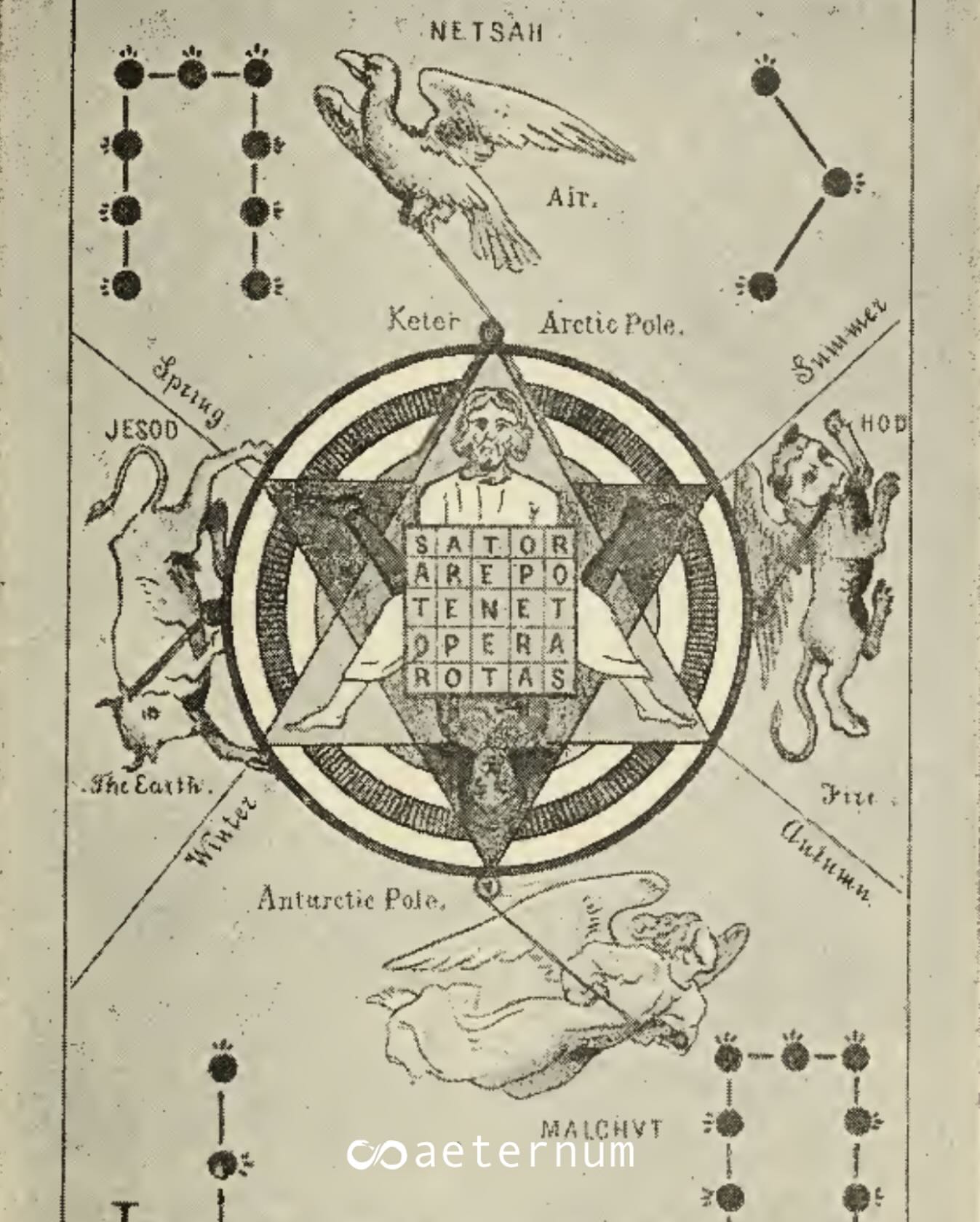
Freemasonry uses symbolic rituals to convey its teachings and values. These rituals, codified within different rites, define the conduct of ceremonies, gestures, words, and symbols used. Notably, the French Rite, codified between 1781 and 1786 by the Grand Orient of France, is one of the oldest and most practiced Masonic rites in France.
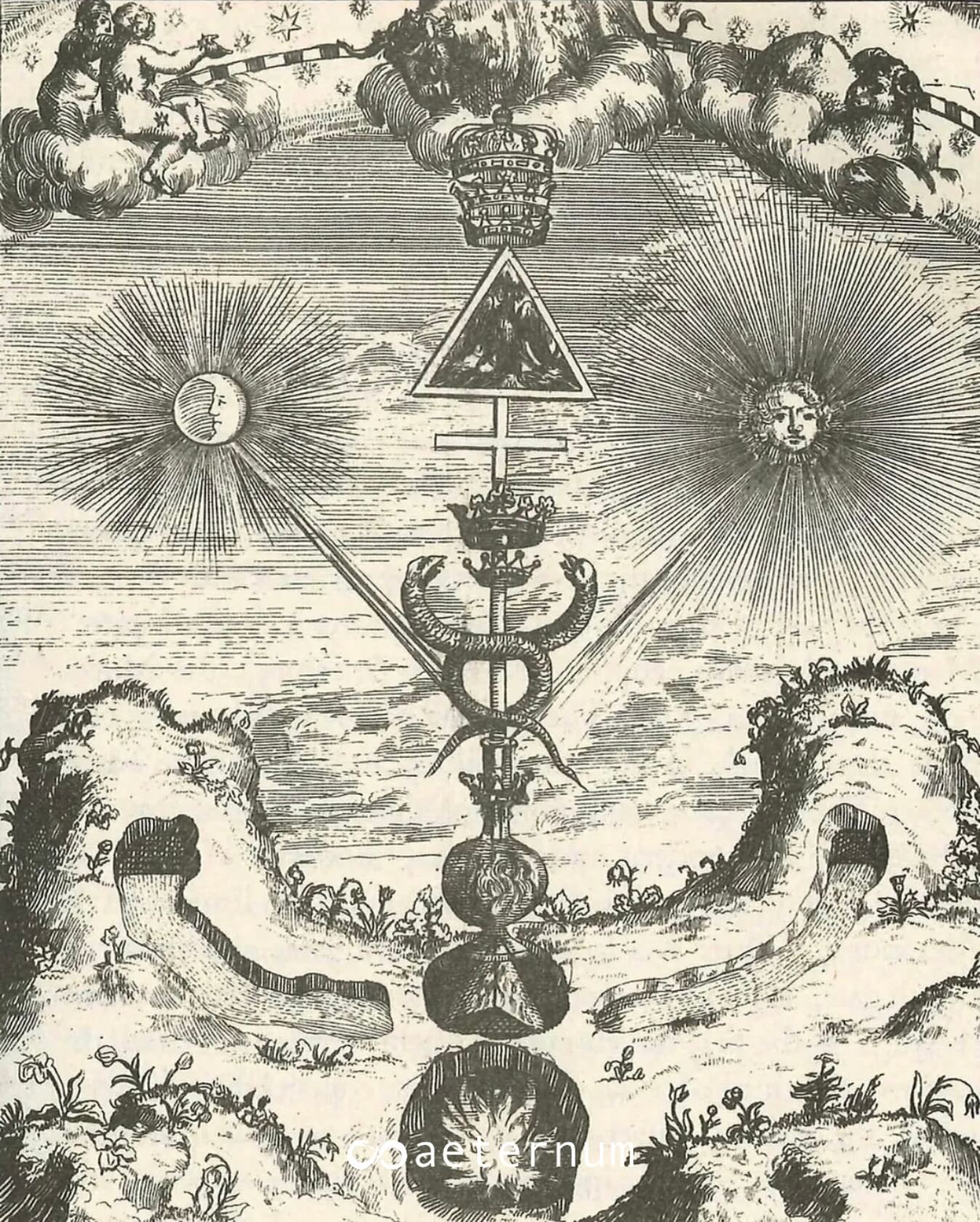
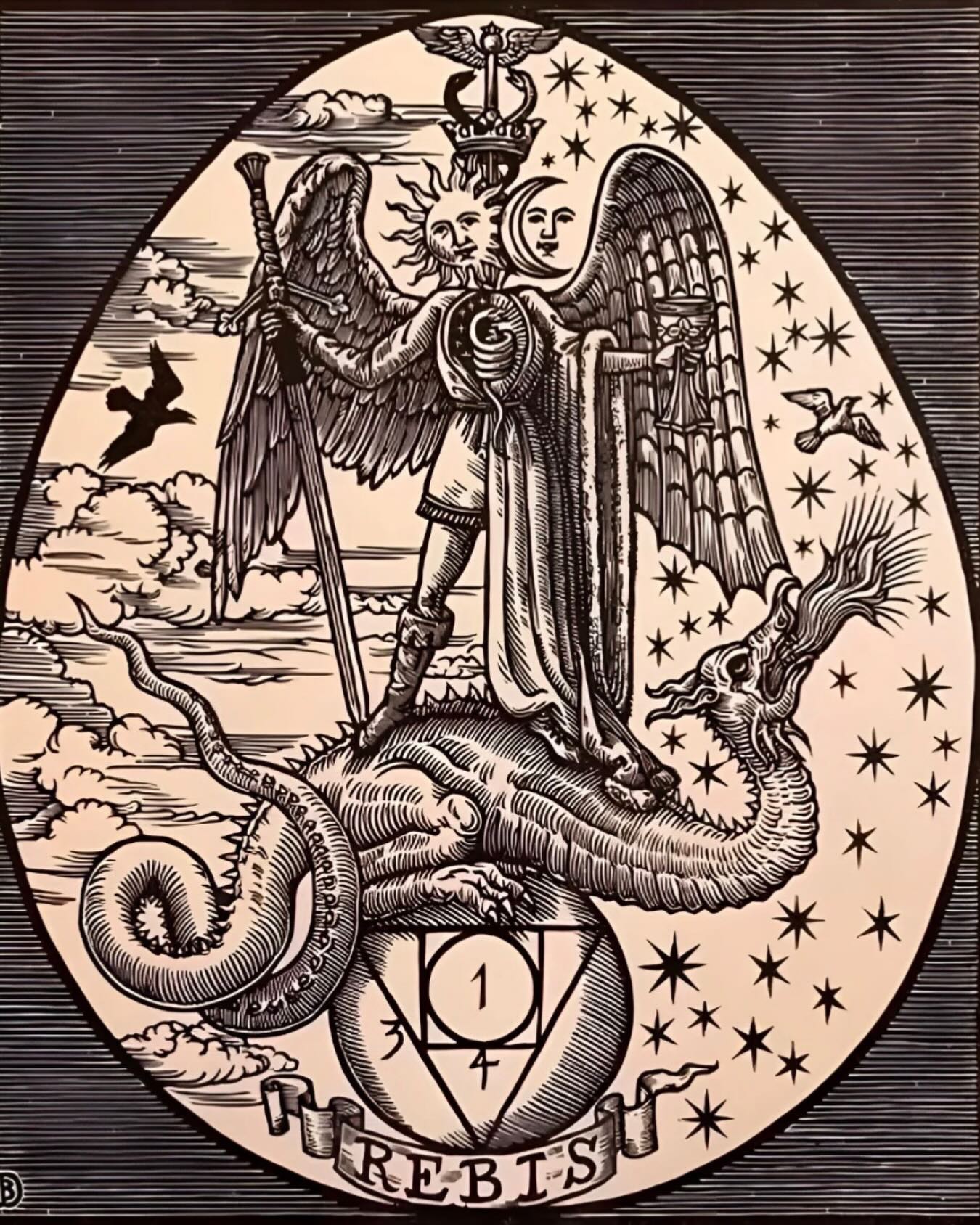
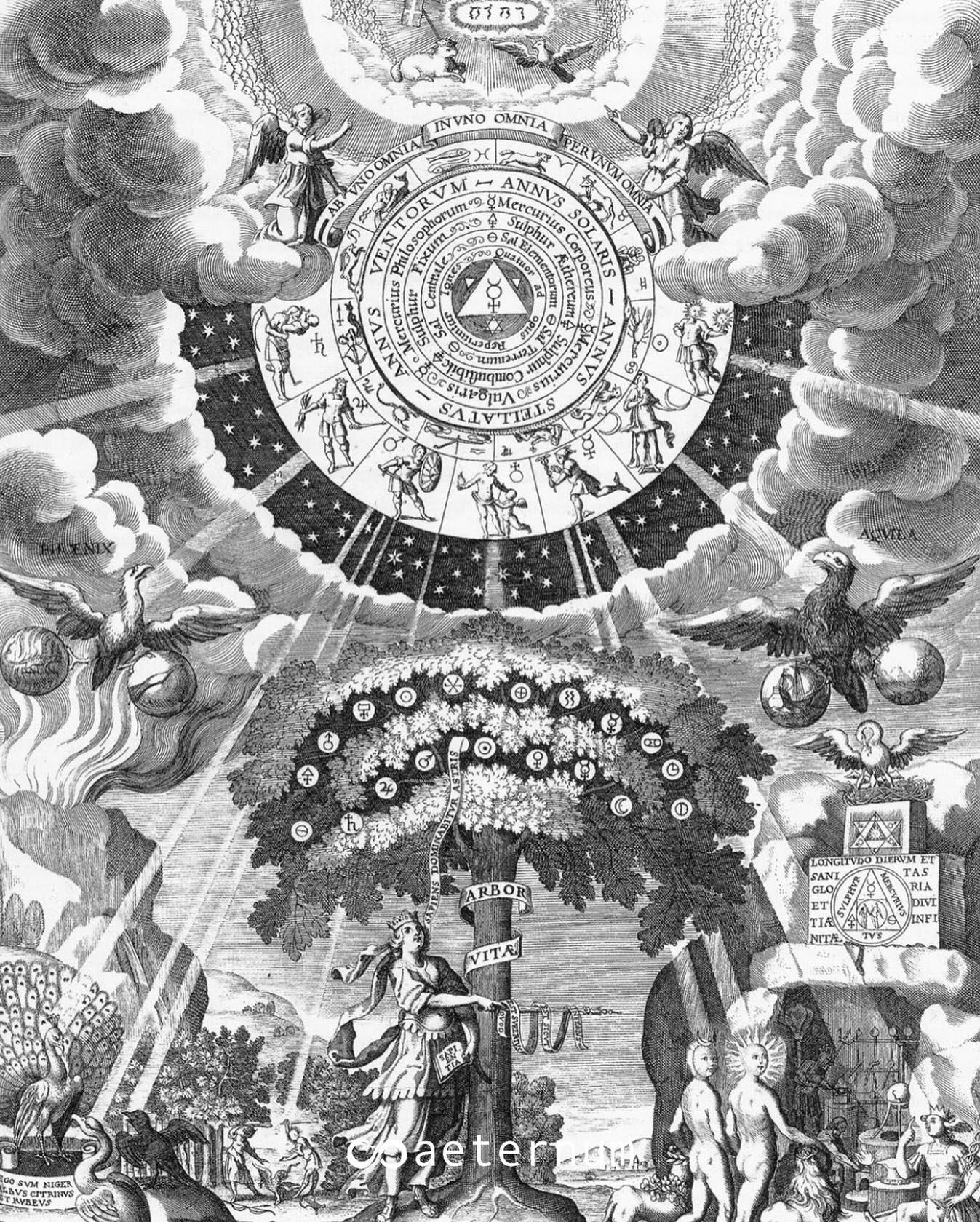
Regarding magic and alchemy, although Freemasonry does not practice magic, it has historically maintained links with esoteric currents, including alchemy. In the 18th century, some lodges incorporated alchemical elements into their teachings, and Freemasons were interested in alchemy as a symbolic discipline. However, these esoteric aspects are not central in the majority of contemporary Masonic obediences.
3. Masonic symbolism
Freemasonry is based on a structured symbolic language that serves to convey values and teachings. These symbols, borrowed from builders' tools, embody fundamental moral and philosophical principles.

The square and compass are among the most emblematic representations. The square embodies uprightness and integrity, reminding of the importance of leading a just and balanced life. The compass, associated with measurement and reflection, illustrates self-control and the need to set limits in actions and judgments. These two tools are shown together, forming a balance between rigor and wisdom.
The rough stone and the polished stone represent the personal journey of the Freemason. The rough stone symbolizes the individual's original state, marked by imperfections and weaknesses. Through continuous improvement work, the initiate shapes their own stone to reach a state of perfection represented by the polished stone. This process illustrates inner development based on discipline and learning.


The Jakin and Boaz columns, present at the entrance of Masonic temples, originate from Solomon's temple. They embody strength and stability, defining a symbolic threshold between ignorance and knowledge. These pillars mark the entrance to a sacred space where initiation takes place and a deeper understanding of Masonic teachings is acquired.
The blazing star, accompanied by the letter G, represents the light of knowledge and understanding. The letter evokes geometry, a fundamental science in the art of construction, but also refers to the Great Architect of the Universe, a term used in Freemasonry to designate a creative force. The star recalls the importance of the quest for knowledge and discernment in the initiatory journey.
The mallet and chisel symbolize the tools of personal improvement. The mallet represents the will to transform and the strength needed to shape one’s character, while the chisel embodies precision and discernment in eliminating faults and weaknesses. These instruments emphasize the importance of self-work to progress and morally elevate oneself.
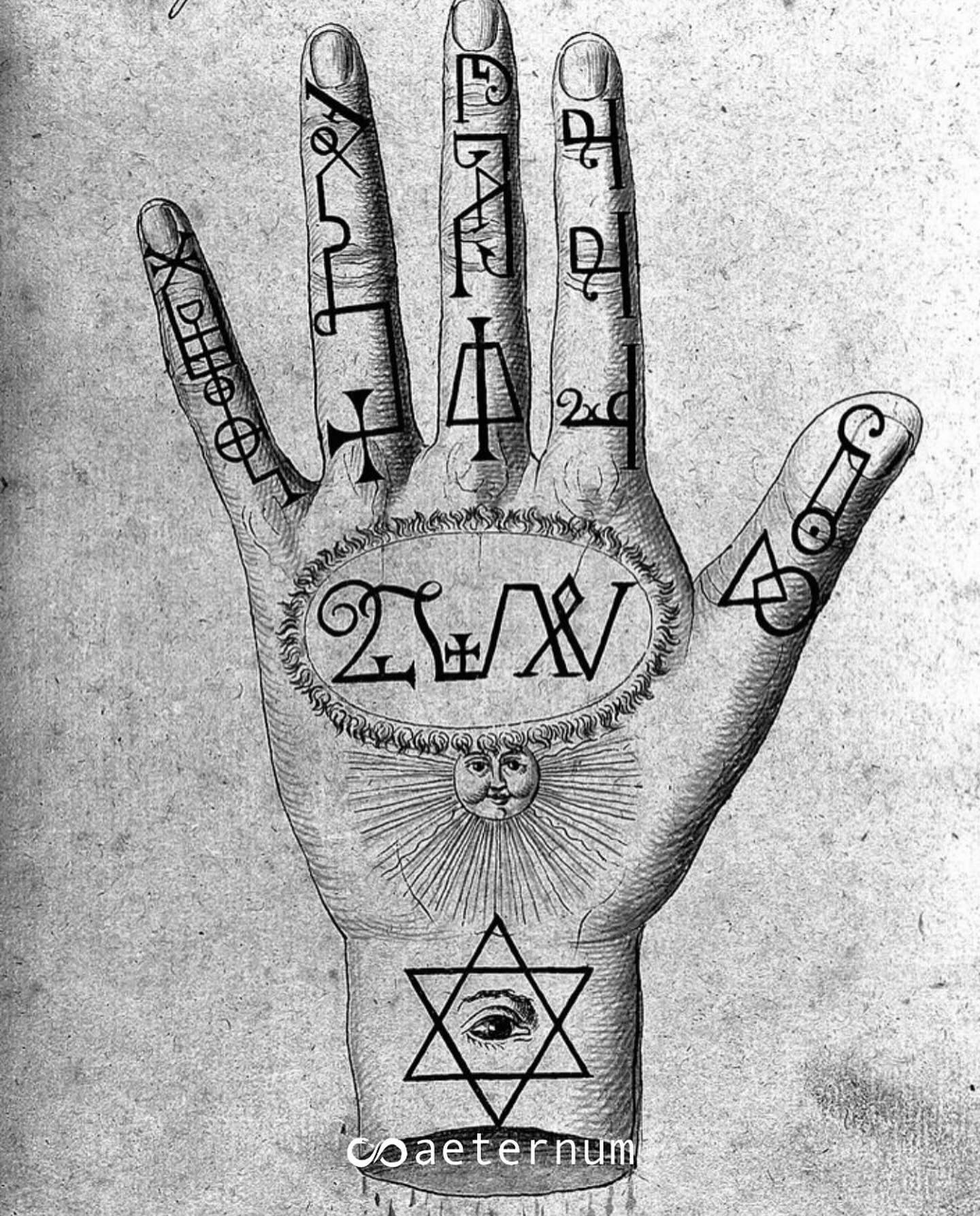
It is also impossible not to mention the All-Seeing Eye (or rather the Eye of Providence), represented by an eye inscribed in a radiant triangle. It is generally interpreted as a representation of the all-seeing eye of the Great Architect of the Universe, watching over humanity. This symbol is present in some Masonic lodges (but not all), where it is also called the "radiant delta."

The American one-dollar bill bears this symbol which has sparked various interpretations regarding its link to Freemasonry. It is actually the Great Seal of the United States, with symbolism more religious than Masonic (the eye is a universal symbol). Although some founding fathers were Freemasons, this seal was created by separate committees with non-Masonic members (like the artist Pierre Du Simitière who directly contributed to the drawing of the eye).
All these symbols form a language that guides Freemasons in their reflection and practice. Each element finds its place within rituals and teachings, like a study framework intended to refine the understanding of the world and oneself.
4. The organization of Freemasonry
Freemasonry is an initiatory organization structured into several levels, each having specific roles and functions. At the base are the lodges, which are local assemblies of Freemasons. These lodges group together within obediences, also called grand lodges or grand orients, which oversee and coordinate the activities of affiliated lodges. Each obedience is independent and may adopt its own rites and regulations, which explains the diversity within global Freemasonry.

Lodges are led by a Worshipful Master, assisted by various officers such as wardens, the secretary, and the treasurer. Members generally progress through three symbolic degrees: apprentice, fellowcraft, and master. Beyond these degrees, some obediences offer additional degrees, called "higher degrees," which deepen Masonic teachings.
Obediences, for their part, are led by elected bodies, such as a Grand Master and a federal council. They define general directions, ensure respect for traditions, and facilitate communication between the different lodges.
5. The Grand Orient de France
The Grand Orient de France (GODF), created in 1773, is the oldest and largest Masonic obedience in France, and the oldest in continental Europe.
Originating from the transformation of the first Grand Lodge of France, it played a central role in the evolution of French Freemasonry.

The GODF stands out for its liberal and adogmatic approach. Unlike some obediences that require their members to believe in a supreme being, the GODF advocates absolute freedom of conscience, allowing each person to define their own spirituality. This position led, in 1877, to the removal of the obligation to believe in God and the immortality of the soul, marking a break with the United Grand Lodge of England and other so-called "regular" obediences.
Historically, the GODF has been involved in major social and political movements in France. In the 19th century, its members actively participated in promoting republican ideals, secularism, and human rights. This involvement sometimes sparked controversies, especially during periods of tension between the Church and the State.
Today, the GODF is still engaged in contemporary social issues. It promotes values such as solidarity, social justice, and the defense of individual freedoms. The obedience has been mixed since 2010, welcoming both men and women within its lodges.
The headquarters of the GODF is located at 16 rue Cadet, in the 9th arrondissement of Paris. This historic building also houses the Museum of Freemasonry, inaugurated in 1889, which presents collections tracing the history and symbols of Freemasonry.
With more than 50,000 members spread across about 1,300 lodges, the GODF remains an influential institution in the French and international Masonic landscape. Its humanist approach and willingness to adapt to contemporary challenges make it a dynamic and committed obedience.
6. Secret society or discreet society?
Freemasonry describes itself as a discreet society rather than a secret one. Meetings and rituals are private, but the existence of lodges, the organization's goals, and the identity of many members are public. This discretion aims to protect freedom of thought and expression within lodges, providing a space for reflection free from external pressures.
Regarding the idea that Freemasons "run the world," this is an unfounded conspiracy theory. Although members have held positions of power, Freemasonry is not a monolithic organization controlling world affairs. It consists of various independent orders, each with its own structures and goals. Political and economic decisions are made by official institutions, not by initiatory societies.
7. The influences of Freemasonry in society
Freemasonry influenced several events and social movements throughout history. In the 18th century, lodges like "Les Neuf Sœurs" in Paris served as meeting places for intellectuals and philosophers, contributing to the spread of Enlightenment ideas. Figures such as Benjamin Franklin and Voltaire were associated with these circles.
In the 19th century, French Freemasonry supported major social reforms. Lodges advocated for secular education, the separation of Church and State, and women's rights. Influential politicians of the Third Republic, such as Jules Ferry and Léon Gambetta, were Freemasons and promoted these ideals.
In 1893, the foundation of the mixed order Le Droit Humain marked an important milestone by allowing the initiation of women into Freemasonry, thus promoting gender equality within the organization.
8. How to join Freemasonry?
Freemasonry mainly recruits by cooptation, meaning that existing members propose new candidates. This practice involves Freemasons identifying individuals they believe align with the organization's values and goals and inviting them to join a lodge. In these cases, there is a "silent" observation period to ensure that the values between the candidate and the lodge are in harmony (which usually takes several months).
However, it is also possible to apply spontaneously, but each order has its own criteria and admission procedures. Generally, the minimum requirements are:
-
The majority of orders require candidates to be adults, meaning at least 18 years old.
-
Impeccable conduct is required, reflecting moral values aligned with those of the order.
-
Candidates must be ready to work on their own self-improvement and actively engage in Masonic life.
The application must be motivated (with a CV, a cover letter). The candidate is then contacted by the nearest lodge to arrange one or more interviews. However, it is up to the candidate beforehand to thoroughly research the chosen obedience (values, functioning, etc.).
9. Famous Freemasons
Freemasonry has counted many influential personalities among its ranks. Among political figures, George Washington, the first president of the United States, and Winston Churchill, British Prime Minister, were members of Freemasonry. In France, statesmen such as Paul Doumer and Gaston Doumergue, both presidents of the Republic, were also affiliated with the order.
In the arts, composer Wolfgang Amadeus Mozart was a notable Freemason. Writer Mark Twain was also part of the fraternity.
Among explorers and pioneers, figures such as Davy Crockett and Edwin "Buzz" Aldrin, astronaut and the second man to walk on the moon, were members of Freemasonry.
Freemasonry is an organization that values the diversity of its members, both professionally and socially. Thus, Freemasons come from various socio-professional backgrounds, including employees, executives, civil servants, teachers, academics, liberal professions, merchants, and artisans.
10. Freemasonry figures
Freemasonry is a worldwide organization present on all continents. Estimates suggest it has between 2 and 6 million members globally. However, the exact number of Masonic lodges is difficult to determine due to the decentralized nature of the organization and the diversity of obediences. Estimates vary, but there are several tens of thousands of lodges worldwide. At the beginning of the 20th century, the number of Masonic lodges was estimated at around 27,000, with a significant concentration in the United States and the United Kingdom.
11. Is Freemasonry a cult?
No. Unlike cults, which exercise strict control over their members and impose dogmas, Freemasonry advocates freedom of conscience and encourages personal reflection. Members are free to leave the organization at any time, without pressure or repercussions. Moreover, Freemasonry does not worship a charismatic leader nor require adherence to a specific belief. It focuses on the moral and ethical development of its members, using symbols and rituals as tools for reflection. Although some of its practices are confidential, this discretion aims to preserve the integrity of initiatory rituals and provide a space for free discussion.
Freemasonry values solidarity and brotherhood among its members. This mutual support manifests in various ways, including moral support, assistance in case of personal or professional difficulties, and participation in charitable works. Some obediences, such as the Grande Loge de France, have established internal structures dedicated to solidarity, such as Entraide Fraternelle or Mathusalem, to support their members and society in general.
12. The Taxil hoax
Freemasonry is quite regularly associated with occultism, strange worships, or even sacrifices. As we have seen, this is not the case, but it all started with a case that caused a big stir at the time.
Léo Taxil, whose real name was Marie Joseph Gabriel Antoine Jogand-Pagès, born on March 21, 1854, in Marseille and died on March 31, 1907, in Sceaux, was a French writer and journalist known for his anticlerical positions.

In the 1880s, after a period of writing satirical works criticizing the Catholic Church, Taxil claimed to convert to Catholicism. He then began publishing works denouncing Freemasonry, accusing it notably of satanic practices and diabolical cults. Among his allegations, he introduced the fictional character Diana Vaughan, presented as a former high priestess of a Luciferian cult within Freemasonry.
On April 19, 1897, during a highly anticipated press conference, Taxil revealed that all his accusations against Freemasonry were fictitious, constituting a vast hoax intended to ridicule both Freemasonry and the Catholic Church. This revelation, known as the "Taxil hoax," had a significant impact at the time and nevertheless linked Freemasonry to the world of the occult.
As you might have guessed, Freemasonry is neither about legends nor fantasies. Above all, it represents a space for reflection, transmission, and commitment beyond the clichés attached to it. Perhaps this is precisely where part of its power lies: in what it reveals... and invites to explore.