



|
IN THE SUMMARY...
1. Esotericism: the initiatory knowledge |
Esotericism and occultism are terms that often come up when discussing spirituality, hidden knowledge, and practices related to the invisible. They are even used as if they meant the same thing, which creates confusion about their true meaning. However, these two concepts cover very distinct realities. Let’s break it down.
1. Esotericism: the initiatory knowledge
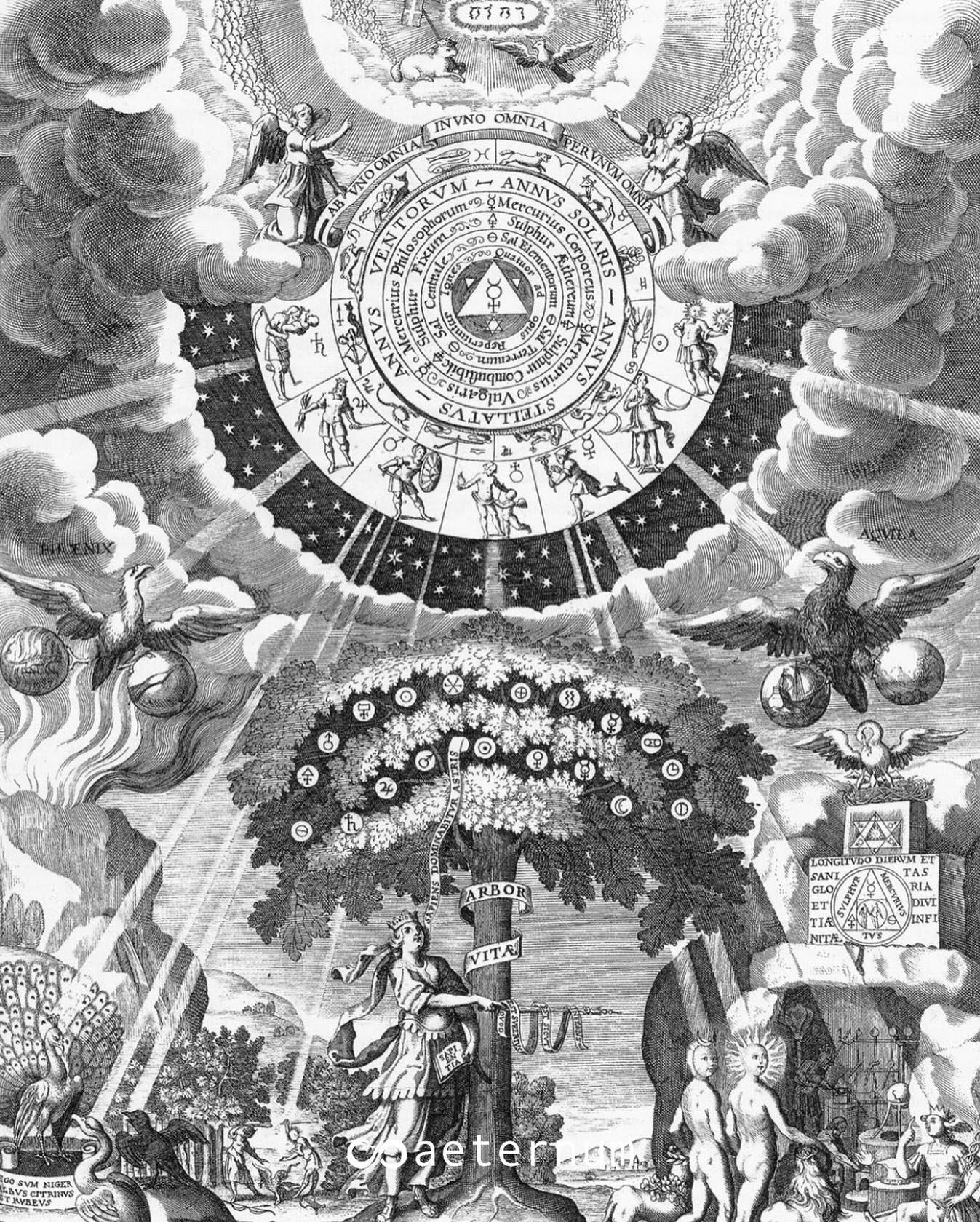
Esotericism is based on the idea that knowledge exists beyond what is accessible to the majority. It is not simply an accumulation of "secret doctrines," but an approach where understanding comes through progressive initiation. The term comes from the Greek esôterikos, meaning "inner," as opposed to exôterikos, which means "open to all." From this perspective, esotericism is not limited to content but to a way of apprehending the world and accessing knowledge reserved for those ready to receive it.

Esoteric traditions have existed in many civilizations. They developed in the shadow of religious and philosophical structures, sometimes complementing them, sometimes opposing them. This knowledge is transmitted initiatically, step by step, through symbols, coded texts, or teachings given by a master to disciples. It is not just intellectual instruction but a transformation, where understanding comes not only through words but also through experience and personal reflection.
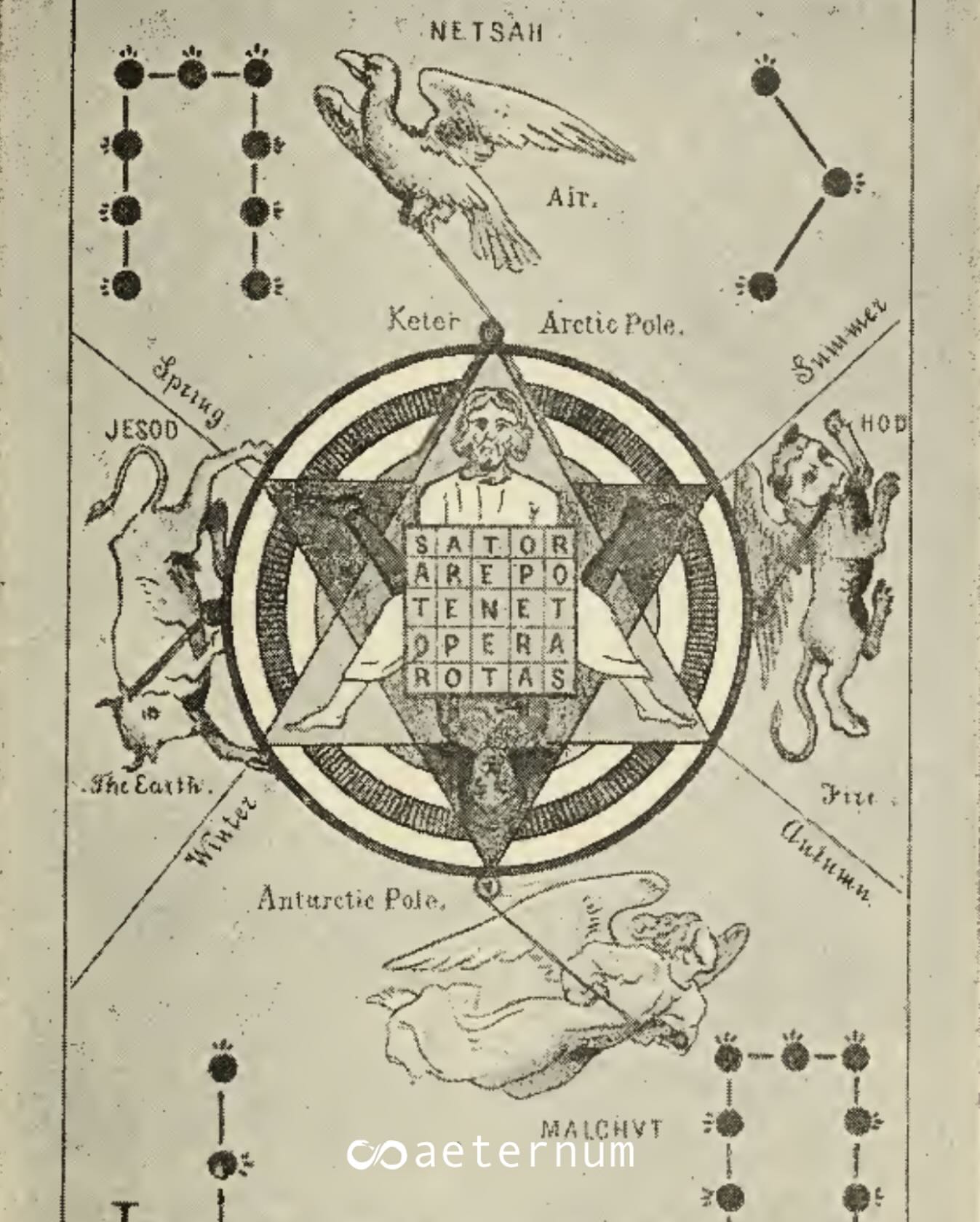
Several esoteric currents have marked history. Hermeticism, inspired by texts attributed to Hermes Trismegistus, explores correspondences between the visible world and invisible forces. Kabbalah, originating from Judaism, offers a symbolic reading of sacred texts and reflection on the structure of the cosmos. Gnosticism, which developed in Antiquity, is based on the idea that knowledge frees the individual from material illusion.
In this vein, an esotericist is someone engaged in the search and study of hidden knowledge. They explore traditions, symbols, and initiatory teachings to understand the laws governing the visible and invisible worlds. They do not necessarily seek to practice magic or manipulate forces but rather to grasp their meaning and integrate that understanding into their personal journey. The esotericist relies on texts, symbolic teachings, and a philosophical approach.
In fact, esotericism is not frozen in the past. It has adapted to each era, reinventing itself through new currents and new forms of expression. While some of its traditions remain linked to the religions that gave birth to them, others have become independent, giving rise to more recent movements that continue the quest for knowledge that reveals itself only to those who take the time to seek it.
2. Occultism: a practice focused on action
Occultism is not limited to hidden knowledge or an initiatory quest. It is primarily defined by its pragmatic and experimental approach. Unlike esotericism, which is interested in the great hidden truths of the universe and inner transformation, occultism aims to master techniques to influence reality. It is not based on philosophy or initiatory teaching but on a series of concrete practices intended to produce visible effects.
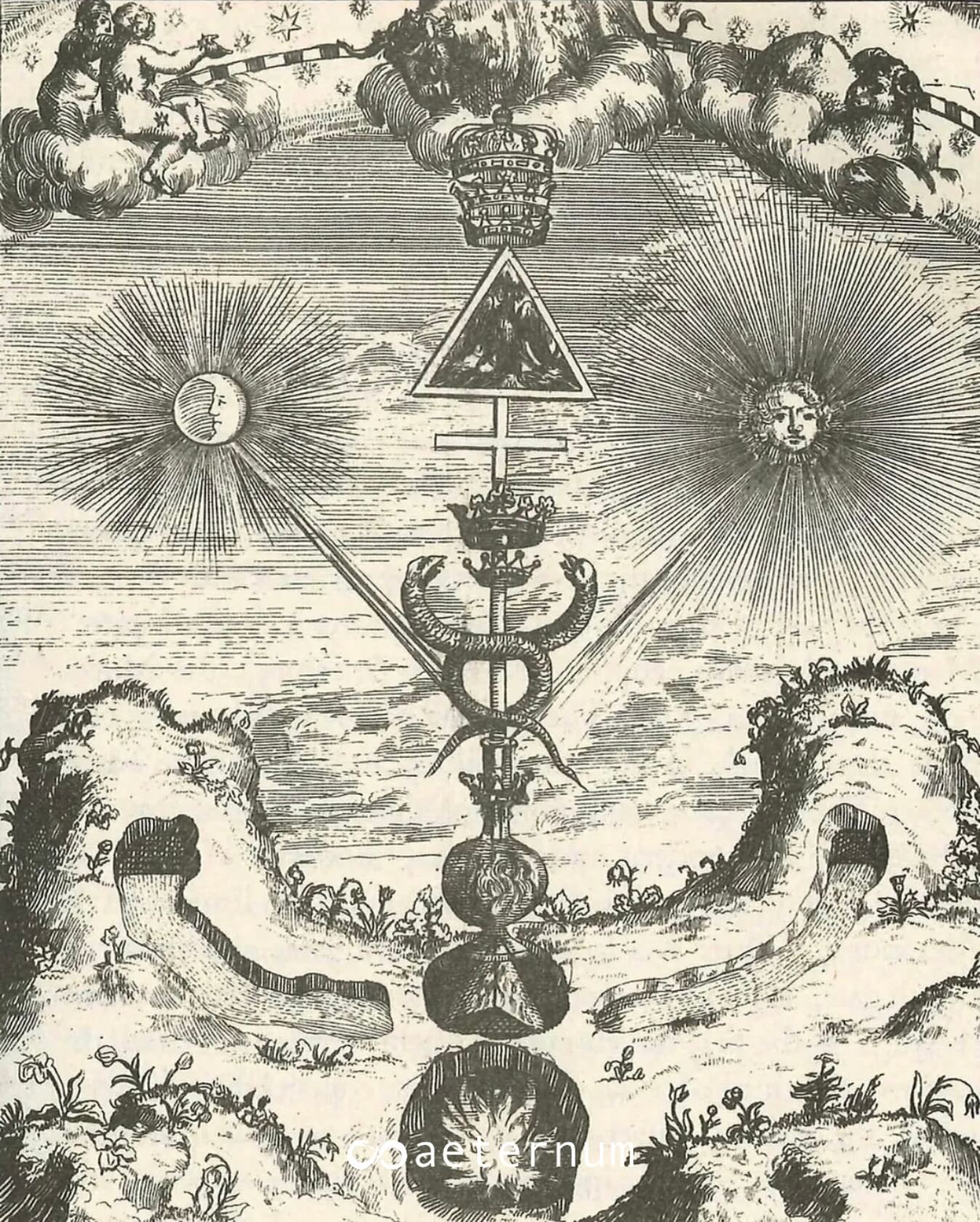
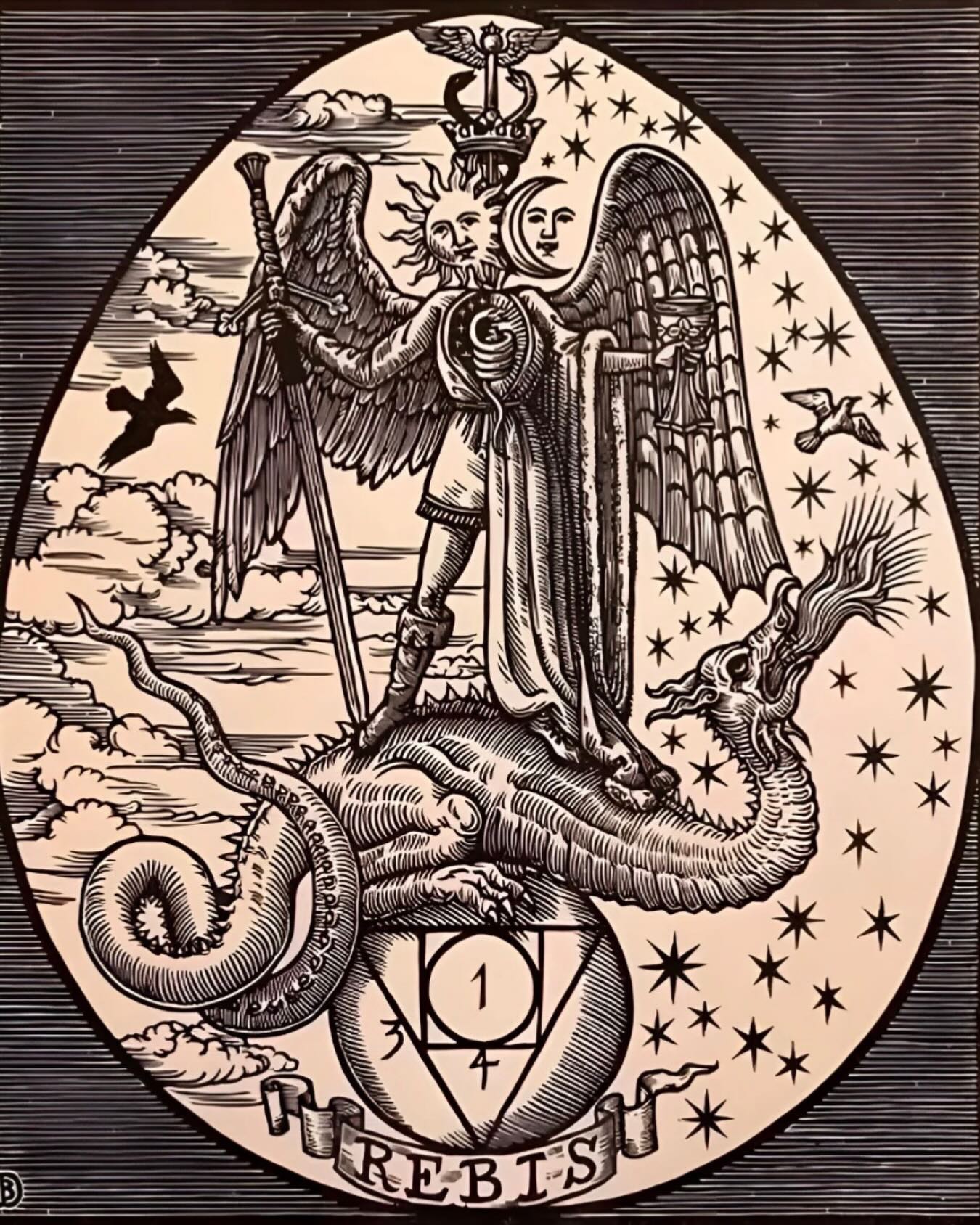
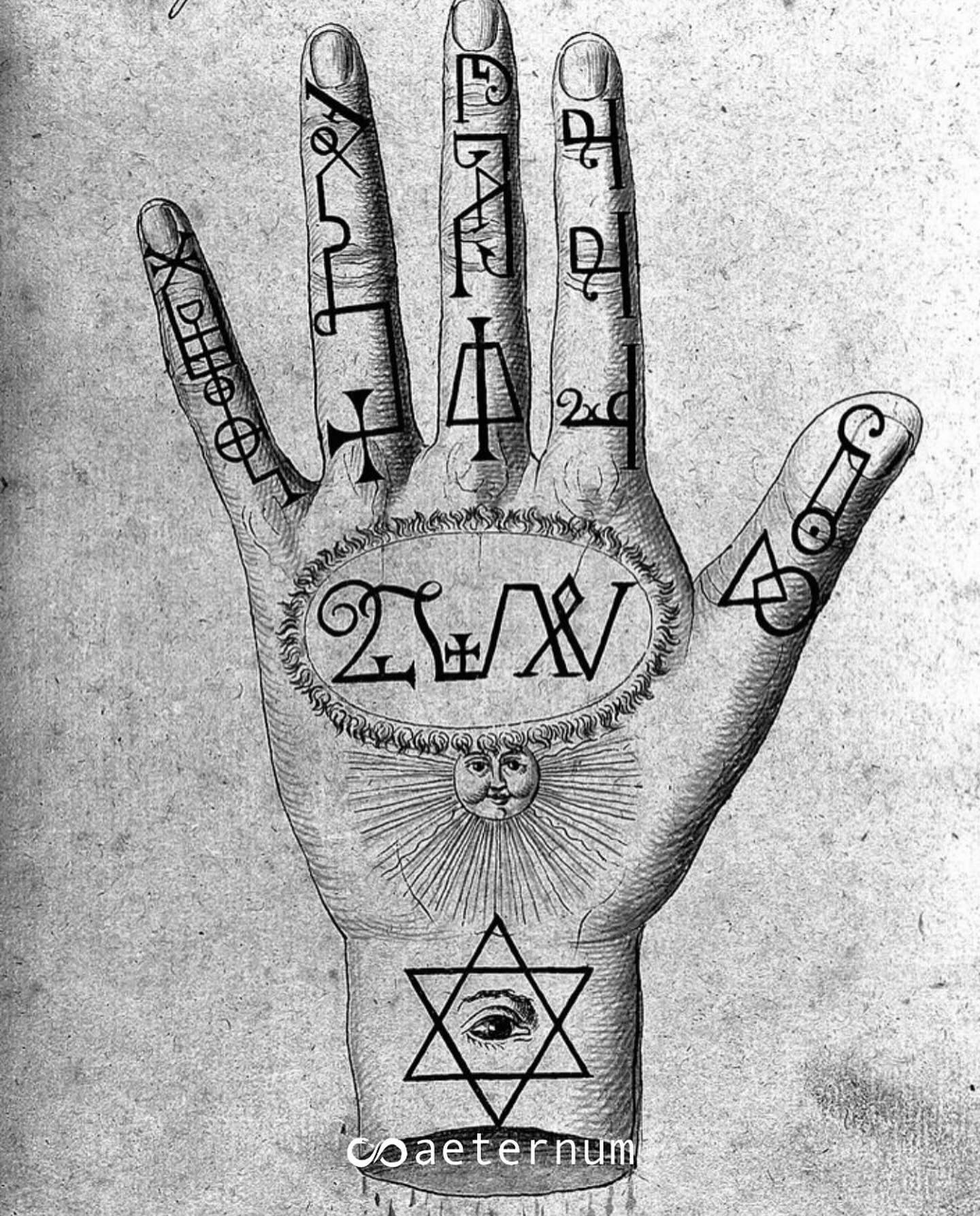
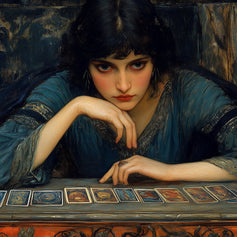
The word comes from the Latin occultus, meaning "hidden." This term does not designate a doctrine but a set of disciplines claiming to act on invisible forces. Magic holds a central place in these practices, whether through rituals, talismans, or the invocation of entities. Alchemy, although sometimes associated with a spiritual approach, also falls under occultism when practiced as a secret science seeking to modify matter. Divination, whether in the form of astrology, tarot, or palmistry, is not intended to transmit initiatory knowledge but to provide tools to anticipate or guide certain events.

An occultist does not limit themselves to study. They apply this knowledge through concrete practices such as magic, alchemy, divination, or entity invocation. Their goal is not only to understand but to act using techniques that belong to the realm of the invisible. They may rely on esoteric principles, but their approach is more experimental, focused on action and obtaining tangible results.
Occultism experienced significant growth in the 19th century. It was no longer defined solely as knowledge passed from master to disciple but as a field of experimentation open to those wishing to explore invisible forces. Figures like Éliphas Lévi and Papus helped structure these practices by giving them a theoretical basis while emphasizing their concrete application. Orders like the Golden Dawn sought in parallel to organize, structure, and theorize.
3. Two intersecting paths
Esotericism and occultism are often confused because they both explore what escapes ordinary perception, and there are points of contact between these two currents. Esotericism nourishes occultism by providing a symbolic structure and an understanding of the hidden laws governing the universe. Conversely, occultism also influences esotericism, as some initiatory schools integrate occult techniques into their teachings. An esoteric initiate may study magic or divination to deepen their understanding of the world, just as an occultist may rely on esoteric principles to give a framework to their practice.
In popular perception, the distinction between esotericism and occultism is often misunderstood. The former is associated with a form of elitist spirituality, reserved for closed circles that transmit difficult-to-access knowledge. The latter, due to its association with magic, is more easily met with suspicion, seen as a domain where marginal practices and occult manipulations mix.
Thus, one explores, the other experiments, but both testify to a desire to go beyond the limits of the material world.