
















































































































|
IN THE SUMMARY...
1. A word with still unclear origins |
Abracadabra is one of those words that everyone knows without really knowing where it comes from. Today associated with magic shows or old cartoons, it actually has a much older history. Explanations.
1. A word with still unclear origins
The exact origin of the word remains uncertain. Some hypotheses suggest a derivation from the Aramaic avra kehdabra, meaning "I create by speaking." Other theories propose a Hebrew origin, with the expression ebrah k’dabri, translated as "I create with the word." Another possibility points to a connection with the Greek term Abraxas, a Gnostic deity whose name, composed of seven letters, was engraved on amulets for its protective virtues.
Despite these different theories, the precise etymology of Abracadabra remains a subject of debate among historians and linguists.
2. A talisman to dispel illness
The term Abracadabra first appears in the 2nd century AD, mentioned by the aptly named Roman physician Quintus Serenus Sammonicus in his work Liber Medicinalis. He recommended that people suffering from fevers, especially malaria, wear an amulet where the word is written in an inverted triangle shape.
The principle was to write the full word on the first line, then repeat it while removing one letter on each following line until only a single letter remained. Here is an example:
ABRACADABRA
ABRACADABR
ABRACADAB
ABRACADA
ABRACAD
ABRACA
ABRAC
ABRA
ABR
AB
A
This arrangement was intended to symbolically reduce the influence of evil or illness, as if the inscription absorbed and diminished the problem until it was eliminated.
3. From medicine to magic
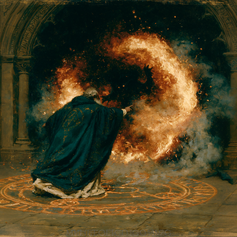
The word Abracadabra was adopted in magic because of its ancient association with protection, invocation, and the idea that speech can influence the real world. Its use evolved over the centuries, moving from ancient medicine to ritual magic, before being absorbed by "stage magic."
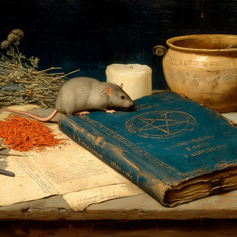
In medieval magic and witchcraft, it is mentioned in grimoires and incantation formulas. The tradition of writing it in an inverted triangle was maintained, especially in practices aimed at banishing harmful energies or diseases. Some esoteric manuscripts included it in protection rituals where the word was drawn on parchments, engraved on talismans, or spoken during magical prayers.
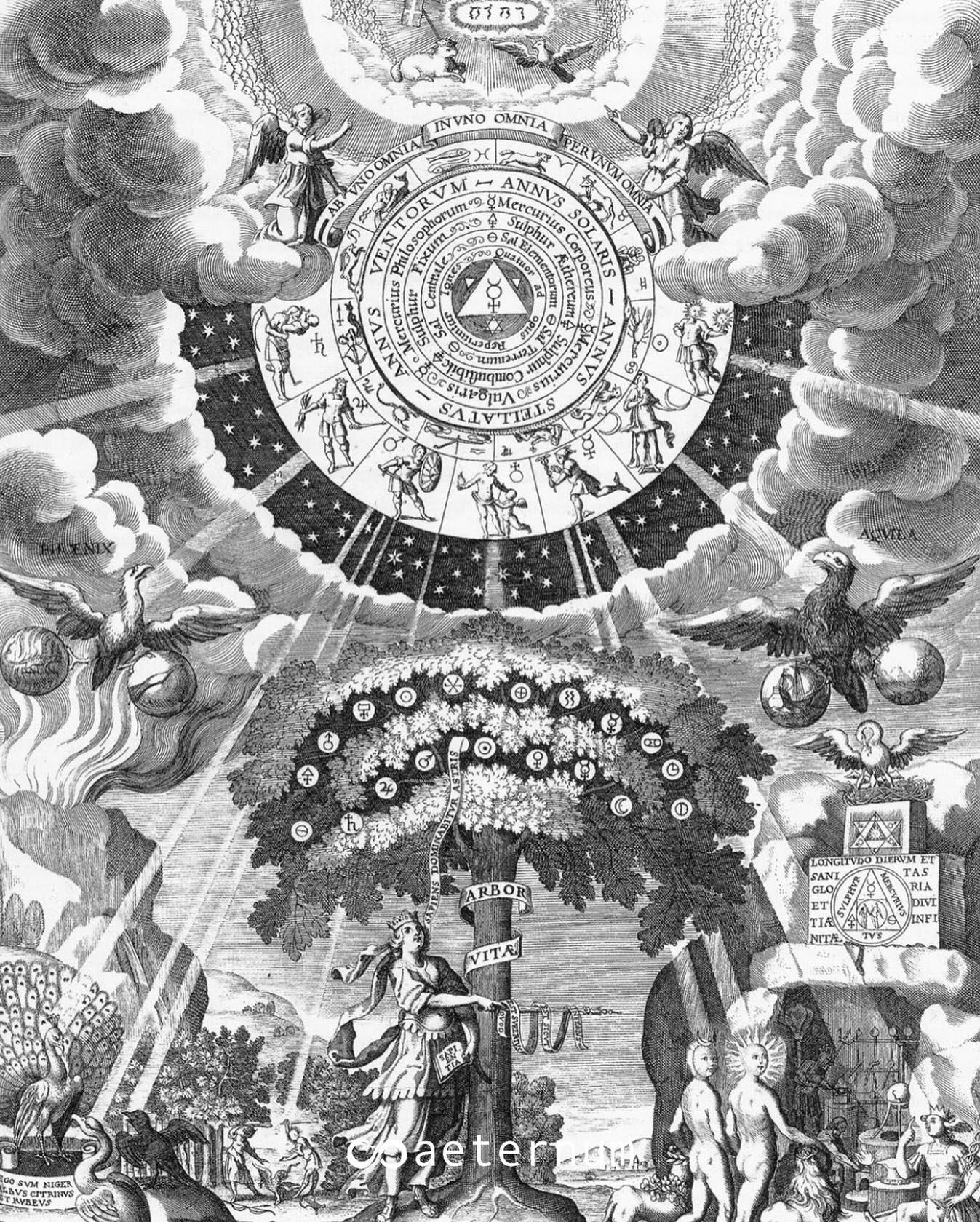
During the Renaissance, alchemists and Kabbalists considered language as a tool of transformation, and formulas like Abracadabra were seen as having a particular vibrational power. It was sometimes linked to the science of letters, where each word and its arrangement could influence the spiritual and material world.
From the 19th century onward, stage magic took over the word, diverting it from its original use. Magicians used it to mark a spectacular effect, associating it with illusions and tricks designed to amaze the audience. This reinterpretation eventually erased, in the collective imagination, its older role connected to esoteric practices.
Despite this, purist esoteric traditions continue to see Abracadabra as a gateway word, capable of channeling intention and materializing will.
And there you have it, see you at the next magical chat-see!