















































































































































































































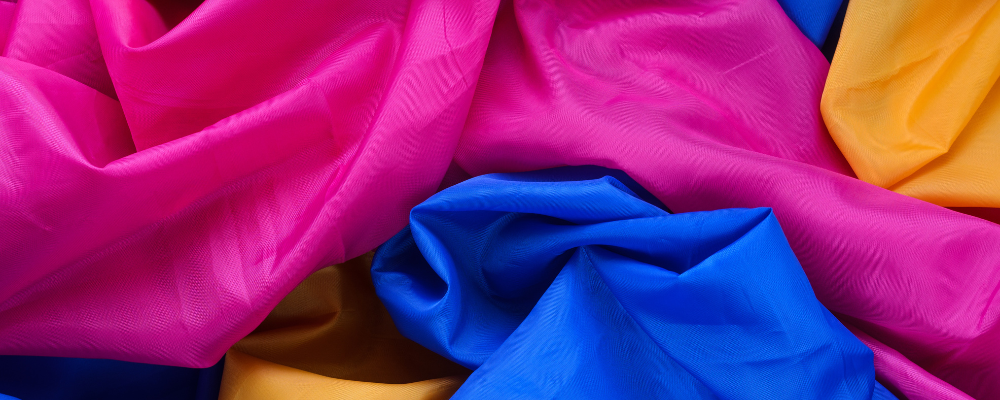
A ritual cloth is not only used to protect an object. It acts as a filter, a veil, a second skin. Wrapping a pendulum, a stone, a card, or a magical vial in a well-chosen cloth helps preserve its vibration, mark out a sacred space around it, and strengthen the bond between the object and its purpose. The choice of cloth is therefore never insignificant: it becomes an extension of the practice.
1. Why wrap a magical tool in cloth?
A magical tool absorbs and emits energy. When left uncovered, it remains open, vulnerable, and exposed to the invisible movements of its surroundings, ambient emotions, or accidental handling. The cloth acts as a layer of silence. It closes the object's energetic field between uses.
This practice prevents the object from taking on unnecessary energy. It preserves its own energy and alignment. It also helps distinguish magical use from mundane use. Wrapping a tool means restoring it to its proper place.
The cloth also provides physical protection. It prevents impacts, scratches, and loss. But its role goes beyond the material. It creates a mobile, adaptable energetic space, invisible to the eyes but very real in practice.
2. What material should you choose to wrap your objects?
A natural fabric is always preferable. Cotton, linen, silk, or even lightweight wool allow the object to breathe while absorbing residual energy. They let the vibration circulate without becoming stagnant.
Synthetic fabrics block, isolate, or trap tension. They may be suitable for a neutral object, but not for an active energetic tool. The feel of the fabric already gives an indication: if it slips without catching, breathes, and does not cling to the skin, it can accompany a magical object.
The material also depends on the nature of the tool. A raw stone will appreciate a dense fabric such as linen. A tarot deck will be more comfortable in fine silk or soft cotton. A magical vial can be placed in a small lined pouch or wrapped in a rolled strip of fabric.
This is not packaging, but a vibrational setting. Your hand should enjoy touching it, opening it, and closing it again.
3. What color should you choose to enhance the object's vibration?
The color of the fabric plays an active role. It influences the object's inner vibration and its relationship with its surroundings. Black fabric absorbs, isolates, and protects. It is suitable for objects associated with cutting ties, protection, or deep meditation.
White fabric stabilizes, clarifies, and neutralizes. It is suitable for objects associated with peace, openness, healing, or divination. Red supports vitality, fire, and attraction. Blue calms and centers. Green regenerates and connects. Purple elevates. Yellow illuminates.
You can choose a color based on the intention associated with the object, or according to the season, the moment, or your personal needs. There is no strict rule. What matters is the harmony between the object and its covering.
A neutral fabric can be kept for all purposes. But if the object has a specific role, its fabric color becomes a tool in its own right. It speaks to the unseen without words.
4. How should you care for fabrics associated with magical tools?
A ritual cloth is not a rag. It retains the imprint of what it protects. It should be hand-washed or washed at a low temperature, without harsh products, and ideally air-dried. Cleansing it with smoke or moonlight may be enough between uses.
If a fabric becomes rough, dull, or unpleasant to handle, it can be replaced. There is no need to keep it indefinitely. It has served its purpose. It can be burned, buried, or returned to the Earth if its cycle is complete.
A well-chosen, well-maintained fabric becomes a silent guardian. It surrounds, supports, and accompanies. It transforms a simple object into a protected and respected magical presence.










Join the Aeternum community on our Facebook group: advice, tips, rituals, knowledge, products in a friendly atmosphere!
I'm going!