















































































































































































































Attributions
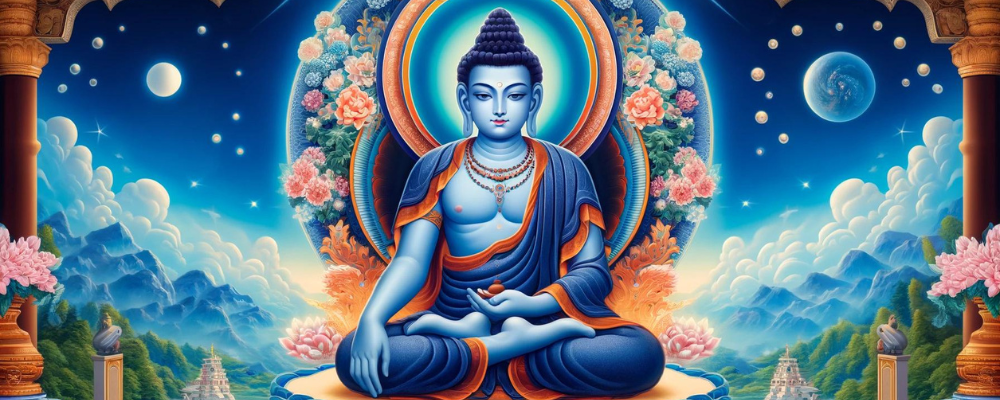
Samantabhadra, also known as Puxian in Chinese and Fugen in Japanese, is revered in Buddhism as the bodhisattva of universal practice and infinite virtue. He is considered the partner of Vairocana, the primordial Buddha, and represents the active aspect of Buddhist practice, emphasizing virtuous conduct and generosity.
Symbols and Appearances
Samantabhadra is generally depicted as a bodhisattva, seated in meditation with a calm and serene expression on his face. He is sometimes shown with multiple arms, holding symbols of spiritual practice such as a vajra (thunderbolt) and a lotus. Samantabhadra is often associated with the color white, representing purity and the transcendence of dualistic concepts.
Myths
Stories about Samantabhadra highlight his role as a model of virtuous conduct and spiritual practice. According to some traditions, he vowed to manifest his body in multiple forms to guide beings toward awakening. Samantabhadra is also linked to narratives about the transmission of dharma teachings and the practice of the six paramitas (perfections) to achieve enlightenment.
Spiritual Message
Samantabhadra’s spiritual message emphasizes the practice of virtue and generosity on the spiritual path. He teaches that Buddhist practice is not only about meditation and contemplation but also about virtuous action and altruistic conduct. Samantabhadra inspires cultivating compassion and kindness toward all beings and practicing the virtues of the dharma to progress toward awakening.





Join the Aeternum community on our Facebook group: advice, tips, rituals, knowledge, products in a friendly atmosphere!
I'm going!