
























































































































For several centuries, witchcraft was seen as a real threat in Europe. Judged as a very serious crime, it sent women and men to the stake, accused of making a pact with the devil. Yet, in 1682, Louis XIV, absolute king of France, ended this logic. He signed an edict that forever changed the way justice viewed magic. This turning point marks the official end of the great witch hunts on French soil.
1. Witchcraft, a religious crime turned state matter
From the 13th century onwards, the Catholic Church equated magic with heresy. The link between witchcraft and devilry took shape, especially under the influence of medieval theologians and manuals like the Malleus Maleficarum, published in 1487. From then on, practicing magic was no longer just a sin; it was a direct offense against God, worthy of being hunted by the Inquisition during witch hunts.

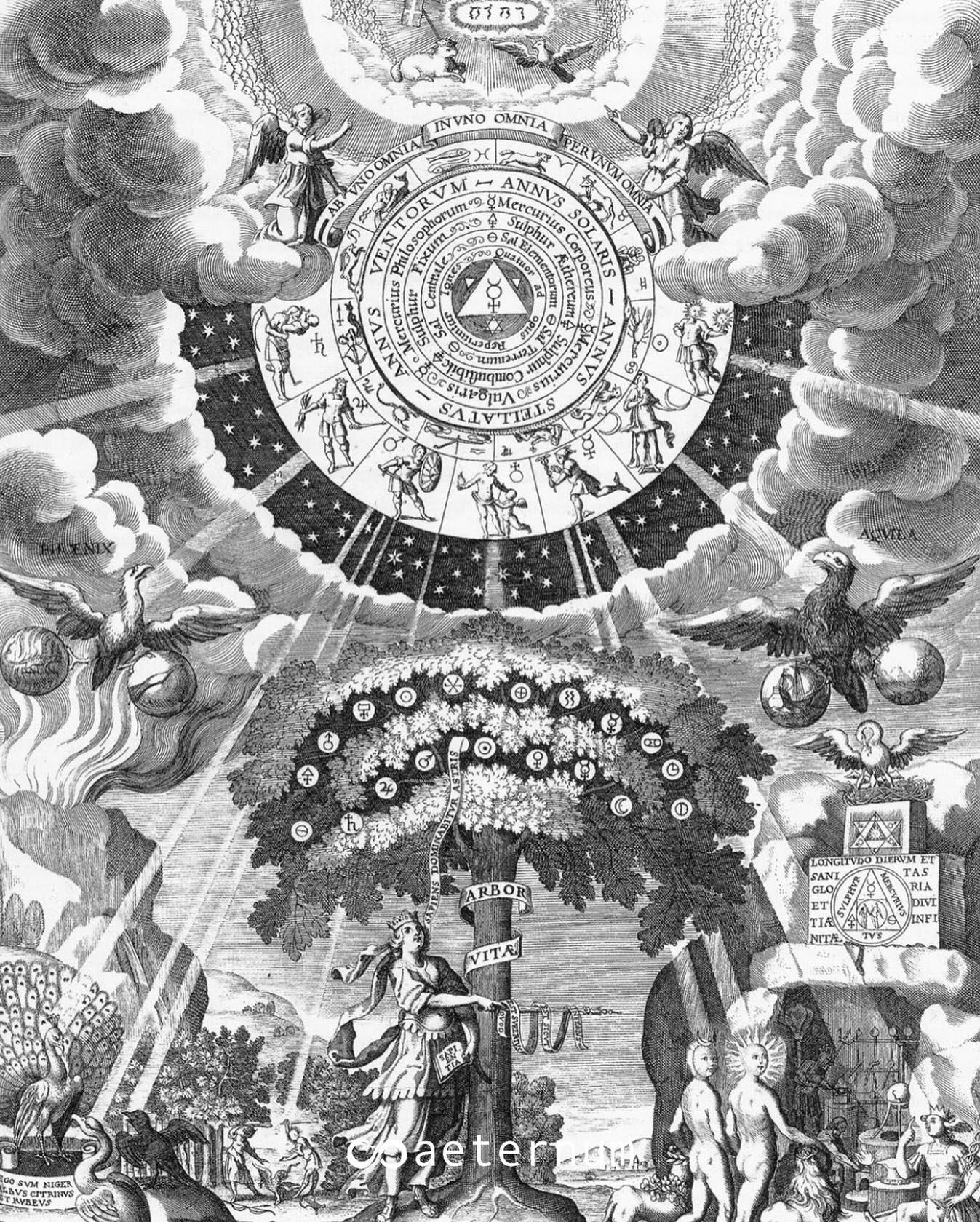
Historical engraving illustrating a witch hunt scene
In France, however, the Inquisition never had the same power as in other Catholic countries (such as Spain or Italy, where it was even more violent). It was the civil courts, particularly the provincial parliaments, that handled witchcraft cases. Justice thus became a local matter, influenced by popular beliefs, neighborhood rivalries, and collective fears.
2. Thousands of victims, especially in Eastern France
Between the 15th and 17th centuries, France experienced several waves of witchcraft trials, particularly in the eastern regions: Lorraine, Franche-Comté, Alsace. These border areas, marked by religious conflicts and social tensions, concentrated a large part of the executions.
It is estimated today that about 3,000 to 4,000 people were executed for witchcraft in France, out of a European total of about 40,000 to 60,000 victims. The vast majority were women, often marginalized or simply too visible in their community. Through them, an entire form of popular knowledge – healing, divination, oral transmission – was targeted, better known as rural witchcraft.
3. Why is witchcraft associated with the devil?
The image of the witch as the devil’s servant does not come from popular traditions but from an ideological construction by the Church. From the Middle Ages, ecclesiastical authorities forged a narrative in which the witch makes a pact with the devil, participates in sabbaths, renounces the Christian faith, and seeks to harm Christians. This vision spread in the courts and provided a theological basis for repression.

Stake. Source: Koikispass
Justice therefore condemned not only an act but a supposed malicious intent, a direct link to the forces of Evil. It is this shift that transformed simple rituals or remedies into acts considered heretical and criminal.
4. Louis XIV facing judicial superstitions
At the end of the 17th century, mentalities evolved. At court, in scholarly circles, witch trials were now seen as ridiculous affairs, coming from "ignorant countryside." Louis XIV, attached to the image of a modern, centralized, and rational kingdom, could not tolerate such matters tarnishing royal authority.
Recall the context: the kingdom of France was the most powerful in Europe and one of the most powerful in the world. It had the largest army in Europe, developed a solid mercantilist model and a flourishing economy, and the French language became the diplomatic and cultural language of the elite. In other words, all eyes in the world were on the power of France and thus the king.

Louis XIV driving his carriage in the park of Versailles, Eugène Louis Lami
Louis XIV also wanted to regain control over a justice system he considered too fragmented. The provincial parliaments, still inclined to judge witchcraft cases, escaped his control. Ending these trials thus allowed him to strengthen his absolute power over the judicial apparatus.
5. The royal edict of April 24, 1682: a historic break
On April 24, 1682, Louis XIV published a royal edict titled: "Edict of the king stating that alleged sorcery will henceforth only be punishable when there is a proven crime or offense."
This text states that acts of witchcraft can only be prosecuted if they are linked to a real crime: poisoning, fraud, public disorder. Magic, as an isolated practice, no longer falls under criminal law.
The edict does not declare that witchcraft does not exist, nor that the devil is a fiction. It simply declares that no accusation can succeed without concrete proof. This is enough to defuse the mechanism of witchcraft trials.
6. A more rational justice, but not a rehabilitation
However, it would be wrong to see Louis XIV as a defender of witches or a precursor of freedom of belief. His decision was not guided by compassion but by political and administrative considerations. He wanted an efficient, controlled justice, free from impulses that escaped his monarchical logic.
Nevertheless, this decision marks a decisive turning point. From 1682 onwards, witch trials gradually disappeared in France. The stake was extinguished. The fear of the devil lost its judicial power. Magic, however, did not disappear: it became more discreet, more underground, but it continued to exist on the margins, though deeply marked by these persecutions.