



|
1. Natural magic |
Do we really know magic? The term is widely used to designate acts, works, or even effects. But what is it really? I think that to truly understand it (and master it as much as possible), one must know its substance. So in this article, I propose to explore what magic intrinsically is, which has been theorized in the form of four so-called fundamental magics. Thus, you will grasp the full power of this term and what it conceals. Explanations.
1. Natural magic
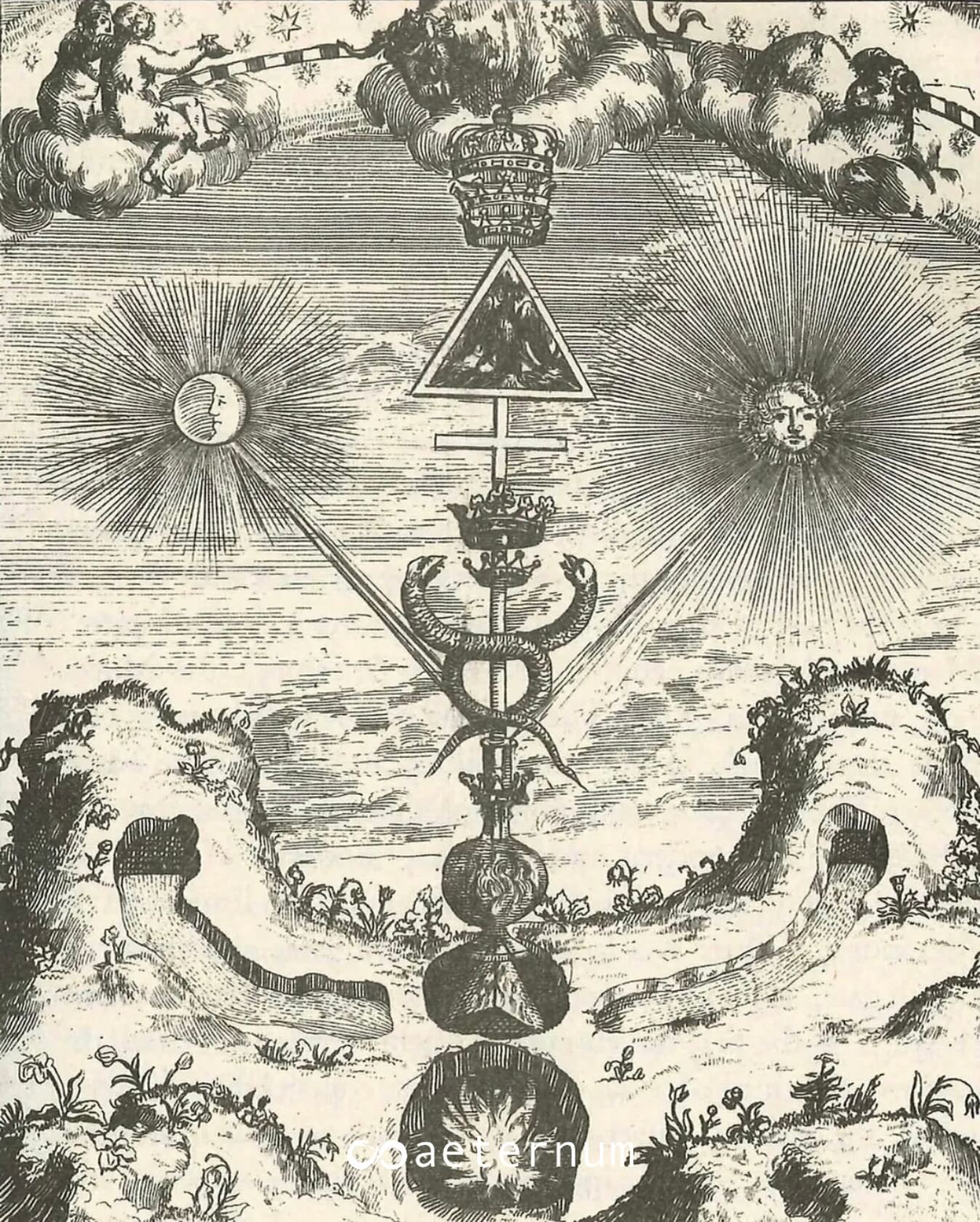
Natural magic, also called "naturgy," encompasses all the achievements that the four kingdoms of nature can offer when one knows how to exploit them. This magic calls upon the mineral, plant, animal, and sometimes even human worlds. Naturgy has thus evolved over time, giving rise to disciplines such as pharmacology.
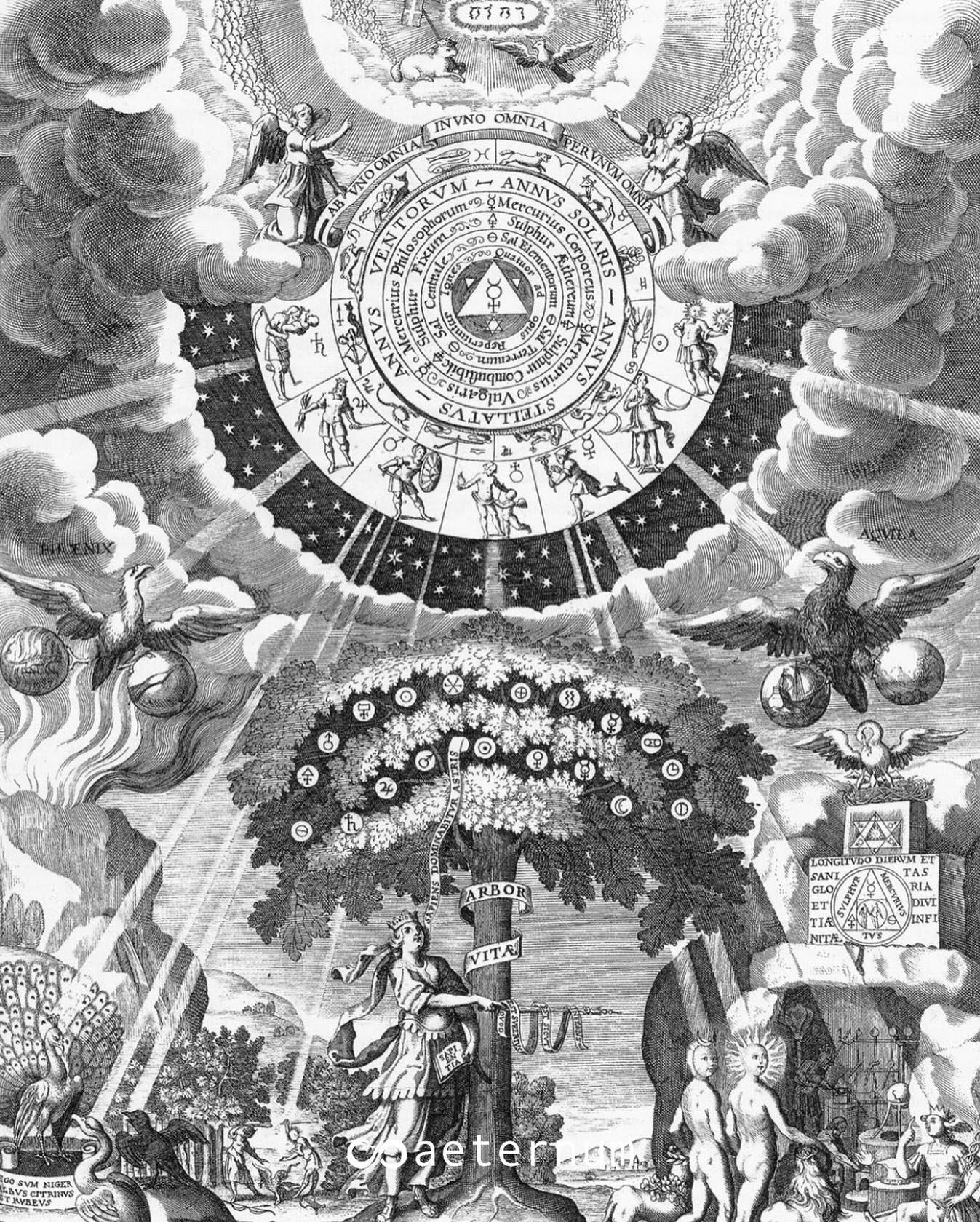
However, as you know, humans tend to try to copy and industrialize, sometimes incompletely, solutions rather than learning to use what nature offers perfectly. This approach has gradually limited our ability to fully discover and exploit what nature can produce, wonders sometimes considered miraculous but fundamentally extraordinary. Note, I am not saying there have been no discoveries thanks to plants, but it must be admitted that the importance given to the natural act is relegated to the background. Another well-known discipline is a perfect illustration of natural magic: alchemy.
Natural magic can be considered the ancestor of these more current practices:
- Elemental magic: direct use of the elements (earth, water, fire, air) to produce magical effects.
- Green magic: magical practices based on nature and the Earth.
-
Herbalism: use of plants for healing and magical effects.
-
Lithotherapy: use of stones and crystals to influence energy and health.
-
Aromatherapy: use of essential oils extracted from plants for well-being and healing.
-
Holistic medicine: healing approaches that integrate knowledge of the natural properties of substances.
- Alchemy: transformation of natural substances to achieve spiritual and material goals.
2. Evocative Magic
Evocative magic is an ancient practice that involves summoning spiritual or psychic entities to obtain their help (or submission) to fulfill various desires. These entities can vary in nature and alignment, ranging from luminous forces to dark or even demonic entities. Indeed, although some practitioners claim to invoke divine or angelic forces, it is rare for pure magic to reach high levels of light.
Entities summoned by evocative magic can be demons, spirits, or even souls of the deceased. Spiritism, for example, is a form of evocative magic called necromancy, which involves communicating with the dead. However, unlike traditional evocative magic, spiritism often lacks occult protections for the medium and participants, thus exposing them to possible dangers and deceptions from the invoked entities.
In 19th century England, a fascination with vampires also led to their invocation by some occultists. Furthermore, another form of evocative magic focuses on the evocation of elementals, entities linked to the four basic elements (Earth, Water, Fire, Air) and sometimes to the quintessence, Ether.
Evocative magic can be considered the ancestor of these more current practices:
-
Spiritism: communication with the spirits of the deceased through mediumistic séances.
-
Demonology: study and evocation of demons and dark spirits.
-
Theurgy: invocation of divine or angelic entities to obtain revelations or spiritual assistance.
-
Goetia: black magic involving the summoning of demons for specific purposes.
3. Analogical Magic
Analogical magic is often considered the driving force behind every magical act. Without the principle of analogy, magic could not work. In fact, this principle could provide a scientific definition of occult disciplines, especially with advances in quantum physics. Through analogy, magic works by symbolically linking the magician's practice to the phenomenon they seek to produce. Failure in magic is generally due to a failure in creating this essential analogical link.
Analog magic relies on the use of symbols or representations to act remotely on a target. For example, the mage Milarepa, in the Indian tradition, would draw a circle in the sand representing a city and pour water into it. This action historically caused a torrential flood on the designated city. Similarly, bewitching uses a dagyde, a wax doll representing a person, which is pricked with needles to cause pain or discomfort to that person.
Although often practiced by amateurs, analog magic is no less effective. It plays a central role in many traditions, such as voodoo, where it is used alongside evocative and natural magic. Analog magic also forms the basis of radionics, a science that uses geometric, symbolic shapes or radiations to generate programmable energy. Dowsing, which uses pendulums and divining rods, is one of the best-known associated disciplines.
Analog magic can be considered the ancestor of these more current practices:
-
Radionics: using geometric shapes and symbols to generate programmable energies.
-
Dowsing: Using pendulums and rods to detect subtle energies and influences.
-
Sympathetic magic: using representations (such as voodoo dolls) to influence people or situations from a distance.
4. Psychic Magic
Psychic magic, also known as psychurgy, is considered by many to be the most authentic and noble form of magic. Unlike other forms of magic that rely on natural substances, entities, or magical objects, psychurgy relies entirely on the magician's intrinsic abilities. This form of magic requires no external tools, except for the practitioner's own will and concentration.
Psychurgy is used to perform powerful magical acts without relying on external supports. Whether to influence matter, heal, protect, or manifest phenomena, psychurgy relies on the magician's ability to channel and direct their own mental and spiritual energies.
Fluidic magic is often associated with psychurgy. Although it is not a distinct discipline, it plays an important complementary role. Fluidic magic consists of concentrating psychic energy on an object, a living being, or inanimate matter, using the magician's will and concentration. The fluid is thus an ethereal substance represented by gestures, words, or even visualization. It is notably practiced by magnetizers.
Psychic magic can be considered the ancestor of these more current practices:
-
Telekinesis: ability to move objects by the power of the mind alone.
-
Energy healing: healing techniques that use the mental and spiritual energy of the practitioner (such as Reiki).
-
Creative visualization: use of imagination and concentration to manifest desires and goals.
-
Hypnosis and self-hypnosis: use of mental techniques to influence behavior and perception.
5. Correspondence Chart
To better understand the heritage and place of these fundamental magics, which are rarely mentioned as such, here is a chart that should enlighten you.
| Natural magic | Elemental magic, green magic, alchemy, aromatherapy, lithotherapy, herbalism |
| Evocative magic | Shamanism, invocations, goetia, theurgy, spiritism |
| Analogical magic | Sigil magic, astrology, dowsing, sympathetic magic, radionics |
| Psychic magic | Telekinesis, energy healing, creative visualization, hypnosis, astral projection, clairvoyance, telepathy |
The major types of magic such as white, black, or red magic are based on the 4 fundamental magics, which is why they do not appear in this chart.
I hope this brief overview will help you better understand the full essence of magic!
[bloctwist]