



|
IN SUMMARY...
1. A sacred tradition |
For centuries, kings were believed to have an exceptional gift: the ability to heal by the simple touch of their hand. Between tradition and power, this ritual established itself as proof of their legitimacy. A dive into the history of the Royal Touch.
1. A sacred tradition
From the Middle Ages until the 18th century, the Royal Touch was part of a monarchical tradition where the king, as God's representative on Earth, possessed healing powers. This ritual mainly concerned scrofula, a disease affecting the lymph nodes in the neck, known to be difficult to cure. The act was not only a matter of popular faith but also a political strategy reinforcing the sovereign’s image as protector of his people. Each ceremony reminded that his authority came from a sacred origin, thus justifying his reign by a right superior to that of men.
2. A codified ritual
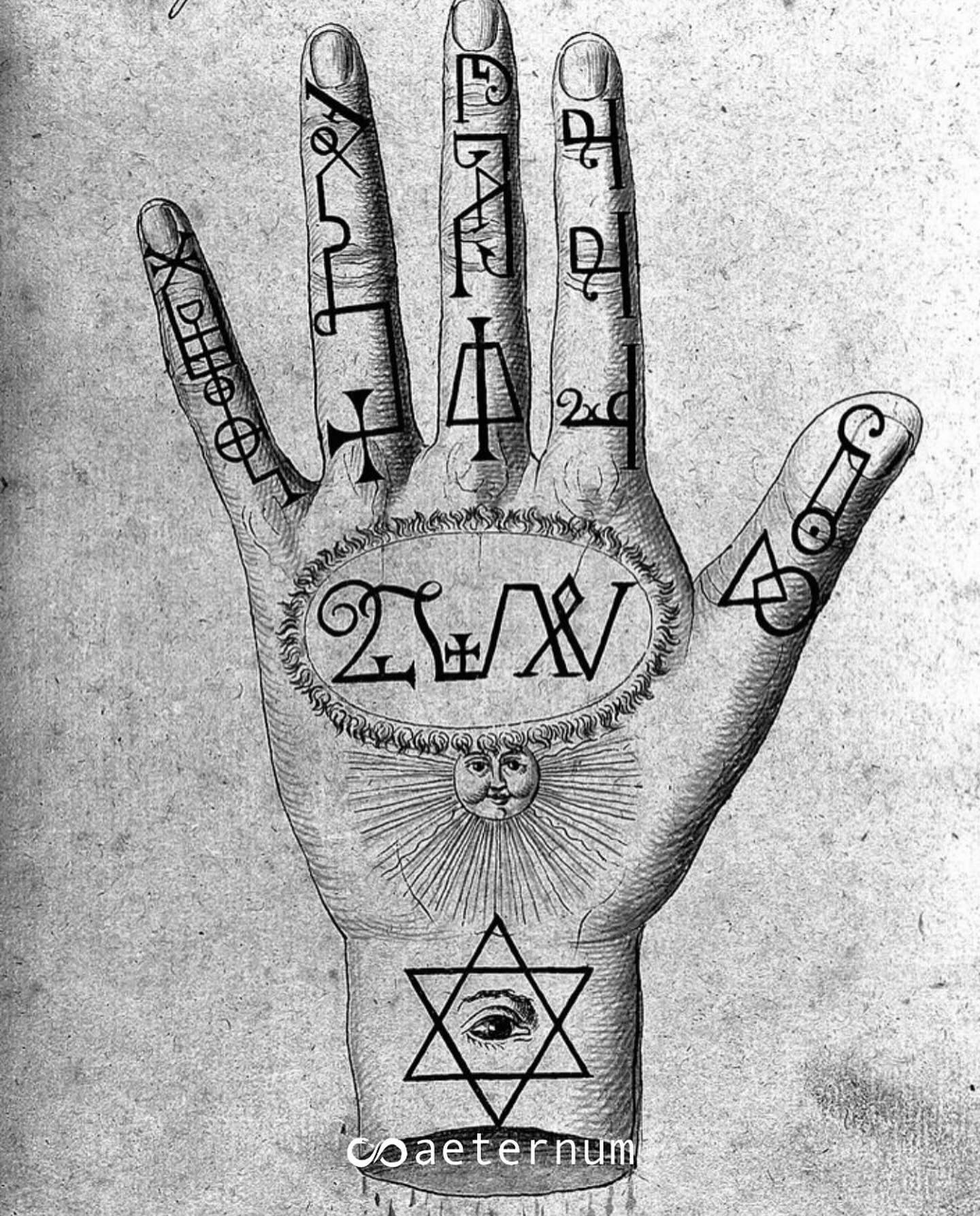
The Royal Touch ritual followed a precise protocol. The king placed his hand on the sick person while pronouncing a consecrated formula affirming the divine origin of his healing ability:
“The king touches you, God heals you. ”
In England, the phrase was similar:
“ The king touches thee, God heal thee. ”

Source: Histoire Pour Tous
This solemn moment, witnessed by a large crowd, took place on special occasions such as the coronation or religious festivals. Some patients left with a blessed medallion (the scrofula medallion), a tangible symbol of this royal intervention. The entire ritual reinforced the sovereign’s aura and maintained the idea that his reign was linked to divine favor.
In France, this ceremony took place in Reims and could gather up to 2,000 people in a single session!
3. A practice between faith and magic
The Royal Touch was based on the belief that the king, as God’s chosen, transmitted a beneficial force to his people. This practice went beyond the religious framework and connected with older traditions where the laying on of hands was associated with healing effects. Some comparisons have been made with magnetism, which is based on the idea that energy flows through the body and can be channeled to relieve ailments. Beyond its spiritual aspect, this ritual reinforced the image of the sovereign as a protective figure endowed with extraordinary abilities.
4. Decline and disappearance
The rise of the Enlightenment and the development of medicine gradually challenged the Royal Touch. The idea that a sovereign could heal by simple contact lost credibility in the face of scientific advances and the rise of rationalism. The practice, once seen as proof of royal legitimacy, became a relic of another era. In 1825, Charles X was the last king to perform this ritual at his coronation, but the event was met with skepticism and ridicule. A few decades later, the monarchy itself was only a memory in France, taking with it this last vestige of sacred power.
In England, the practice persisted until the early 18th century. Henry VII, Elizabeth I, and especially Charles II were followers. Anne Stuart was the last English sovereign to perform this rite. With the rise of rationalism and the end of divine right monarchies, the ritual gradually disappeared.