Contents...
|
1. The legends of the Caduceus |
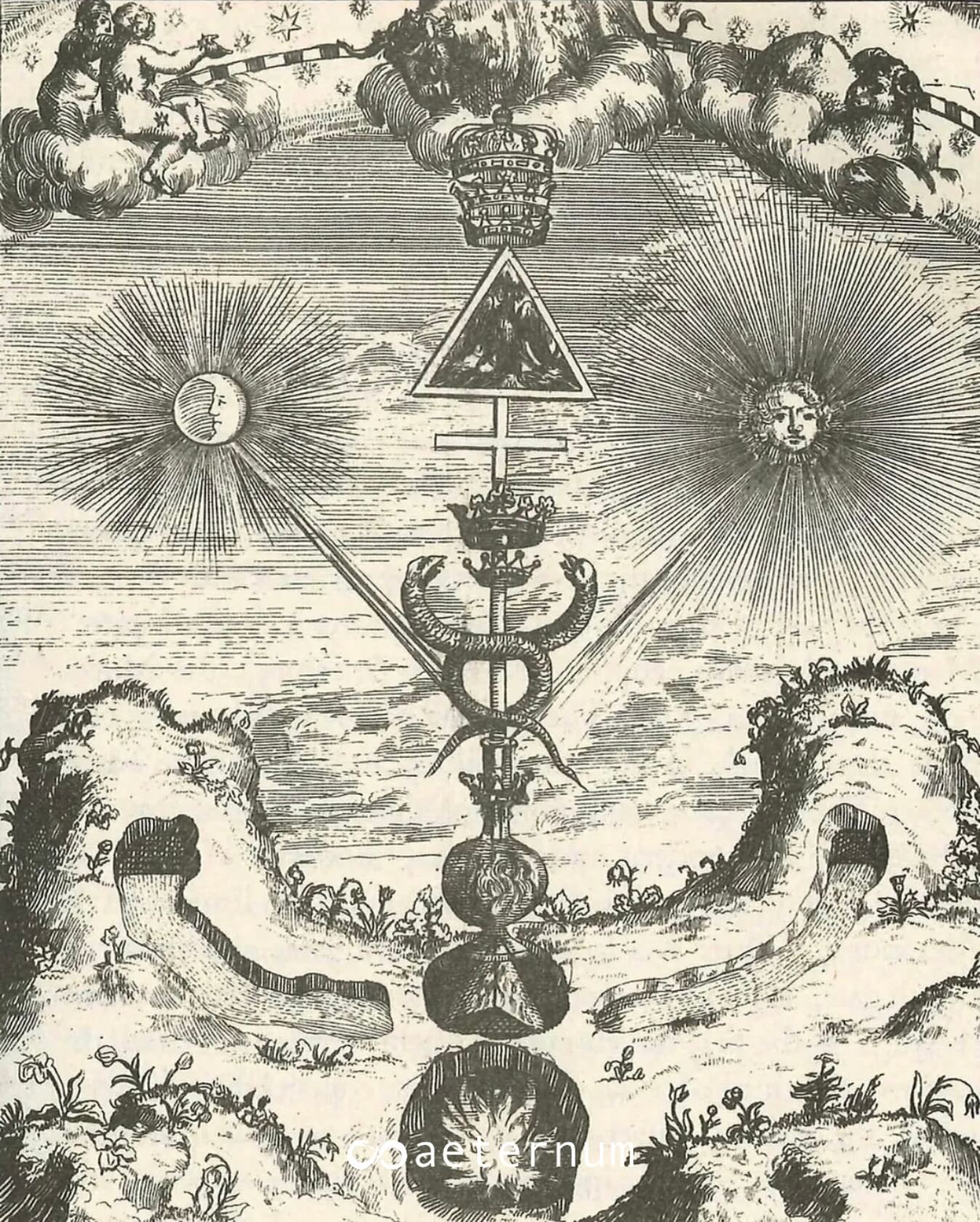
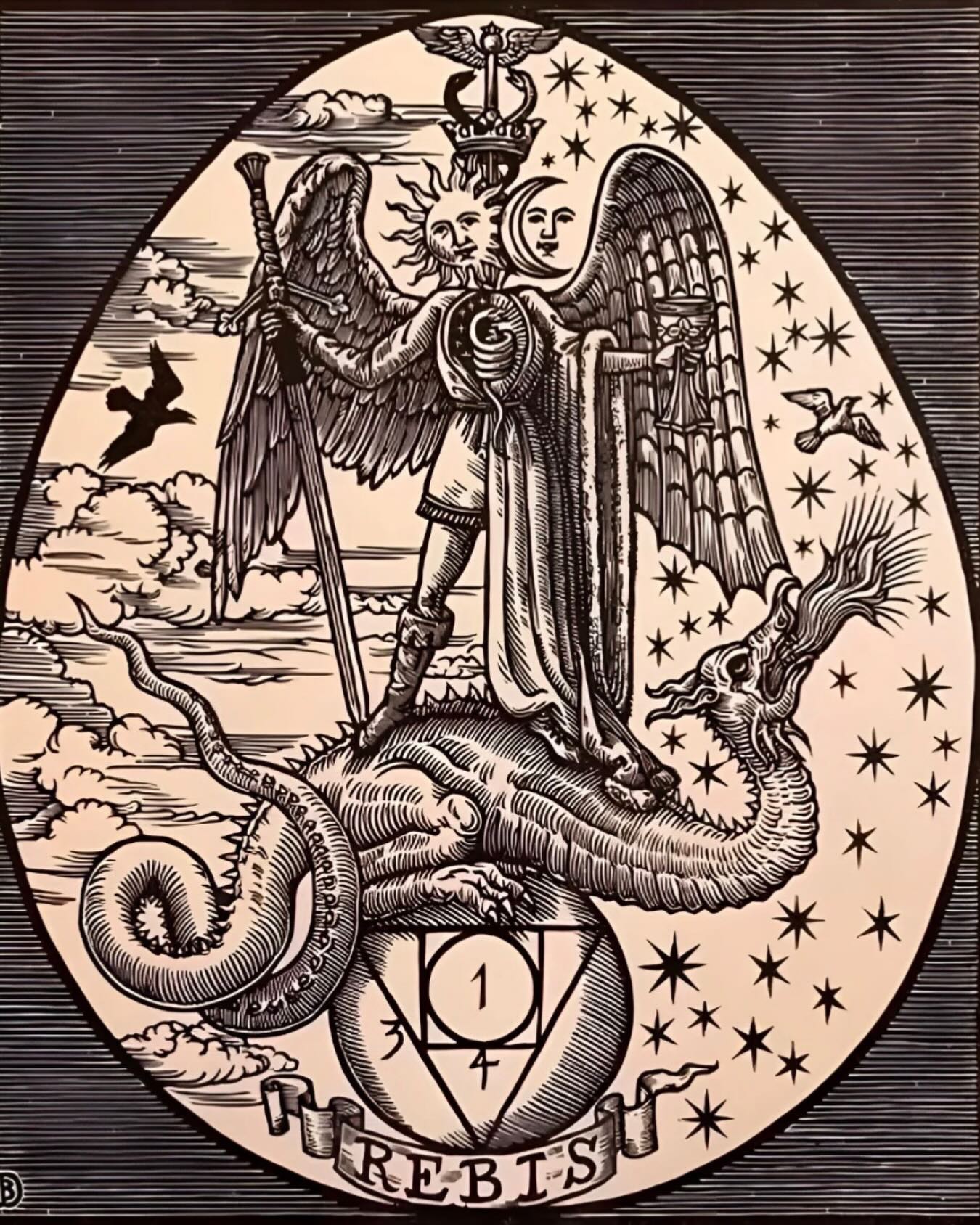
In our series on esoteric and magical symbols, we are focusing this time on the Caduceus. Be careful, it should not be confused with medical and pharmacy symbols. Originally associated with Hermes, the messenger of the gods in Greek mythology, this symbol has seen its representations evolve. In ancient Rome, it was just as central, representing Mercury, the Roman equivalent of Hermes, and retaining his attributes as guide of souls to the afterlife, protector of merchants, travelers, and thieves.
1. The legends of the Caduceus
Hermes, born of Zeus and Maia (not to be confused with Gaia), distinguished himself from birth by his ingenuity, creating the lyre from a turtle shell and sheep intestines. On the same day, he stole fifty cows belonging to his brother Apollo, cleverly masking their tracks. When Apollo discovered the theft, he brought Hermes before Zeus to be judged. To appease his brother, Hermes played the lyre, charming Apollo who then proposed an exchange: the lyre for the caduceus, a magical staff symbolizing Hermes' roles as messenger and mediator. Apollo, god of music, received the lyre, enriching his domain, while Hermes acquired the caduceus, marking his role as guide of souls and divine mediator.

In Roman mythology, Mercury, the equivalent of Hermes, was born from the love of Jupiter (the equivalent of Zeus) and Maia, the daughter of the Titan Atlas. Mercury inherited many qualities from Hermes, including his speed and cunning. Like his Greek counterpart, Mercury was considered the messenger of the gods, the protector of merchants, thieves, and travelers. The legend says that Mercury, one day, separated two snakes that were fighting by throwing his golden wand between them. To his great surprise, the snakes stopped struggling and coiled around the wand in opposite spirals, thus creating the Caduceus. This act of peace imbued with authority symbolized Mercury's ability to bring balance and reconciliation.

2. Description of the Caduceus
2.1. The wand
The wand at the center of the Caduceus is often seen as an axis, a pillar around which everything else revolves, representing stability and balance. In some stories, it is considered a messenger's staff or a shepherd's staff, evoking the image of Hermes as a guide of souls to the afterlife and protector of travelers and merchants. This central wand is a symbol of power, authority, and the ability to connect the divine with the earthly.
2.2. The snakes
The two snakes winding around the staff in opposite loops are key elements in the symbolism of the Caduceus. They represent duality, wisdom, rebirth, and healing. Snakes, capable of shedding and renewing their skin, are traditionally associated with transformation and regeneration. Their presence on the Caduceus also evokes the duality of forces in the universe, such as good and evil, yin and yang, suggesting that balance is crucial for harmony.
2.3. The wings
The wings at the top of the staff symbolize speed, elevation, and freedom. They represent Hermes' ability to move quickly and freely between the divine and mortal worlds, between heaven and earth. The wings add a divine dimension to the Caduceus, illustrating Hermes' celestial nature as messenger of the gods. They are also a symbol of spiritual ascension, evoking the spirit's ability to transcend material constraints.
3. The confusion with the Rod of Asclepius

Historically, the Caduceus has been confused with the Rod of Asclepius, which is a true symbol of medicine and healing, characterized by a single snake wrapped around a staff. The confusion between these two symbols increased from the 19th century, especially in the United States, where the Caduceus was adopted by medical and military organizations, probably due to its association with Hermes' "mediator" aspect and the military values of neutrality and efficiency. Despite this mistaken adoption, the Caduceus has become a common emblem in the health field, often used to symbolize medicine and health services, although medical and historical purists prefer the Rod of Asclepius for its more direct connection to healing.
4. Symbol of eloquence
This association mainly stems from his connection with Hermes, who in Greek mythology is not only the messenger of the gods but also the god of speech, communication, and persuasion. Hermes, as the patron of orators and writers, is often invoked for his linguistic skills and his ability to convey clear and persuasive messages.
That's not all, the Caduceus embodies several aspects of this versatile god: his role as divine messenger, protector of merchants, travelers, and thieves, as well as his status as guide of souls to the afterlife. The presence of the entwined snakes also reinforces the idea of mediation and reconciliation, essential qualities for any messenger or intermediary.
As a side note, a Caduceus is present on the edge of the National Assembly's gallery, a place of eloquence and mediation.

And there you go, you are now an expert on this symbol often confused with others!
[bloctwist]