General Description of the Rusalka
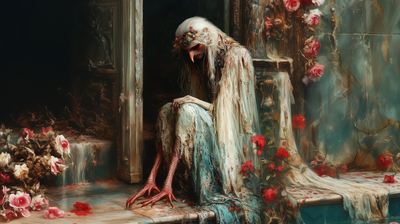
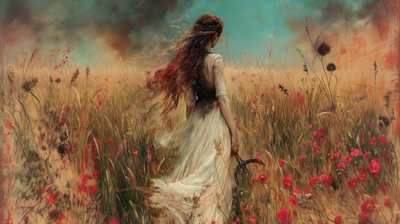
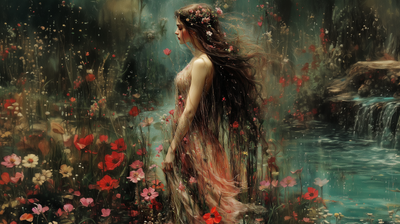
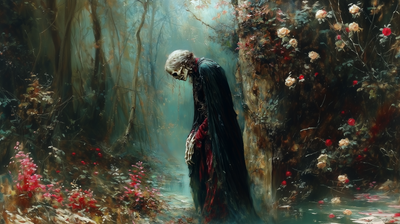
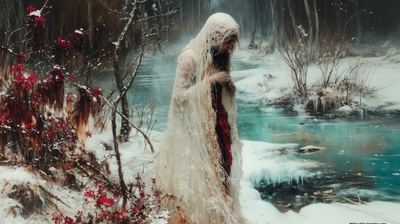
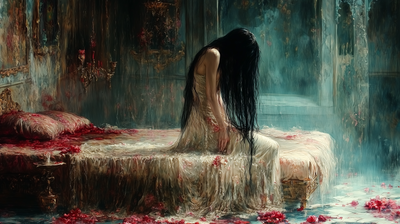
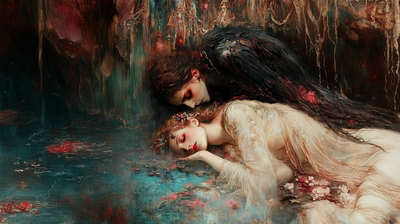
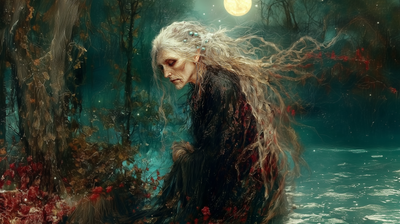
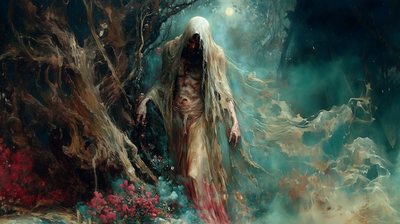
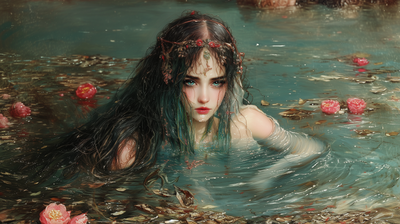
The Rusalka is an aquatic creature from Slavic folklore, often described as a water nymph or a mermaid. Originally, Rusalki were benevolent spirits linked to fertility, responsible for the growth of crops by bringing the necessary water to the fields. However, over time, they became more sinister spirits, dangerous and seductive, symbolizing the destructive aspect of natural forces. They are often depicted as beautiful women, sometimes naked, with long, loose hair, luring men to drown them in lakes or rivers.
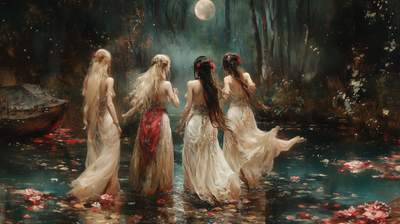
According to some legends, Rusalki are the spirits of young women who died tragically, often by drowning, frequently following unhappy love. They inhabit bodies of water and emerge mainly at night or during specific periods such as Rusalka Week, when they become particularly active and dangerous.
Rusalka Correspondences Table
| Stones | Lapis lazuli, aquamarine |
| Colors | Green, blue, silver |
| Plants | Willow, reed |
| Signs | Pisces, Scorpio |
| Planet | Moon (symbol of water and femininity) |
| Offerings | Flowers, coins thrown into the water |
Symbols and Appearances
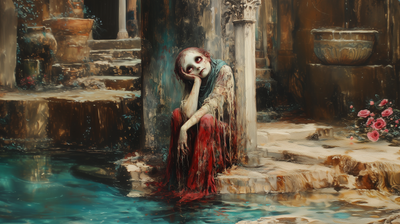
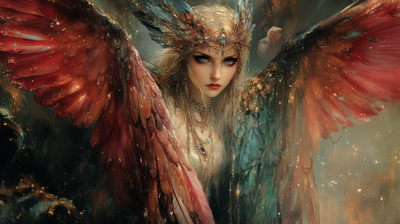
The Rusalka is often depicted as a beautiful woman with long green or blonde hair, combing it while sitting by the water’s edge. Her hair is a central symbol, and the Rusalki’s headdress is often made of aquatic plants. Rusalki use their beauty to lure men, then kill them by drowning or by “tickling” them to death, a recurring feature in Slavic tales.
Rusalka Genealogy
Rusalki do not have a specific divine genealogy, but they are often considered spirits of women who died prematurely or tragically, often by drowning. In some stories, they are connected to Mavkas or Vilas, other female nature spirits in Slavic folklore.
Rusalki are ambiguous figures, symbolizing both fertility and destruction, and their presence in stories reminds us of the unpredictable power of natural elements and human passions.
Rusalka Week
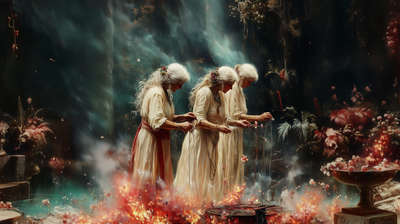
During Rusalka Week, an ancient fertility celebration at the beginning of summer, Rusalki leave their aquatic habitat to wander through fields and woods, representing both life and death. During this time, swimming was forbidden because Rusalki could lure swimmers into the water and drown them.