General Description of Nav
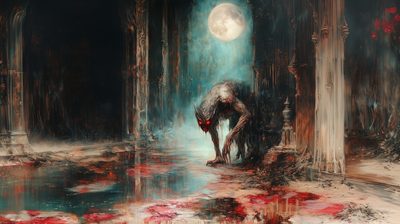
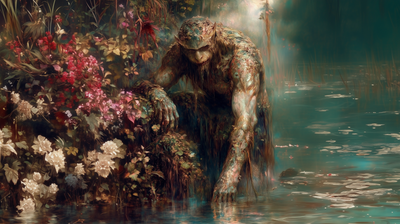
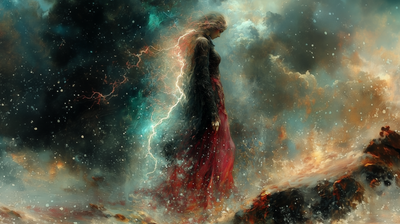
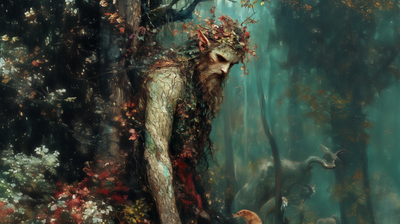
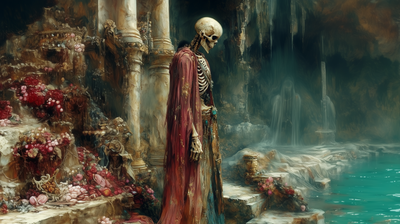
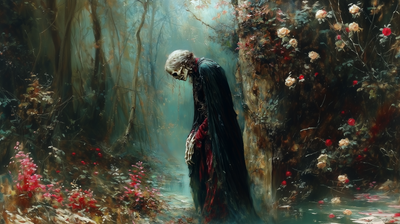
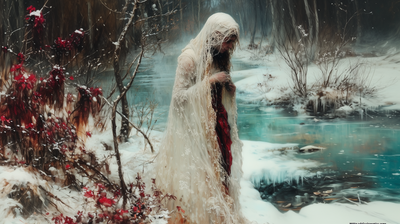
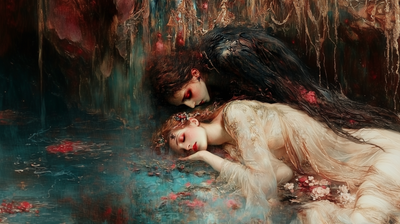
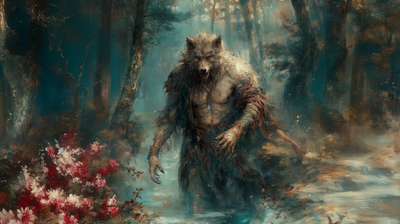
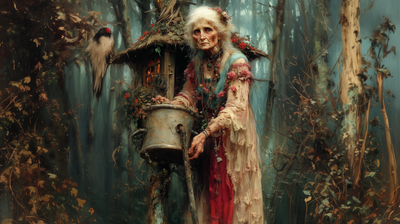
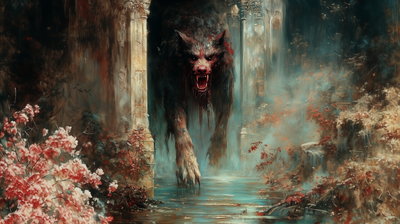
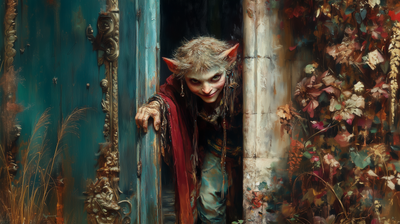
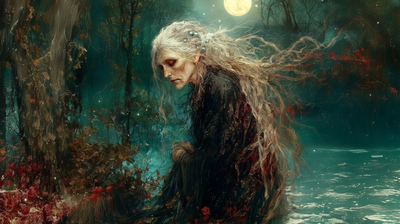
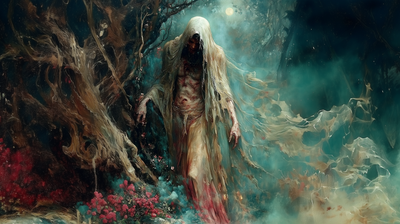
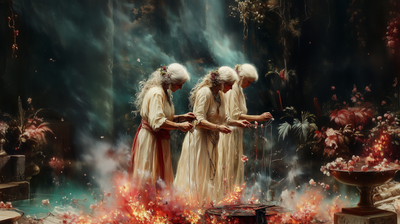
Nav (or Navi) is an entity from Slavic folklore representing the spirits of the dead or the souls of the deceased. The term "Nav" is used to refer both to the Afterlife and the malevolent spirits that wander the world of the living. These spirits are often associated with premature or violent death, and they sometimes appear to torment the living. The Navs are particularly active during seasonal transitions, such as in winter or spring, especially during pagan festivals like the Kupala Night, where rituals are performed to appease the souls.
Navs are also described as the souls of unbaptized persons, such as children or those who died suddenly. They are often seen as dangerous spirits that should be avoided or exorcised through religious or pagan rituals.
Nav Correspondences Table
| Stones | Obsidian, onyx |
| Colors | Black, dark gray |
| Plants | Sage, yew |
| Signs | Scorpio, Capricorn |
| Planet | Saturn (symbol of death and spirits) |
| Offerings | Candles, bread, ashes |
Symbols and Appearances
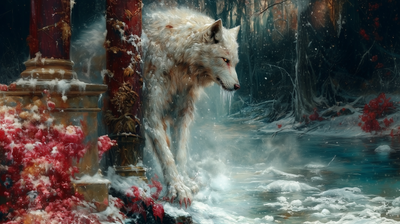
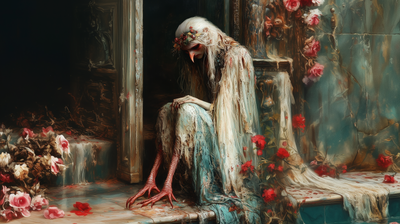
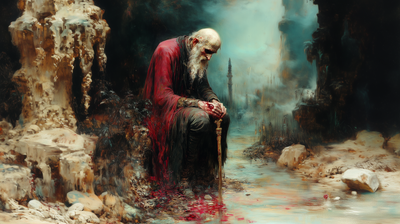
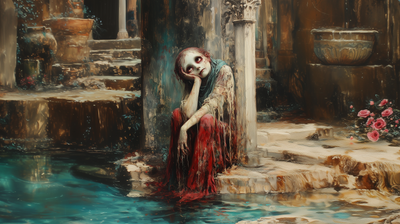
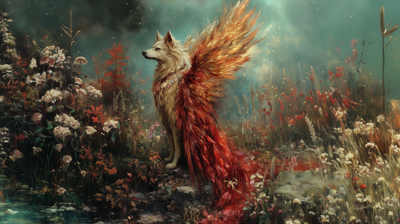
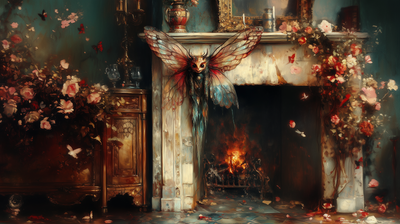
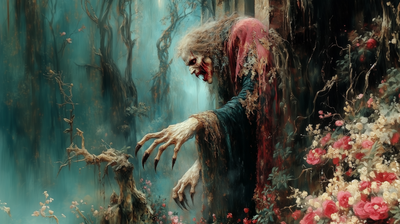
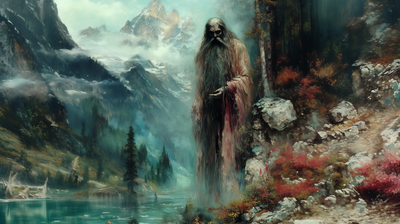
Navs are often depicted as blurred shadows, invisible spirits, or demonic creatures. They are associated with places of death and intersections between the world of the living and the dead, such as cemeteries or rivers. Navs are frequently invoked in witchcraft stories and incantations related to death.
Nav Genealogy
The concept of Nav is linked to Slavic pagan beliefs and is often associated with other deities and spirits of the Afterlife, such as Veles, the god of the dead and the Afterlife. Navs do not have their own genealogy, but they play an essential role in the cycle of life and death in Slavic cosmology, marking the passage between the world of the living and that of the dead.